September 07, 2014

A September bucket of plenty

bucket

The colors of September are vibrant and full of life. I feel blessed at this time of year as I harvest buckets of plenty--flowers from the garden for fresh floral bouquets.

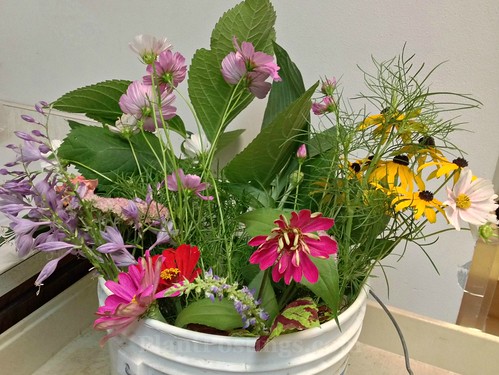
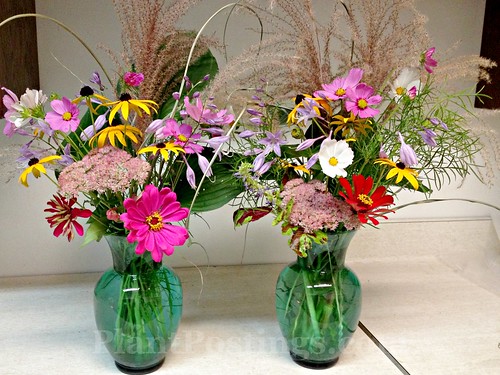
I was on flower duty at church this weekend, which gave me an opportunity to share some of the bounty with others. I collected Hosta flowers and foliage, Zinnias, Cosmos, Black-Eyed Susans, Coleus flowers and foliage, Hydrangea foliage, and Sedums.

But I still needed a statement bloom with a little more drama.

sunflowers

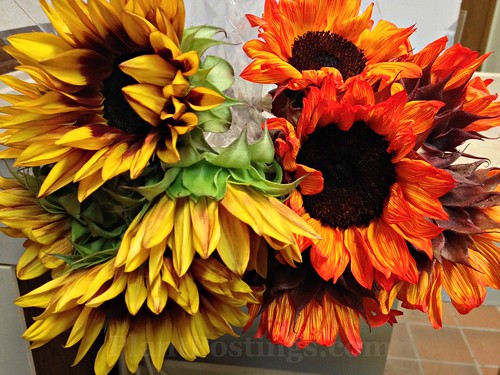
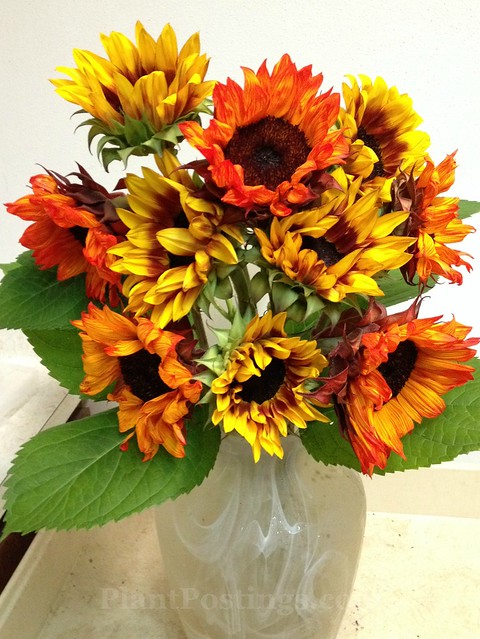
Voila! I noticed Sunflowers at my local grocer: At $5 per five-pack, I couldn't resist!

We're fortunate at our church to have a workroom in the back for decorations and floral arranging. It's not the best staging environment for photography, but it's certainly bright enough to show you how everything came together.

vases

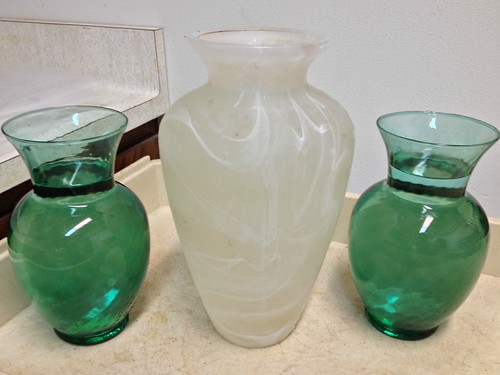
First, I picked a large vase for the center statement bouquet, and two smaller complimentary vases.

pair

The flowers from my garden came together in two accent bouquets. Simple, but colorful and graceful.

center

I thought it would be fun and whimsical to combine the sun-loving, drought-tolerant Sunflowers with a large branch of moisture-craving Hydrangea foliage. But something was still missing...

center fluff

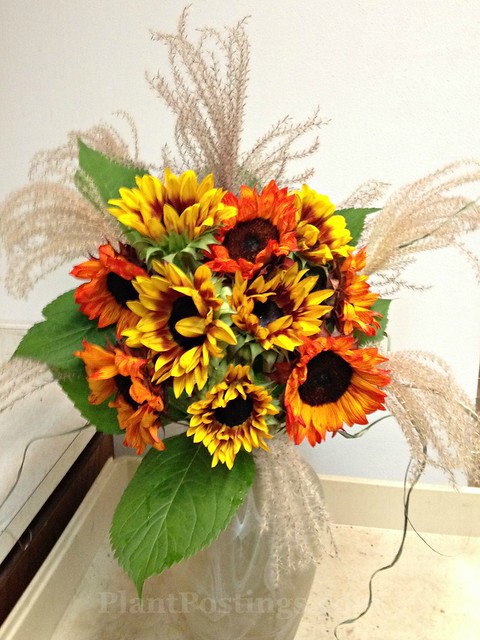
Fortunately, fellow floral arrangers had saved some dried accent elements in the workroom. I added some to the Sunflower bouquet, which gave it a fuller, transitional, summer-to-fall kind of look.

Again, very simple, but it worked for this purpose. Frankly, the flowers--in all their beauty--do most of the work for me. All it takes is a little imagination.

Arranging flowers and other garden elements is one of my favorite things to do during the fall. I'm linking this post to three memes: In a Vase on Monday, Seasonal Celebrations, and Dear Friend and Gardener. Check out these great memes for September garden inspiration!

~ ~ ~ ~ ~ ~ ~ ~ ~ ~ ~ ~

Coming soon: The Garden Lessons Learned and Seasonal Celebrations wrap-ups. Donna and I would be pleased to have you join us! Please share a post, or your thoughts, about lessons from the past season and how you enjoy celebrating the next season. Many people cover both in the same post. To join in, click here to leave a comment with a link to your post. We'll share the wrap-ups at the equinox. Cheers!

September 01, 2014

Garden Lessons Learned: Summer 2014

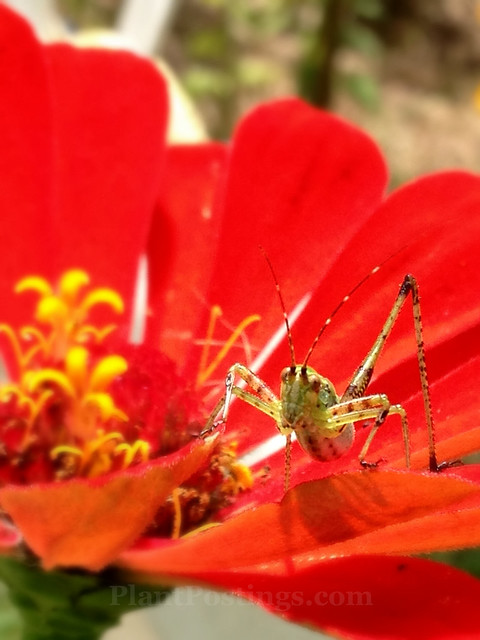
zinnia

As one season transitions to another, it's time to share "lessons learned" during the past season with gardeners around the world. There's something encouraging in knowing that, as those of us in the Northern Hemisphere head toward the colder months, those in the Southern Hemisphere face the renewal of spring and summer.

No matter where you garden, I hope this past season was good for you! Please join in the "Lessons Learned" meme, if you're so inclined, by writing a post or sharing a previously written post about things you've learned during the past three months.
hyacinthbean2

As always, I learned many things this summer in my USDA zone 5 garden in Southern Wisconsin. Some are facts that were totally new to me. Others were things I'd heard about but never experienced firsthand. Here are a few of my lessons:

Didn't know:
oriole feeder

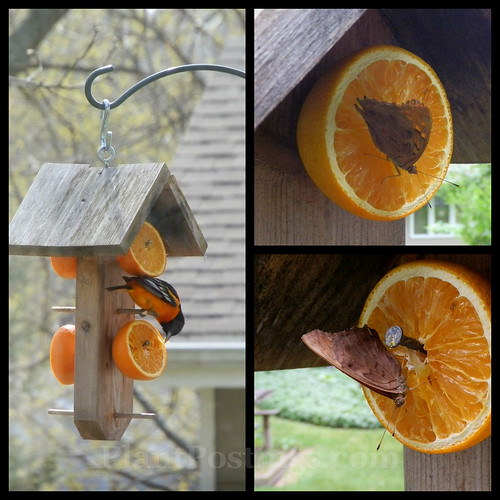
Oriole feeders aren't just for orioles. They also attract finches, woodpeckers, hummingbirds, and butterflies. I saw all of them at the oranges this summer. I didn't capture photos of every one, but that gives me another goal for the months ahead. I never expected that diversity of life at a simple, but beautiful, wooden feeder with oranges!
giant

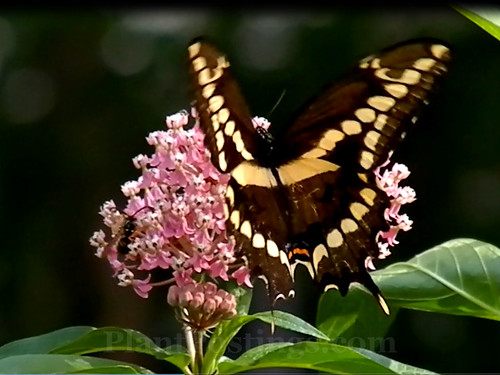
Giant Swallowtail butterflies are attracted to Swamp Milkweed (Asclepias incarnata). I saw my first Giant Swallowtail, ever, this summer. At least I don't recall ever seeing one before. They're huge--with a wingspan of five to seven inches! We had Giant Swallowtail visitors several times this summer. And when the Swamp Milkweed was in bloom, they went directly to it, spending several minutes nectaring on its flowers. (By the way, hummingbirds, bees, moths--and of course Monarch butterflies, for which it's a larval host--among other pollinators, also love this plant.)
aster

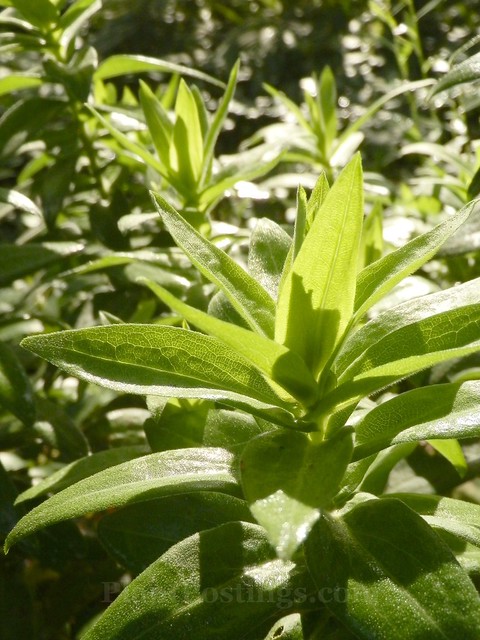
Some Asters grow well in dappled shade. I planted 'Vibrant Dome' Asters in my garden last fall in two spots--both of which are quite shady. The Asters performed well this summer and are about to bloom. That part of the garden must receive just enough sun to keep them healthy and coax a few blooms.

Wasn't sure:
hyacinthbean

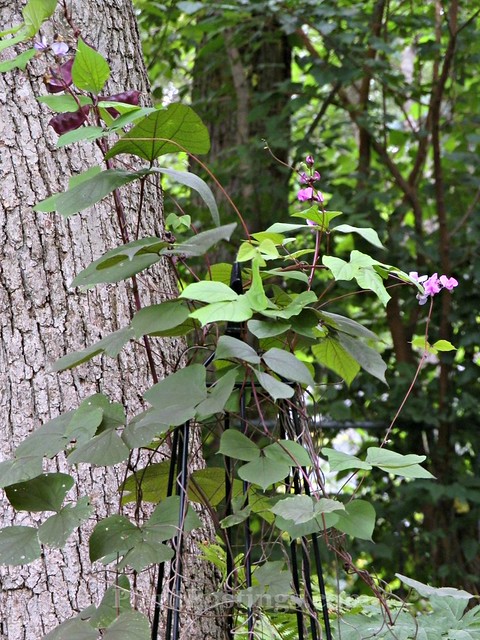
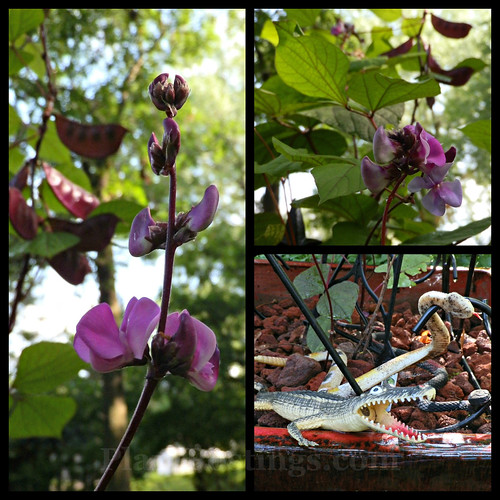
If rabbits chew off your Hyacinth Bean vine at the base, quickly stick the hanging stem back in the soil and water it liberally. Add some hot pepper flakes and rattling toys around the base (or whatever rabbit-deterrent works for you). If you're lucky, the vine will regrow roots and live to thrive for the rest of the season. (Of course, you can avoid all of this by only planting Hyacinth Bean in a protected area with plenty of chicken wire fencing. I temporarily forgot about my rabbit problem. Duh. Oh well ... it worked out OK.)
hostabumble

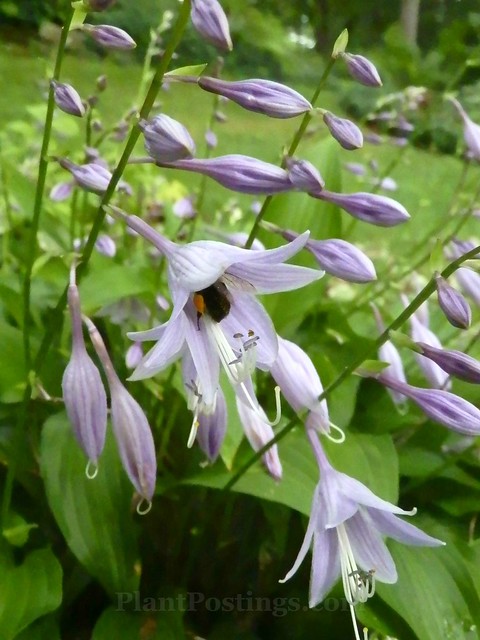
Our Hostas that usually bloom near the equinox are blooming earlier this year. In my post about them three years ago, they were blooming in late September. This year, they started blooming in late August. I tried to identify them in that previous post, but I'm not sure I have the species (H. aequinoctiiantha?) correct. In any case, the bumbles love them no matter when they bloom.

Heard about, but hadn't experienced firsthand until this summer:
lemon

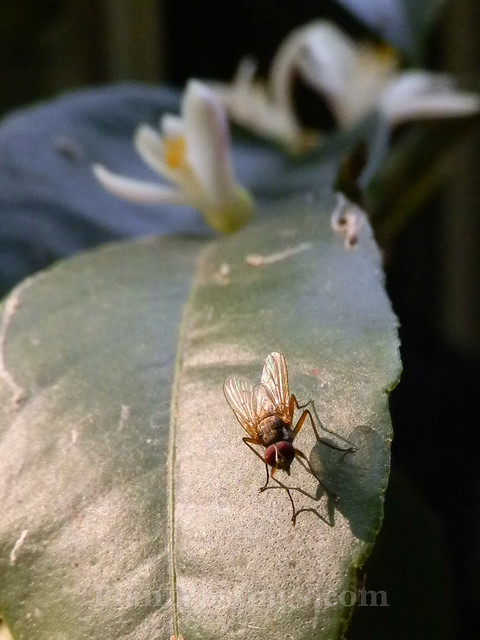
Pollinators of all types do a much better job of pollinating a Meyer Lemon than I'll ever do with a tiny brush or a cotton swab. They crawl in and out and all around the blooms. Because of their excellent work, it looks promising that we'll have Lemons into the winter months.
monarch cat

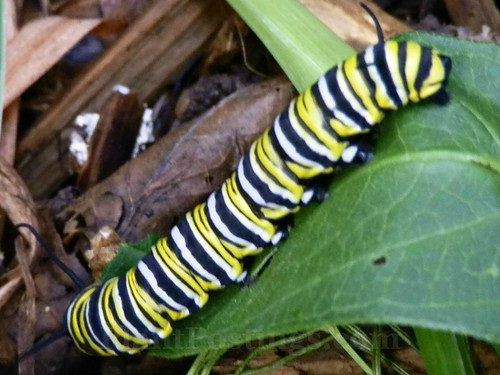
Fifth instar Monarch caterpillars eat loads of Milkweed! I'd heard it said that feeding them live plants at this stage is like feeding a cow to a pond of piranhas! While that might be a slight exaggeration, they really do chow down fast on the last few days before they crawl off to form a chrysalis. I hadn't actively fed a caterpillar since I was a kid, but this year one found a home in a safe spot near the house. Long story, which I hope to share in a later post.

Those are just a few of the things I learned this season. How about you?

Feel free to add a link to your blog in your comment on this post. Please also join Donna at Gardens Eye View for the Seasonal Celebrations meme. Posts that cover both memes offer a chance to reflect on the past season and look ahead to the next, at the same time. Both memes will be active until the equinox, when we'll post the wrap-ups. Happy autumn (or spring to those in the Southern Hemisphere)!

~ ~ ~ ~ ~ ~ ~ ~ ~ ~ ~ ~ 

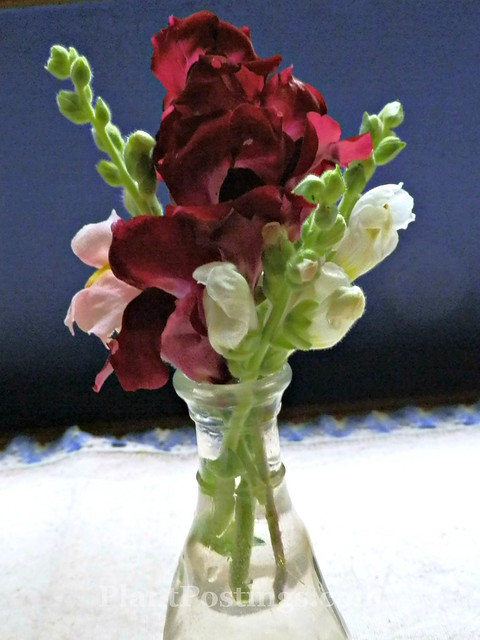
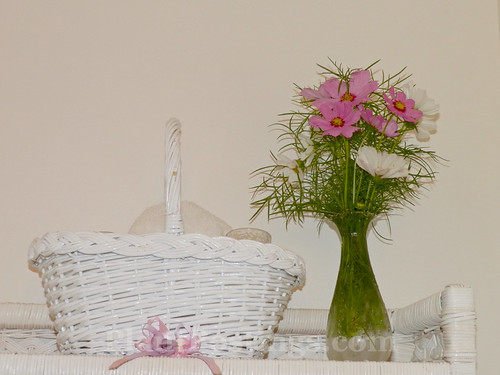
Also, for the first time, I'm linking in with Cathy's fabulous "In a Vase on Monday" meme, over at Rambling in the Garden. I've been meaning to join in for some time now, but the past several weeks have been hectic. It's a wonderful meme, and I hope to post more arrangements in the weeks ahead. For my first entry, in the spirit of the American Labor Day holiday, I selected two types of flowers that require very little labor. All you have to do is plop them in a vase:
cosmos
Cosmos (C. bipinnatus 'Versailles Mix')

snapdragons
Snapdragons (Antirrhinum majus 'Rocket Mix')

August 27, 2014

Celebrating Spotted Jewelweed on
Wildflower Wednesday

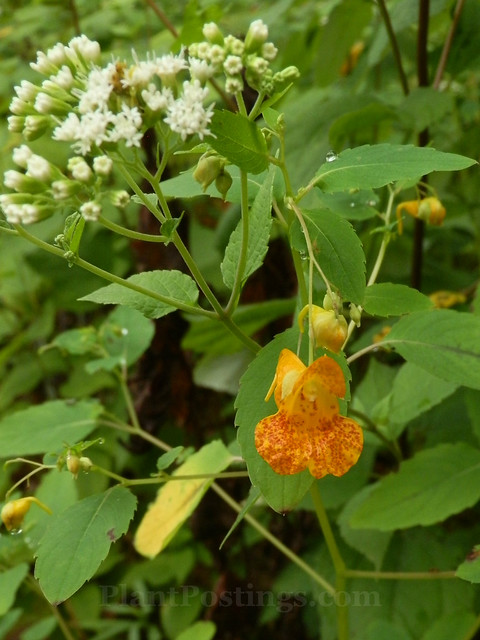
jewelweed

It's Wildflower Wednesday--the fourth Wednesday of the month--when gardeners around the world share information about some of their favorite wildflowers.

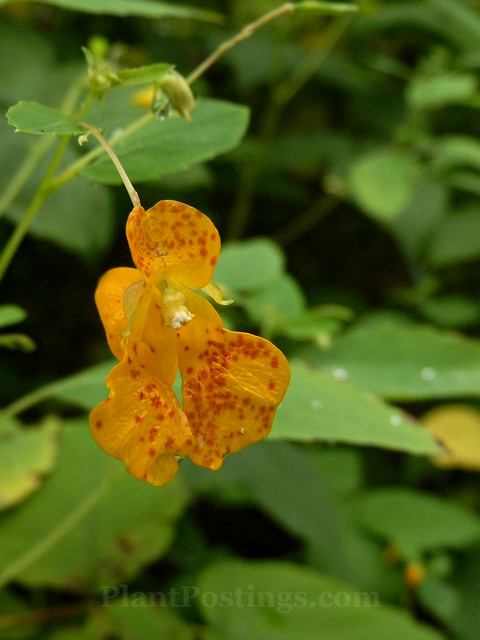
This month, my pick is Spotted Jewelweed (Impatiens capensis), also nicknamed Spotted Touch-Me-Not.

It's a tall (four feet), watery plant with delicate, one-inch flowers dressed in orange with red spots. Jewelweed is native to most of the Canadian provinces and the United States, except in the Southwest and some of the mountain states.

with snakeroot

It's naturalized in several areas up at our cottage, including a section facing north near the road, alongside Snakeroot (Ageratina altissima).

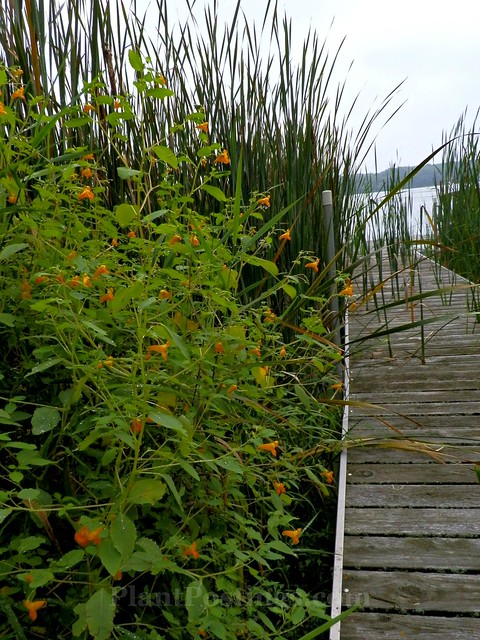
by dock

And an area facing south but blocked by tall Cattails (Typha spp.). In the past, the fishman knocked the plants back by the shore, but this year we decided to let them have their way (obviously, we need to trim the Cattails growing through the dock boards).

My last post was about a plant that prefers dry, sunny conditions, while this one prefers wet, shady conditions. But honestly, they've both naturalized in sandy soil and dappled sun, so the only real difference is the moisture level.

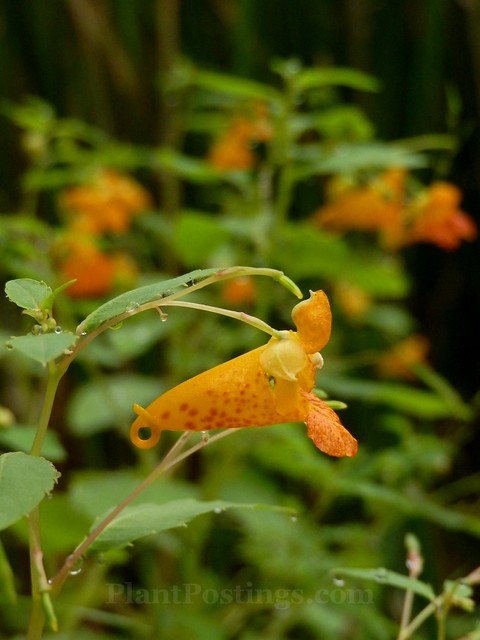
trumpet

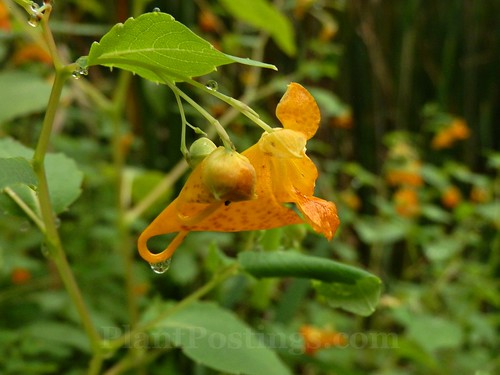
The flower of Spotted Jewelweed has a trumpet shape, with a curly tail at the base. A sack within the flower contains a fungicide that is said to soothe Poison Ivy (I've never had it after numerous encounters, so I've never tried this).

This wildflower, though native to our area, can be aggressive under the right conditions, so we'll keep it in check. This link includes some fun stories about Jewelweeds at The Eloise Butler Wildflower Garden in Minneapolis.

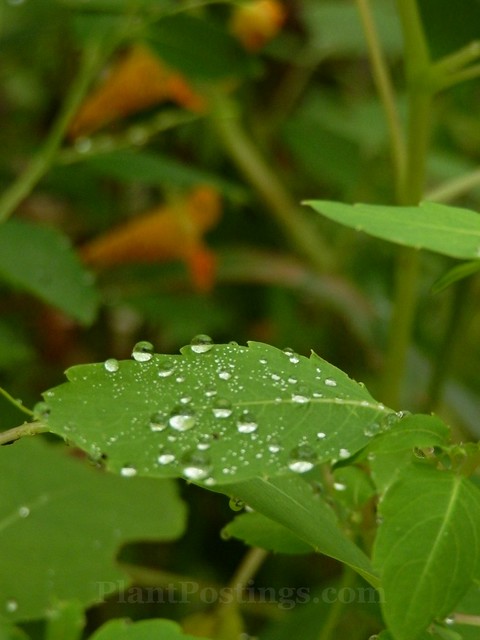
jewels

Here you see the reason for the name Jewelweed.

bumble

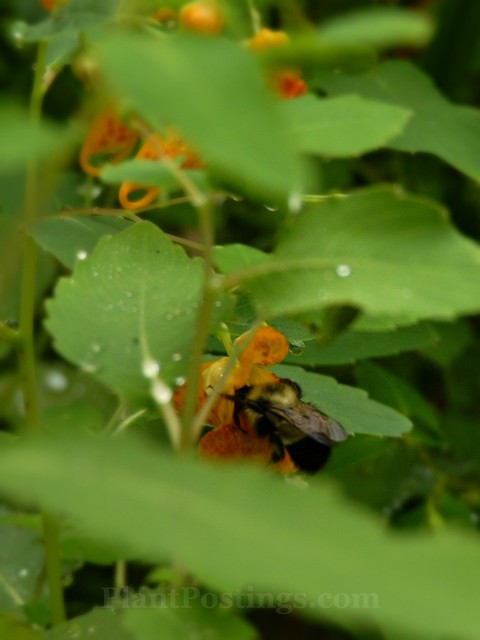
While I was watching, several bumbles crawled deeply into the flowers for pollen and nectar. They fit perfectly in the trumpet. Apparently, Hummingbirds often visit Spotted Jewelweed, too, and they prefer it over the Yellow Jewelweed (Impatiens pallida). I didn't see any hummingbirds on the Jewelweed during our last visit, but I can see why they would like it.

stages

This photo shows the various stages of the flower and seeds--from small pale buds to bright orange flowers to developing seedpods.

The behavior of the seedpods is the source of the plants' other nickname: Touch-Me-Not. If you brush against them or touch them, when fully ripe, they explode--spewing their seeds an impressive distance (several feet).

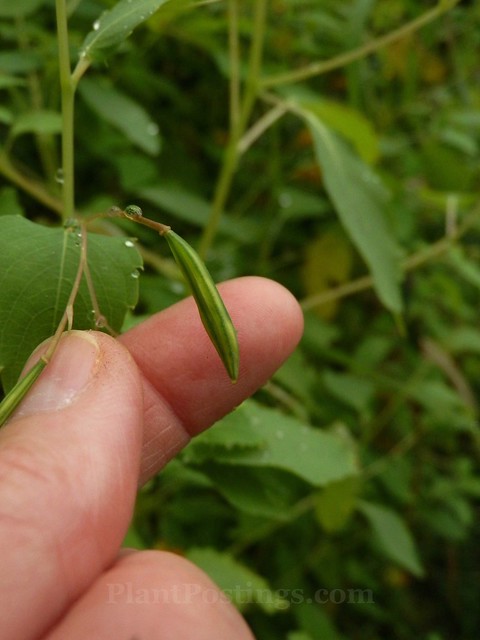
seedpod

This seedpod isn't ripe, but pinching it will show how the pod curls back, releasing the seeds.

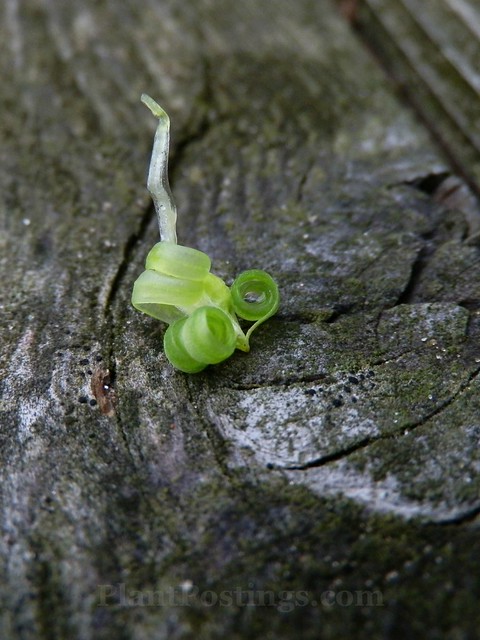
curled pod

Here's the curled seedpod after the experiment.

I tried to load a video showing this explosive action, so we shall see if it works:


There you have it: Spotted Touch-Me-Not, aka Spotted Jewelweed. I'm linking in with Gail's Wildflower Wednesday over at Clay and Limestone. Head on over to her blog to learn about wildflowers from around the world.

Next up: my "Garden Lessons Learned" for the summer of 2014. What have you learned this season (summer, for those in the Northern Hemisphere; winter for those in the Southern Hemisphere)? I hope you'll join in!

August 24, 2014

Plant of the Month: Purple Love Grass

eragrostis

I'm starting to appreciate grasses more. I think this new appreciation started at Kew Gardens in London (you can click the link to read a previous post about it). Scott Weber's blog at Rhone Street Gardens also provides continuous inspiration regarding the beauty and creative uses of grasses in a garden setting.

cloud1
Lovely view we happened upon during a hike earlier this summer.

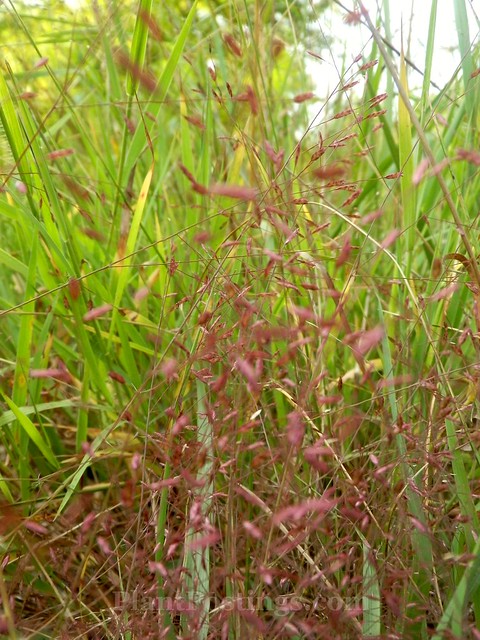
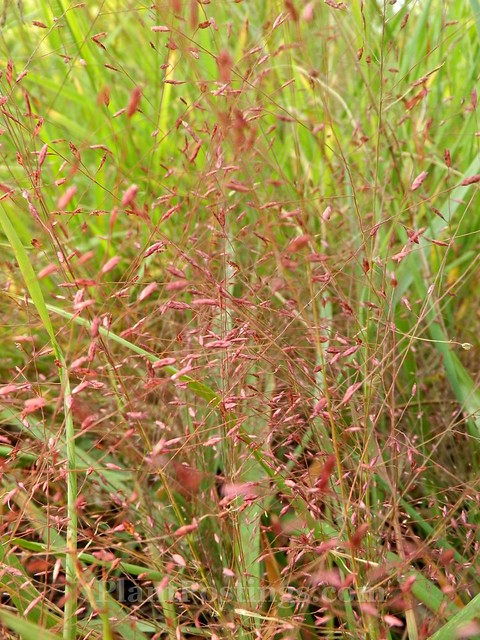
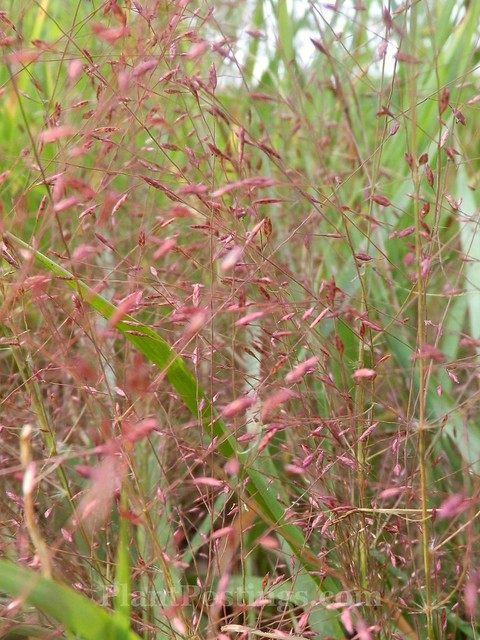
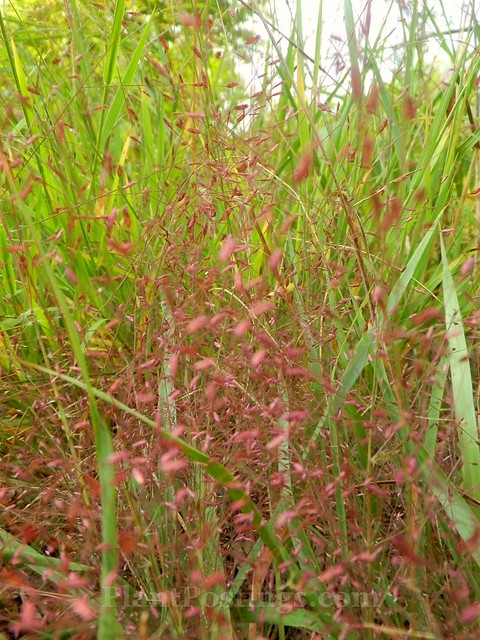
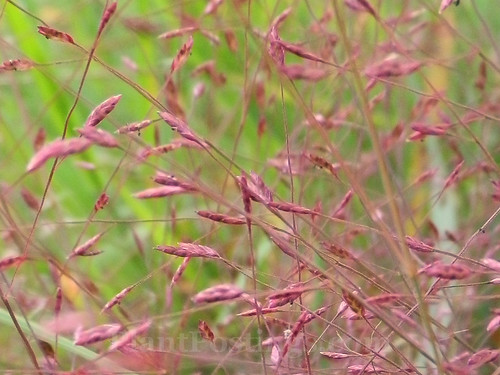
One of my favorite native, local grasses is Purple Love Grass (Erogrostis spectabilis). (Isn't that a great Latin name?)

era4

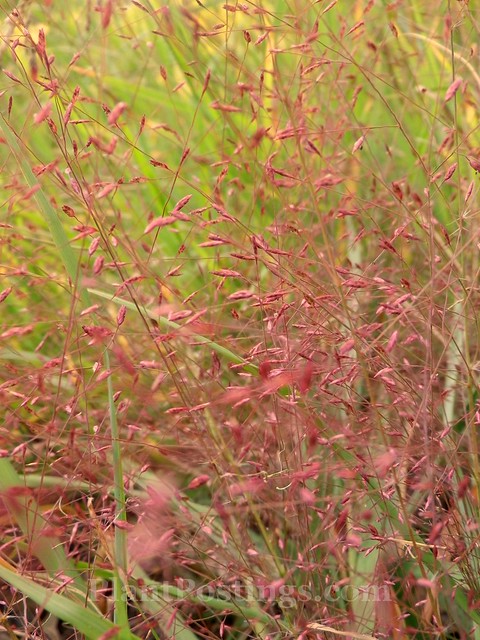
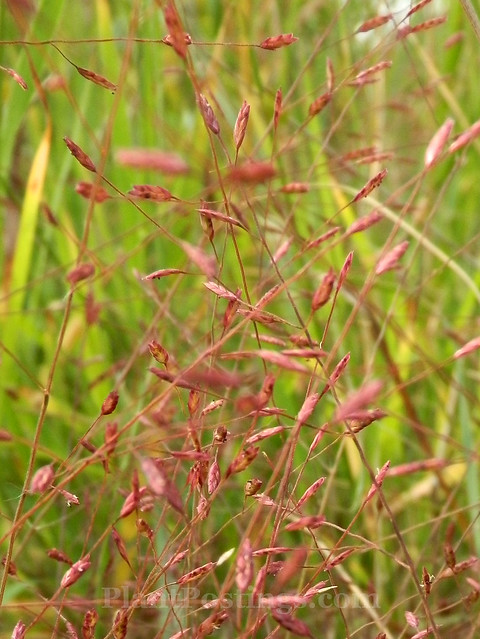
When oblique late-summer light hits it just right, Purple Love Grass is a stunning sight to behold.

cloud2
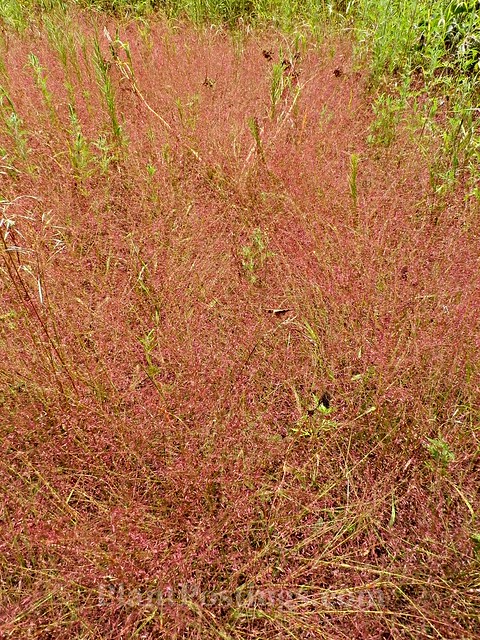
Bright pink cloud.

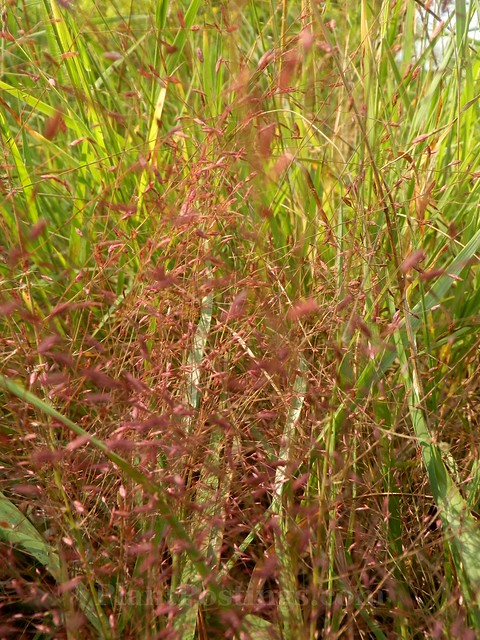
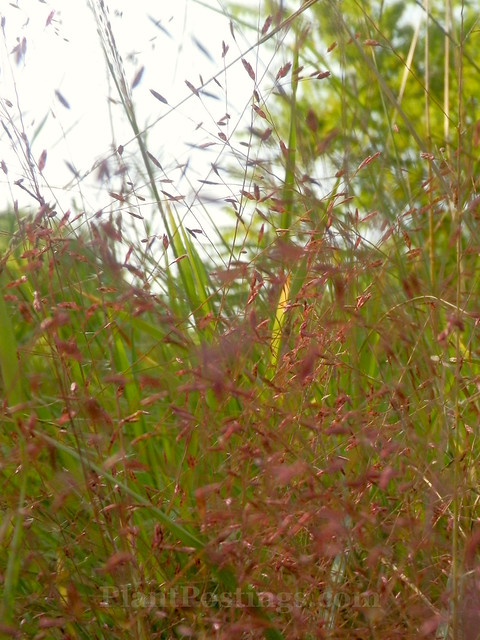
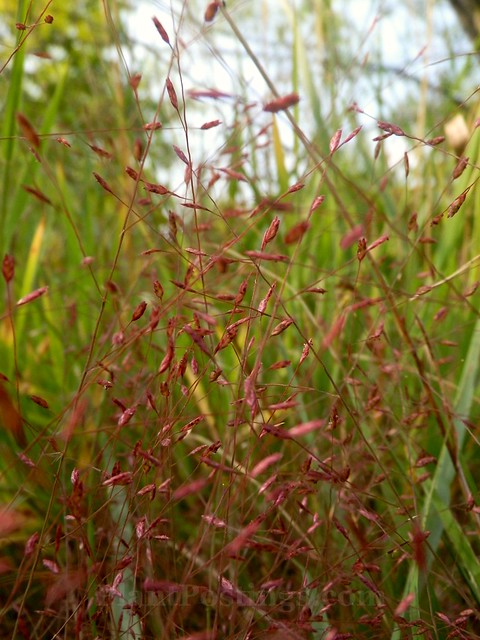
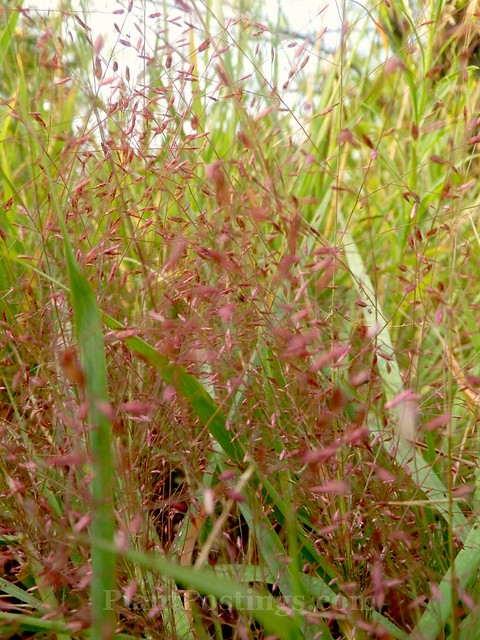
Depending on its stage during the growing season and the way the light hits it, tufts of this grass appear bright green, purple, pink, or bright pink.

meadow
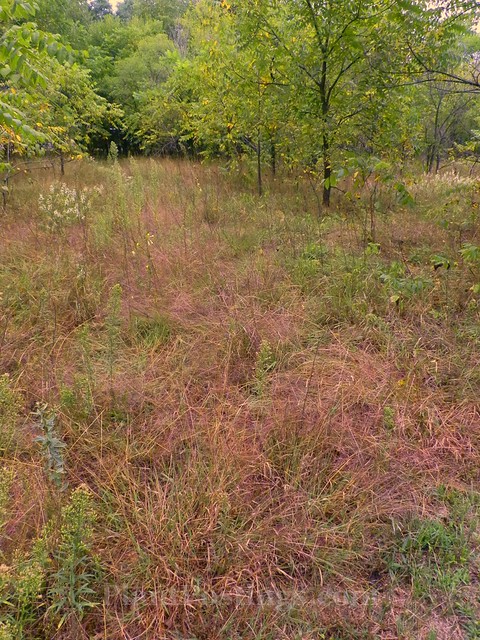
Our meadow: E. spectabilis starting to brown, but still lovely.

Interestingly, we have a naturally occurring patch of it up at the cottage. It stretches through our property, between the properties of the neighbors on both sides. They were friends--two couples who've since moved away and/or moved on. But the Purple Love Grass remains. Isn't that sweet?

The neighbors had asked if we minded if they walked through our property to visit each other, and we said "No problem, feel free!" I'm glad, because this beautiful grass, along with a collection of mostly native perennials has created a lovely meadow where their path once traveled.

Purple Love Grass is native to much of the Eastern U.S.--from the Dakotas and points east, south to Arizona, Texas, and Florida. It's also native in parts of Mexico, according to the Missouri Botanical Garden. It prefers sandy or well-drained soil, with dry to medium precipitation. It grows best in sunny locations. It tolerates drought and Black Walnut trees (which we have in abundance at the cottage).

The foliage reaches a height of about 10 inches. Then, in late summer pinkish/purple flowers appear, and form a cloud of beauty up to a height of about two feet.

Another attribute--Purple Love Grass is photogenic:

era1

era2

era3

era5

era6

era8

era10

era9

era11

pink cloud