If the Royal Botanic Gardens, Kew, London, is on your bucket list and you've never visited before, that's good news and bad news.
The good news: It's well worth the trip and the visit.
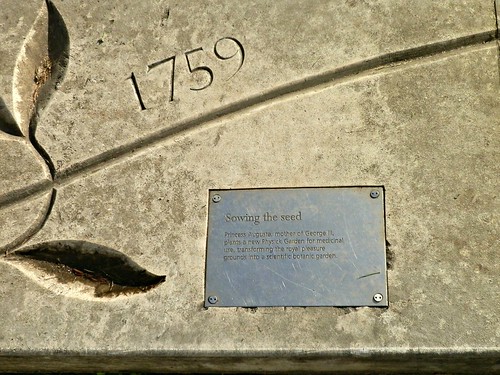
The bad news? You won't have enough time to see it all. A person could visit Kew every day for a year and still find something new. Covering 132 hectares (326 acres), Kew's beginnings as a botanical garden date to 1759, when Princess Augusta, mother of King George III, started developing a small (3.6 hectares) scientific botanic garden. In 2003, Kew Gardens was put on the Unesco World Heritage list.
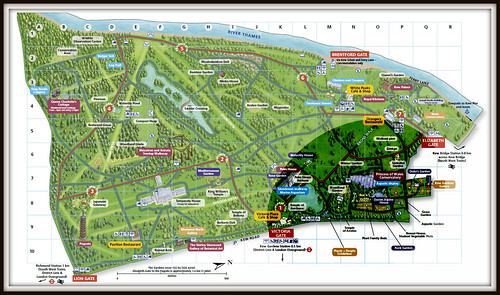
When my family traveled to London last October to visit my daughter who was studying there, Kew was definitely one of the highlights. But we had only a few hours for the tour. Consequently, we saw just one tiny corner of the botanic garden (roughly emphasized in the lower right, northeast, corner of the map above). Now, of course, I must go back someday!
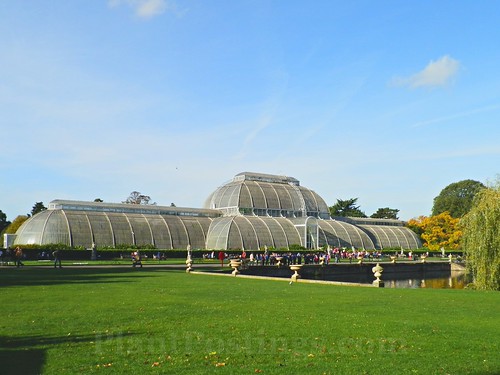
We lucked out the day of our visit--the sky was partly cloudy, with enough sun to keep us warm, but not too much brightness to wash out the color. We entered the gardens at the Victoria Gate, and one of the first things we saw was the Palm House across from the Palm House Pond--a remnant of Kew's original lake.
I knew Kew was big, and I knew we had limited time. And because it was such a lovely day, we headed toward the northeast corner--my guess for areas of particular personal interest.
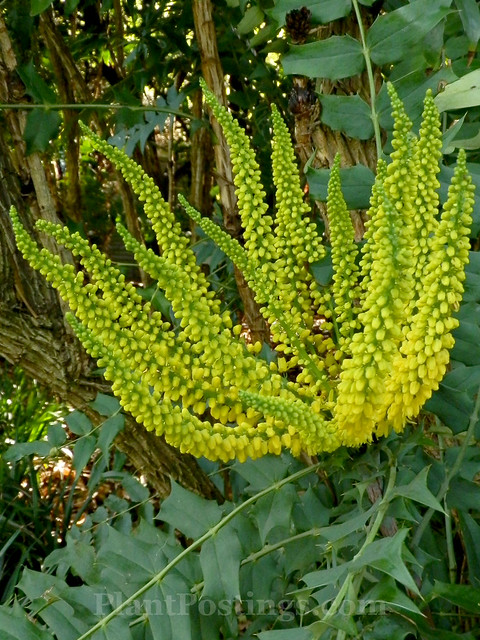
One of the first plants that caught my eye was this lovely specimen Mahonia plant. I believe it was a hybrid (Mahonia x media).
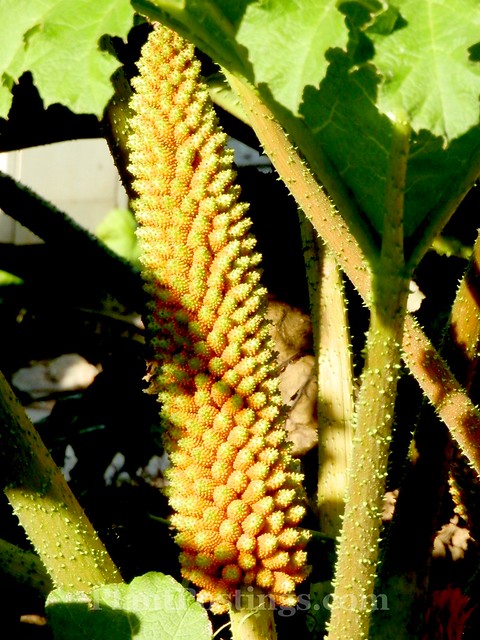
Nearby was a dramatic patch of Chile Rhubarb (Gunnera manicata).
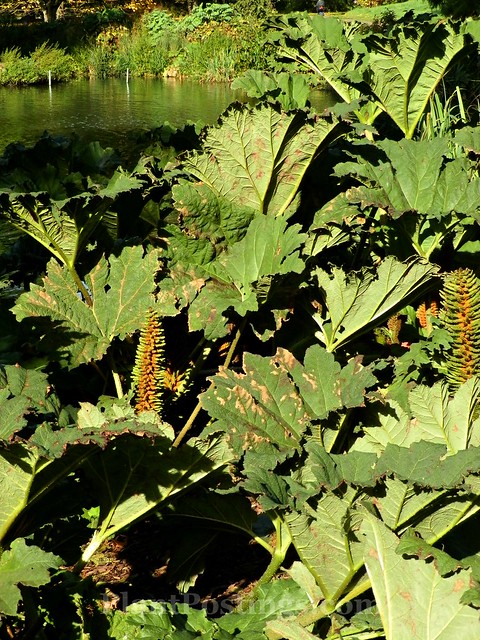
Although not at its peak, I'm showing this rambling photo so you can see how large the foliage was and how large the patch of Gunnera. It was a commanding presence at the shore of the pond.
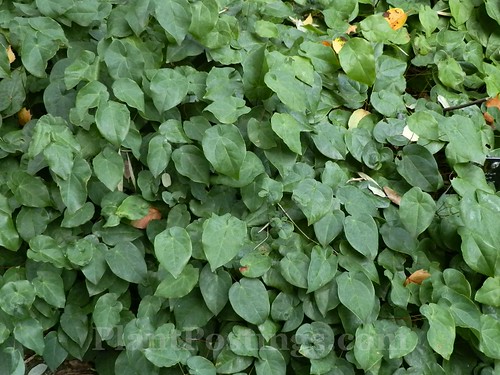
From the Palm House Pond, we headed toward the Woodland Garden. Barrenworts (Epimedium spp.) of various species lined the path, providing plentiful groundcover throughout the wooded sections of Kew.
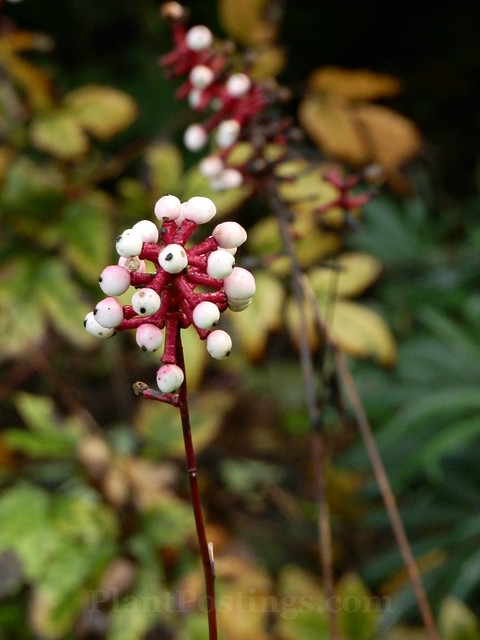
In the Woodland Garden, I was surprised to see many North American native plants I was familiar with, among other plants of interest. One example was White Baneberry (Actaea alba).
Other woodland plants included:
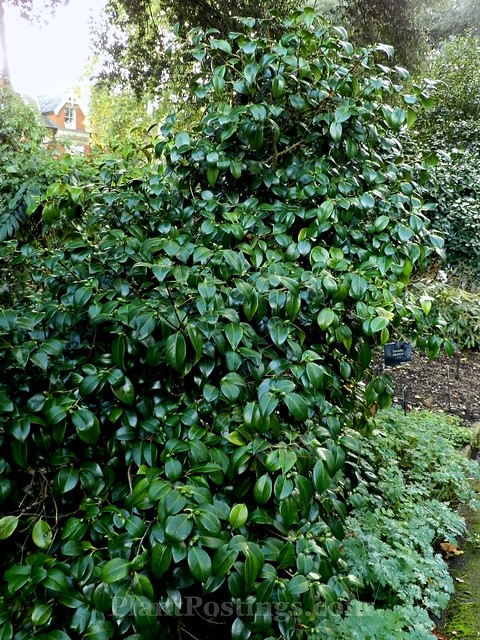
Large hedgerows of Camellias (C. japonica);
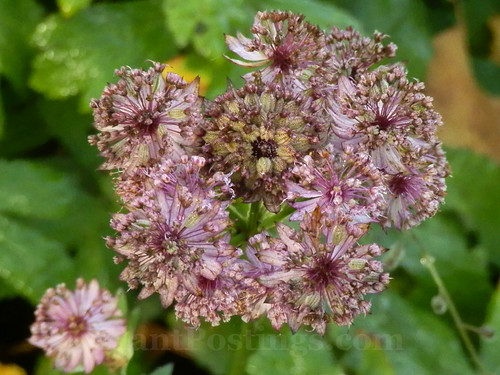
Masterwort (Astrantia major 'Rubra');
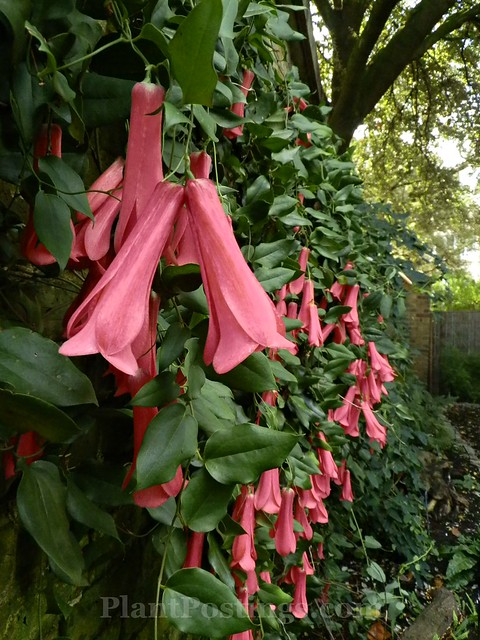
And a lovely wall lined with Chilean Bell Flowers (Lapageria rosea).
Somewhere between the woodland garden and the plant family beds, were assorted other curious and beautiful plants, including:
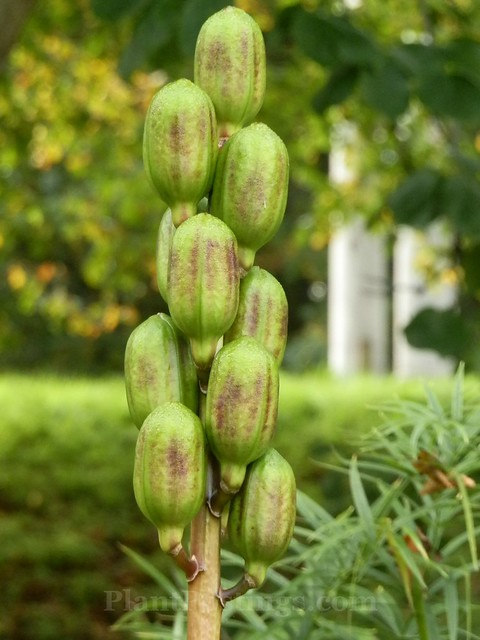
Giant Lilies (Cardiocrinum giganteum var. yunnanense) which had formed commanding seedheads;
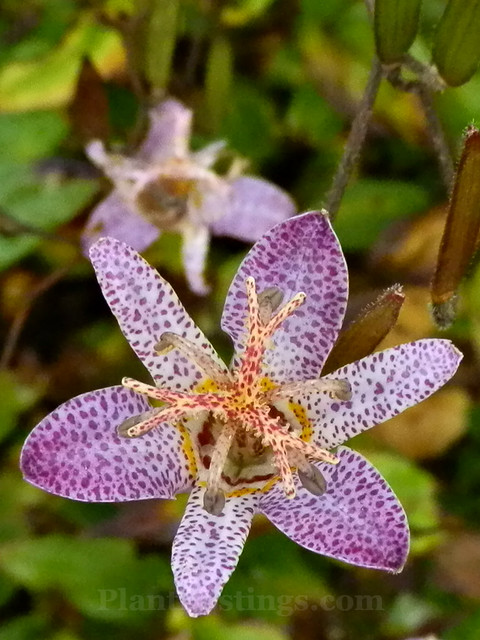
Toad Lilies (Tricyrtis formosana);
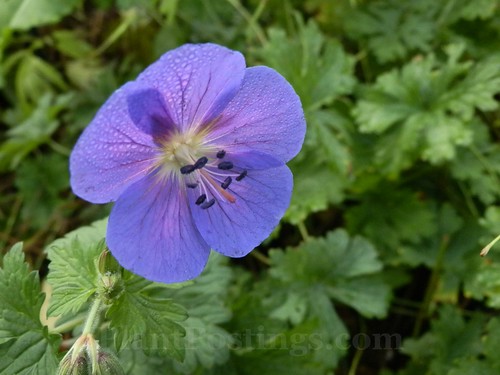
Various Geraniums, including this stunning beauty from the Himalayas (Geranium himalayense);
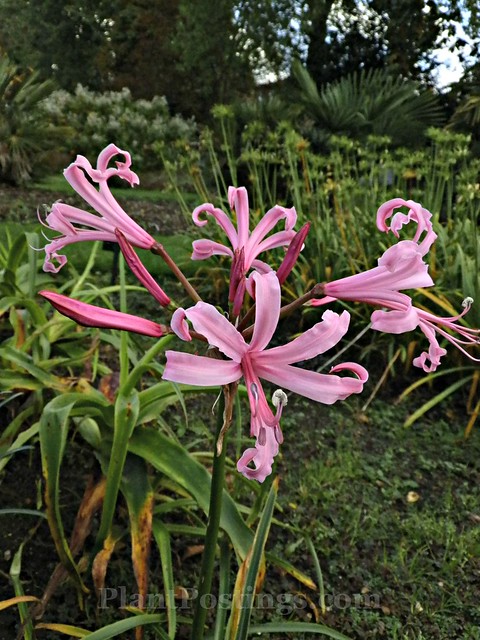
And Cape Lilies (Nerine bowdenii 'Mark Fenwick').

Throughout Kew, there were numerous statuaries, including this bronze of a young farmer, titled, "Out in the Fields."
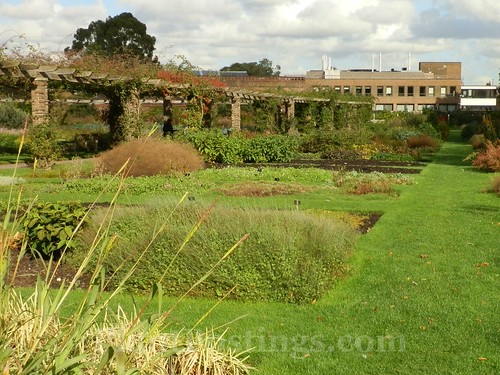
A particularly fascinating section of Kew, for me, was the Plant Family Beds--originally a kitchen garden that supplied produce for the royals. Today, the plants in this section are grouped together in families, with information about those families, and genuses and species. It's a botanist's paradise. I could have spend the entire day (or more) in this section, alone.
Just a small sampling of the huge selection of plants here:
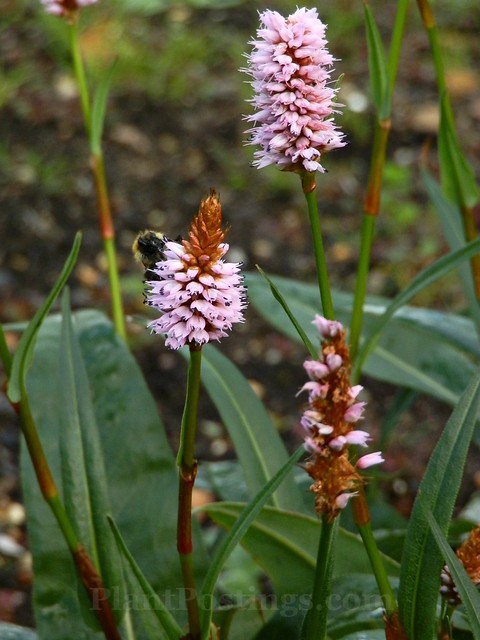
Knotgrass (Polygonum coriaceum);
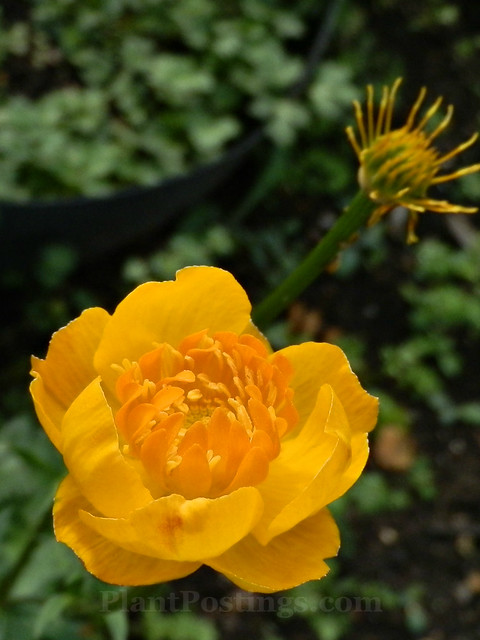
And 'Orange Crest' Trollius (T. X cultorum).
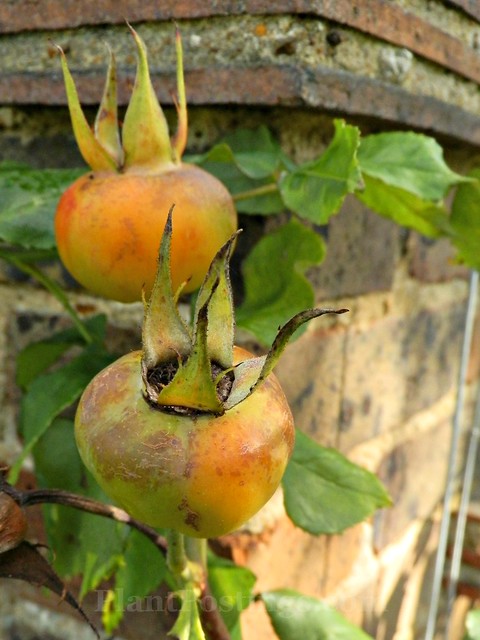
Down the middle of the Plant Family Beds was the Rose Pergola--which I can only imagine must be stunning in late spring and summer. It was lovely in autumn, too, and I saw some of the largest Rose hips I've ever seen. I may be exaggerating, but I remember these being the size of small apples--like two inches in diameter. I believe this particular Rose was 'Paul's Lemon Pillar,' if my photo records are correct.
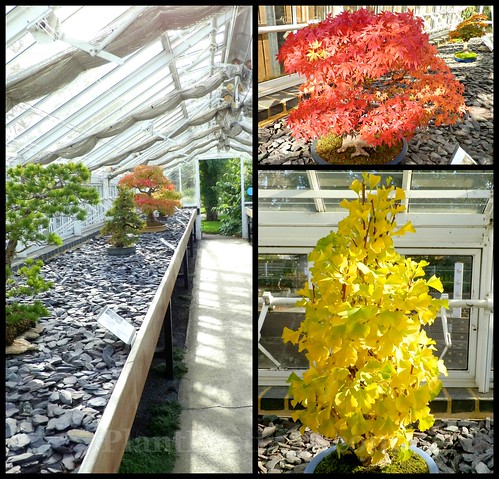
Next, we travelled through the Bonsai House. It always amazes me to see common trees I'm familiar with grown as miniatures in such an artful way.
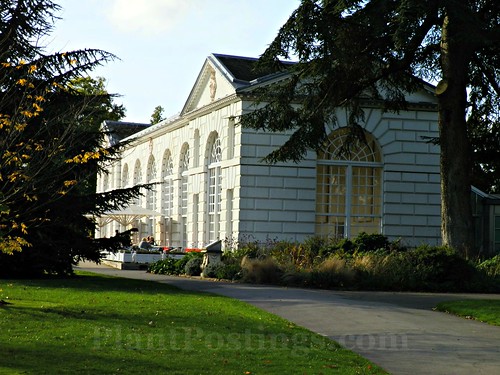
We decided to eat lunch at the Orangery Restaurant, which turned out to be an excellent choice. The food was fresh, delicious, and reasonably priced. Plus, the building, constructed in 1761, previously was actually a hothouse for growing citrus plants. As a restaurant, it was a bright, cheerful, light-filled refreshment stop, with great views out onto the gardens.
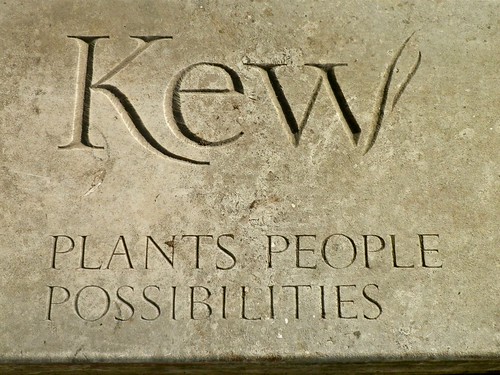
Outside the Orangery we saw the timeline showing key highlights of Kew's history, including this sign and the stone shown at the beginning of this post, among others.
Along the paths between the Orangery and surrounding garden areas were unique tree species, including:
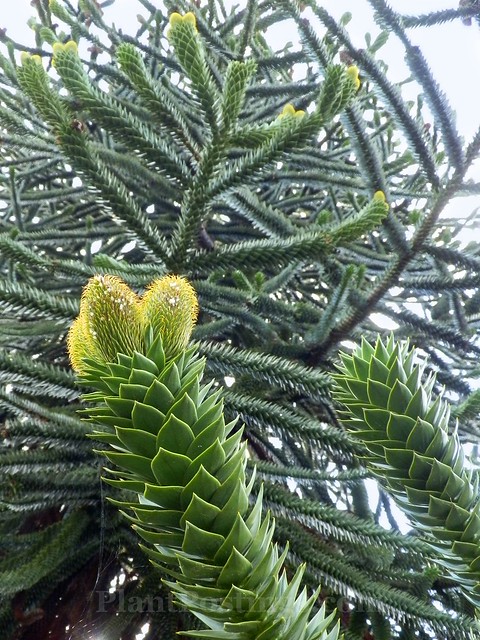
The Monkey Puzzle tree (Araucaria araucana);
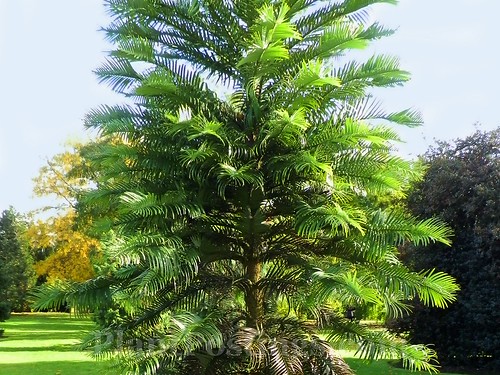
And this Wollemi Pine (Wollemia nobilis), planted by Prince Philip to commemorate Kew's 250th anniversary in 2009.
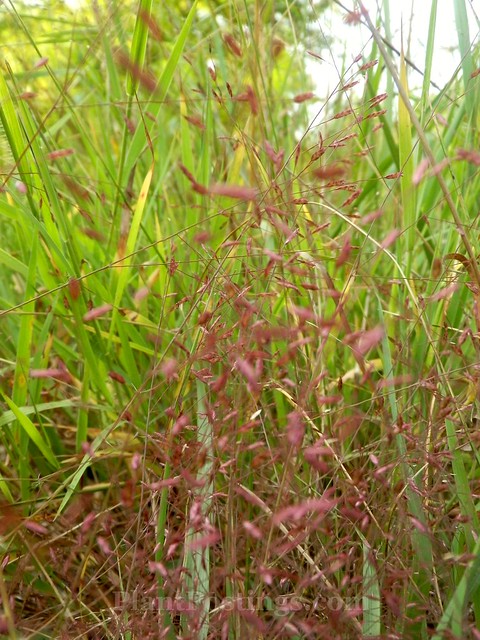
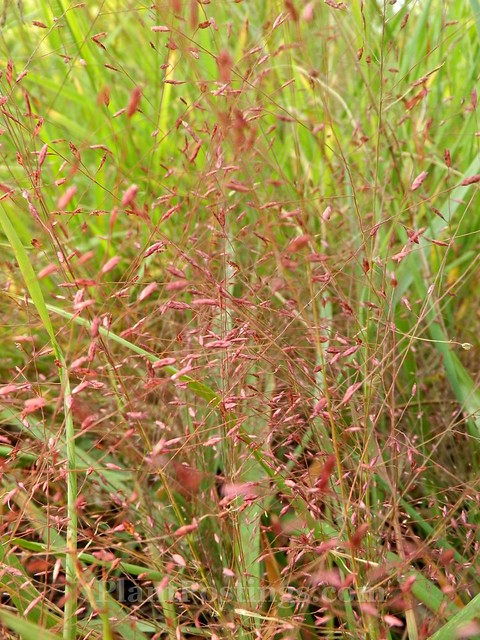
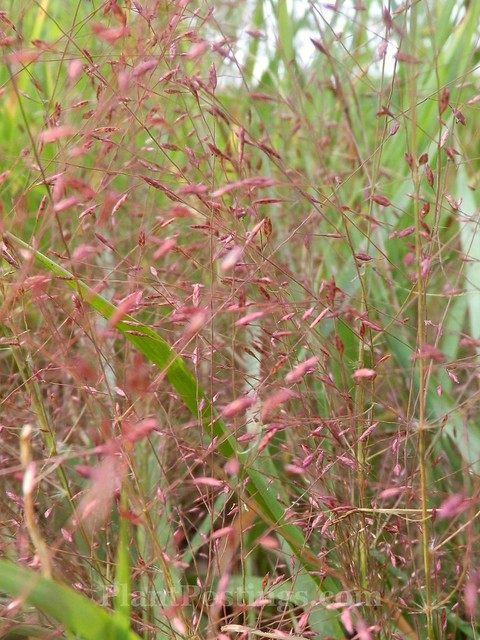
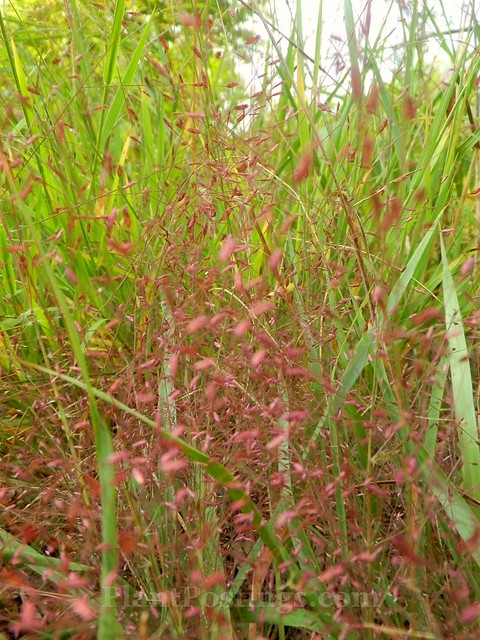
After lunch, we spent some time in the Grass Garden, which I profiled shortly after our trip last year. (You can click on the link for that post.)
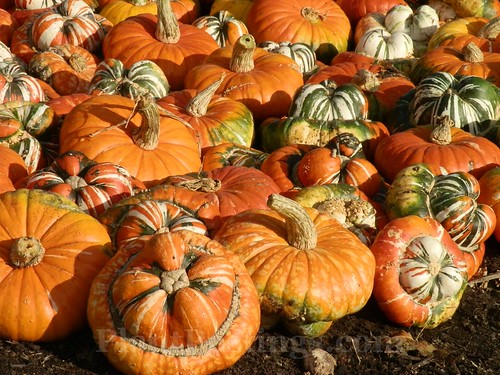
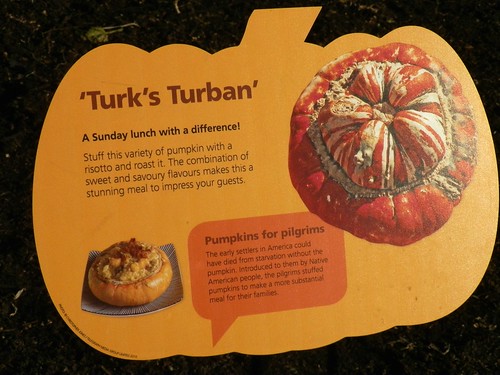
It was fun to see seasonal produce that had grown at Kew on display, with educational information for children and adults. The theme last fall was "IncrEdibles: A Voyage Through Autumn's Edible Delights."
We finished out the day winding through the Secluded Garden, the Duke's Garden, and other sections on our way back to the Victoria gate to catch The Tube back to our hotel. Here are a few of the lovelies that greeted us:
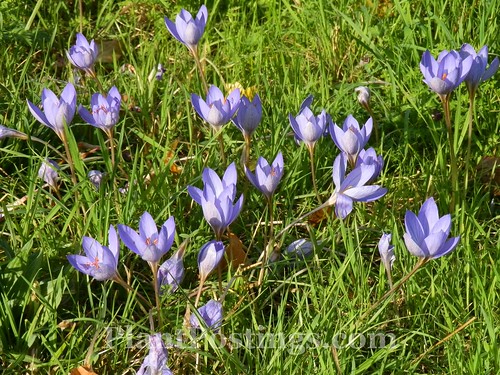
Autumn Crocuses (Colchicum spp.);
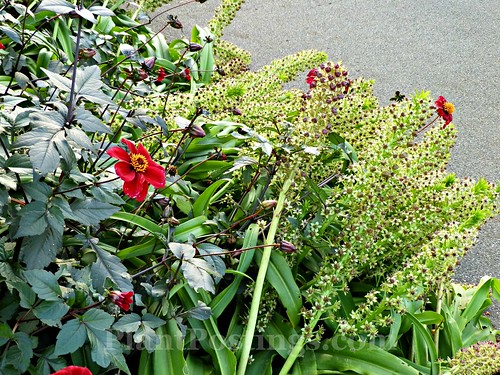
A lovely combination of Dahlias (hybrid unknown) and Pineapple Lilies (Eucomis comosa);
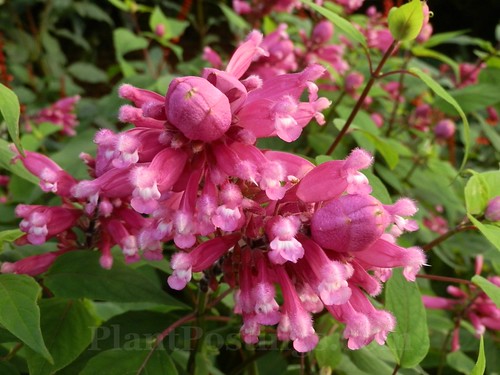
Rose Leaf Sage (Salvia infolucrata 'Bethellii'), which I seem to remember being popular with the pollinators;
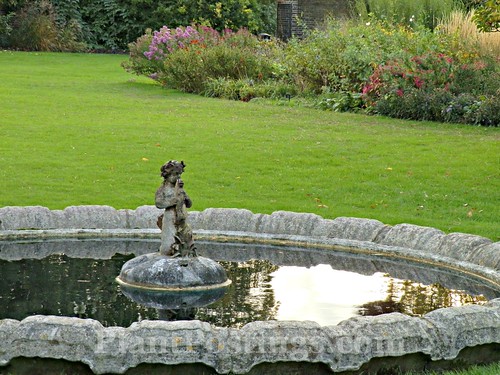
A beautiful little statuary in a pond;
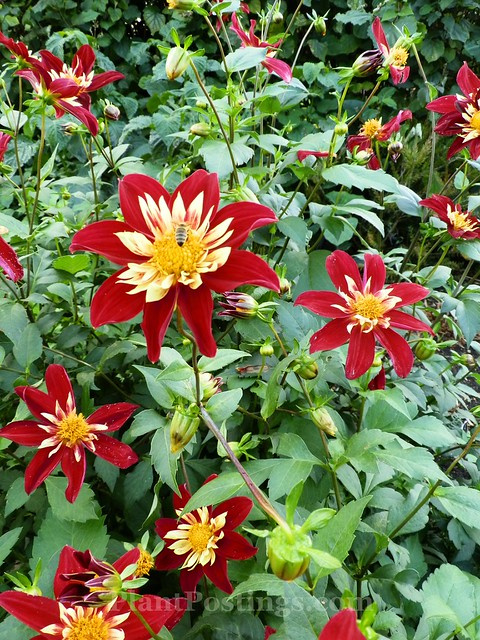
More incredibly vibrant hybrid Dahlias;
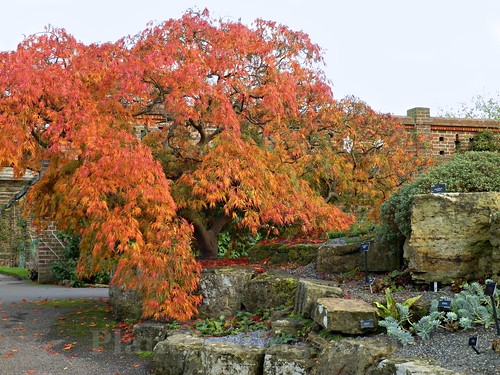
A majestic Japanese Maple (Acer palmitum) at peak color;
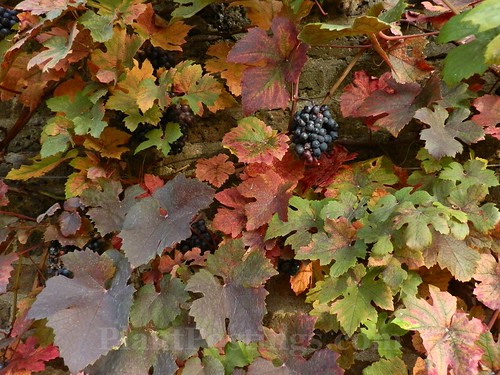
And a stunning wall of grapevines that looked luscious and tasty (we did not sample them, but they looked fabulous).
I didn't post about this visit until now for various reasons. But the timing seems right for the season. Looking back at these photos has me nostalgic: I do hope I can get back to Kew at some point.