Showing posts with label hummingbirds. Show all posts

September 12, 2026

Hummingbird Haunts

branch

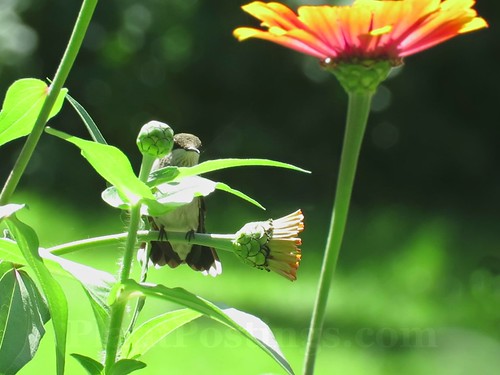
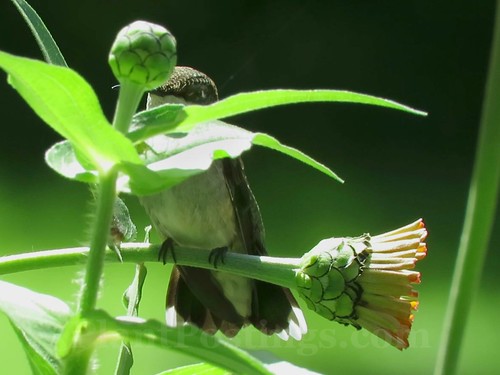
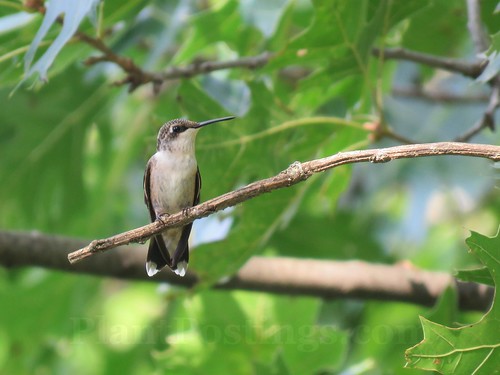
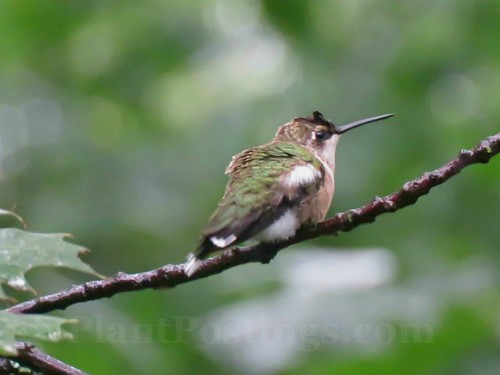
Ruby-throated hummingbirds are still hanging around these parts, but not for long. A few males still migrate through, but most visitors are now females and juveniles. A couple of days ago, I decided to take a break--to observe them and photograph them before they're gone.

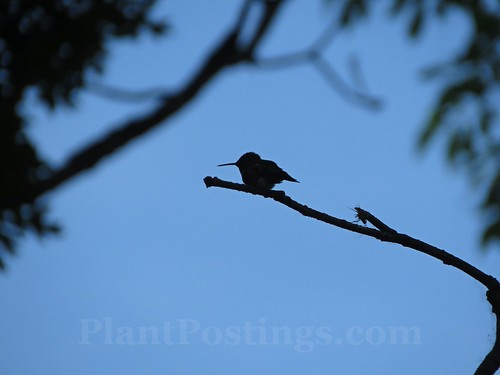
I was having trouble capturing them on their favorite plants. The little guy pictured above had a favorite branch throughout the summer, but he's gone...

feeder

And, of course, they're not shy about flying down right next to me to sip from the feeders. But what about their favorite plants--places where I've seen them nectaring many times?

Fuchsia 'Marinka'
1. Fuchsia 'Marinka'

For example, for many years I've had Fuchsias in hanging baskets around the house. The hummers frequently flutter around them and sip from the bottoms of the flowers.

Hosta aequinoctiiantha
2. Hosta aequinoctiiantha

They also seem to enjoy these late-blooming Hostas, which I believe are Hosta of the Equinox (H. aequinoctiiantha)--currently at peak bloom. While I've previously seen hummers loving on them, this time when I sat down to try to capture them with the camera...no luck.

Lablab purpureus
3. Lablab purpureus

Same with Hyacinth Bean Vine (Lablab purpureus). The hummers were flitting around it on the garden obelisk, but by the time I had my camera ready, they were gone.

Zinnia elegans
4. Zinnia elegans

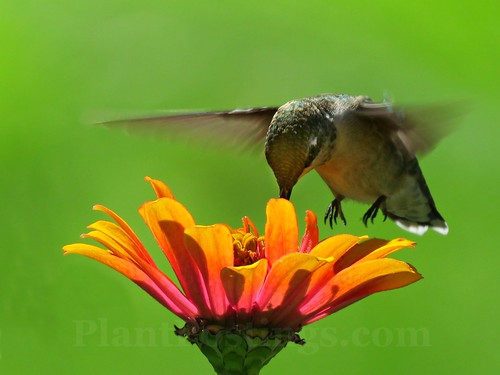
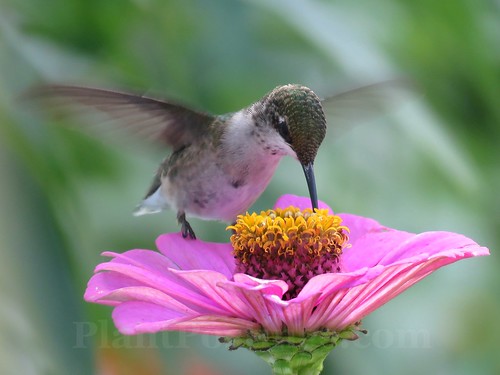
Surely during my little visit they would stop and rest while sipping nectar from this beautiful Zinnia? Not this time.

Salvia
5. Salvia (unknown annual cultivar)

OK, for some reason they regularly buzz around this measly remains of an unknown, overwintered, potted Salvia. I'd even thought about pulling it until I saw the hummers on it. No luck with photographing them here either.

Tithonia rotundifolia 'Goldfinger'
6. Tithonia rotundifolia 'Goldfinger'

Finally, the Mexican Sunflowers (Tithonia rotundifolia) apparently were irresistible...

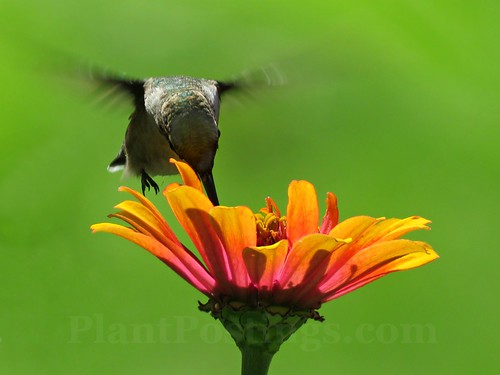
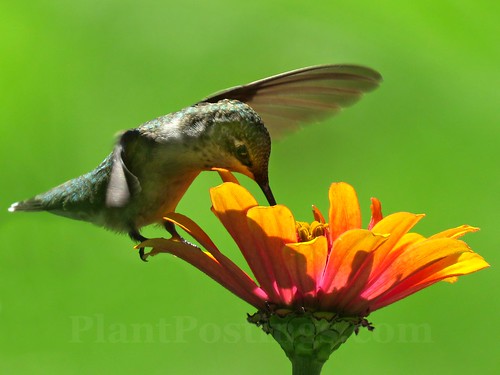
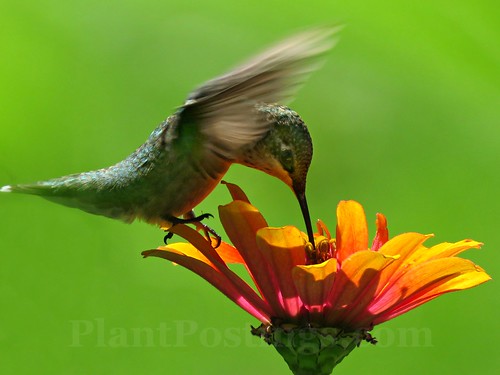
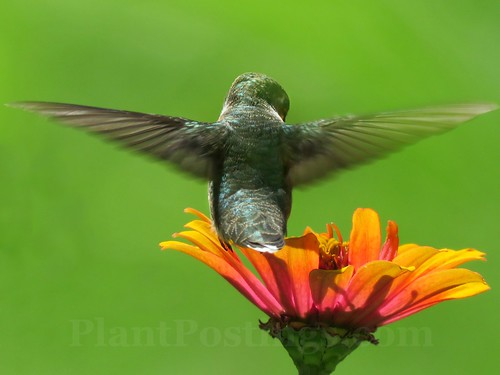
hummer 1

hummer 2

Aha, there you are! The garden is always a happy place when hummingbirds live here. I'm trying to savor them until we part again for many months.

It's "Six on Saturday." Check out the meme at Garden Ruminations. If you're so inclined, join in with six of your own recent garden observations!

August 30, 2025

Six Favorite Hummingbird Flowers

hummer 3

Recently, as I watched a sweet little hummingbird swoop from flower to flower, I thought about the amazing little creatures' favorite blooms, and the ones I'd actually seen them enjoying.

Jewelweed

One flower that specific little hummer was nectaring on was Jewelweed (Impatiens capensis), which is very high in sugar content. Known to be one of the birds' favorites, Jewelweed is an annual that re-seeds itself and tends to have good years and "meh" years here. This was a good summer for this plant because we had plentiful warmth and rain.

Hyacinth Bean

Another plant I saw that particular bird visiting was Hyacinth Bean vine (Lablab purpurea). It's not hardy in my climate--the seeds or the plant--so each fall, I collect the seeds from the pods and replant them in the spring.

Tithonia

Mexican Sunflowers (Tithonia rotundifolia), including 'Goldfinger' shown here, are bright orange-red, which hummingbirds are known to notice. The little buddy in the first photo in this post, from a few years ago, was perched on a patch of Tithonias.

Cosmos

In prior years, I've also seen hummingbirds enjoying Cosmos (C. bipinnatus). And I can see why: They're certainly inviting little beauties with a platform for landing.

Fuchsia

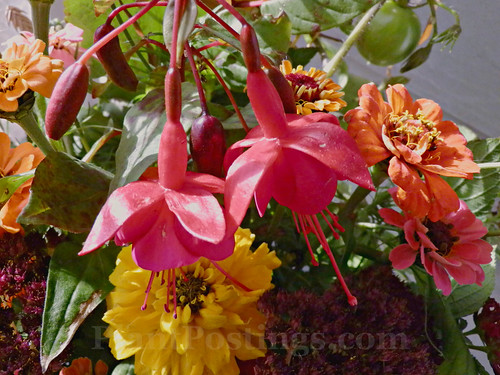
Fuchsia 'Marinka' has been a standby in my garden for decades, and I've overwintered two baskets of it in the sunroom for many years. I've enjoyed watching hummers nectaring up through the centers of the flowers, like poetry in motion.

Zinnia

Finally, Zinnias, like Cosmos, offer the little friends perching places and plenty of real estate with rich nectar. To see a previous post with hummingbirds enjoying Zinnias, visit this link.

The hummingbirds will soon be gone, and I will miss them. Their migration activity has been particularly busy the past couple of weeks. I noticed today there are fewer of them visiting. :(

It's "Six on Saturday"! Check out other "sixes" from around the world over at Garden Ruminations. Thanks to Jim for hosting!

June 26, 2023

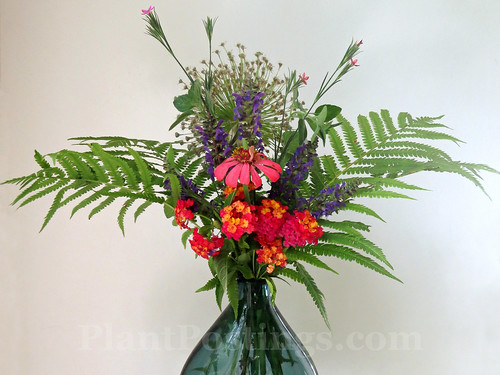
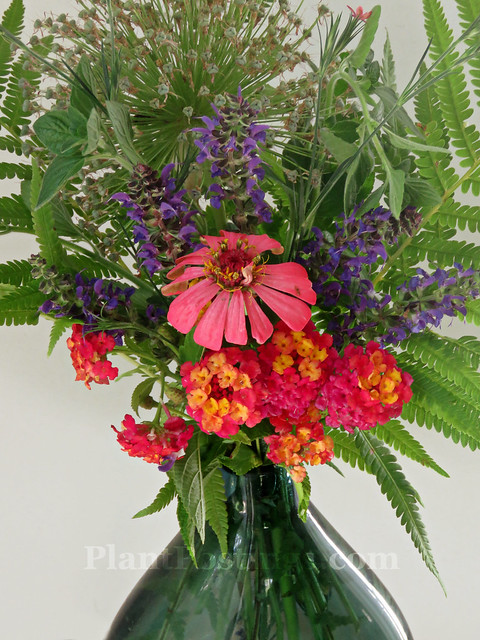
A Simple Vase to Celebrate Summer

vase 1

The garden is full of blooming beauties, especially after recent rains. We didn't get enough rain to break the drought, but it helps.

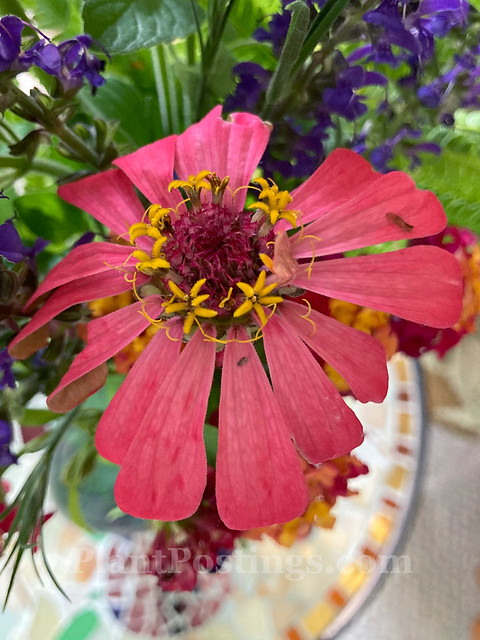
At the time I prepared this vase, the first Zinnia (Z. elegans 'State Fair Mix') of the season had bloomed. I had to celebrate it...and the beginning of true summer...with a simple arrangement. 

state fair mix

While I don't have a true "favorite" in the garden, Zinnias are among my favorite summer-blooming cut flowers. I grow them from seeds started indoors in late winter/early spring. And once blooming, they continue to provide endless flowers with repeated cuttings until the first hard freeze. Hummingbirds and other pollinators love them, and so do I.

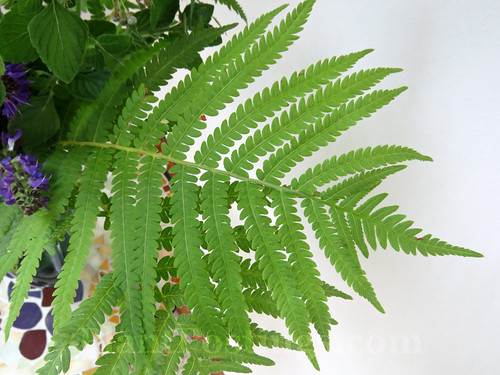
ostrich fern

Also, in the simple arrangement: Fiddlehead Ferns (Matteuccia struthiopteris) of which we have an endless supply.

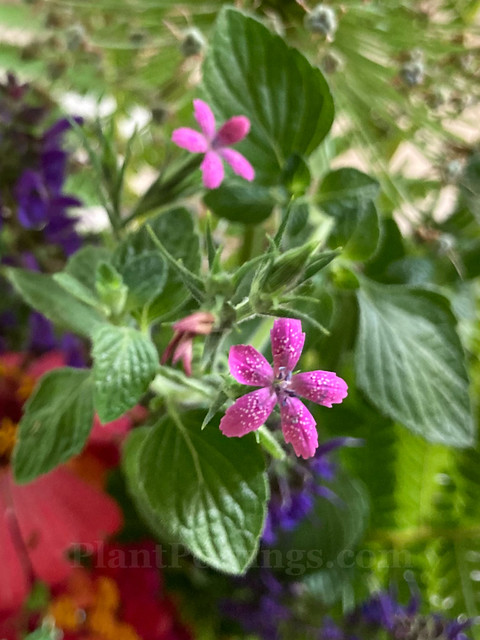
deptford pink and calamintha

Deptford Pinks (Dianthus armeria) and Calamintha (C. nepeta). I probably should pull all the former, since they're non-native and somewhat invasive. But I prefer to wait until they flower to enjoy the beauty, and then uproot them.

ambassador

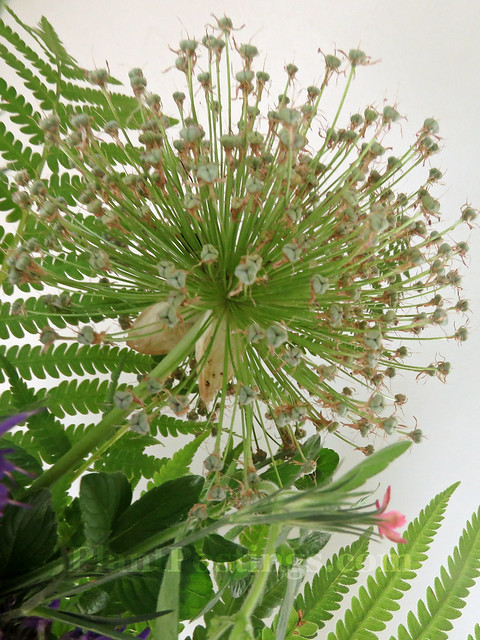
A large Allium seedhead: I believe this one is 'Ambassador.'

may night

'May Night' Salvias, which after deadheading will bloom several more times in the weeks ahead.

sunrise rose

A handful of the bright and warm 'Sunrise Rose' Lantanas (L. camara).

vase 2

It's a simple arrangement, but a sweet way to celebrate the first Zinnia. :)

Lilies

As I was wrapping up this post, I noticed the Asiatic Lilies (Lilium asiaticum) were beginning to bloom, so I picked a couple and plopped them in a vase.

I'm linking this post to the meme In a Vase on Monday, hosted by Cathy at Rambling in the Garden. Check it out and participate!

November 04, 2022

The Fuchsias of November 2022

bloom 4

This is an unusual November for my part of the world. We've had light frost, but it's been followed by days of very mild weather, similar to what we'd usually experience in September. While most perennials have gone dormant and many annuals have passed, some plants that can take a light frost are holding out. This includes my hanging baskets of Fuchsias.

I have many around the property, and most have not been sheltered from the cold nights or covered at all. They're actually looking better than they did during the hot summer days.

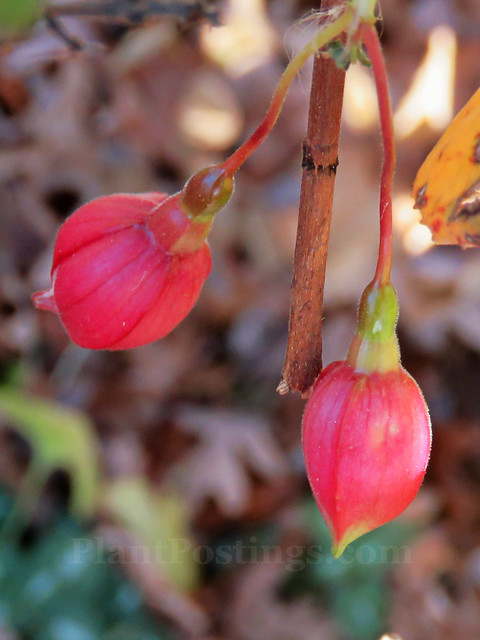
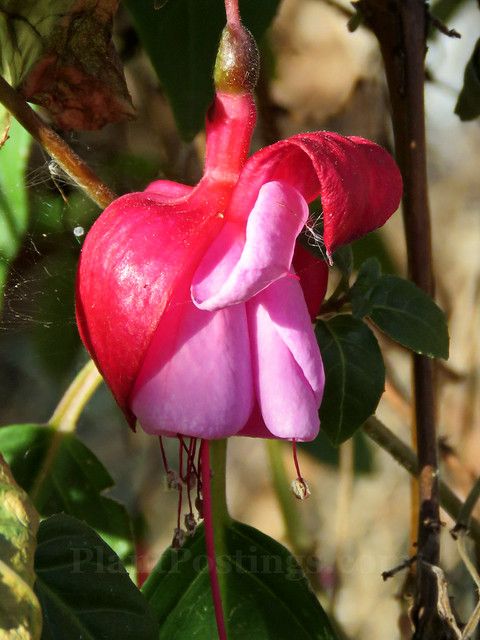
I don't know the names of most of these Fuchsias, because they came in mixed baskets without tags. The last two photos, however, are 'Markinka,' which I bring in to the sunroom for the winter every year, and the buds of 'Dark Eyes.'

bloom 1

buds 1

bloom 2

bloom 5

fruit

bloom 3

bloom 6

buds 2

We've been spoiled with this mild autumn. I'm not ready for the cold days of winter ahead.

January 22, 2021

Let's Overwinter Some Fuchsias!
fuchsia 1

Do you grow Fuchsias in your garden? They've been a mainstay in my garden for oh, so many years--particularly at our current location where we've lived for more than 20 years. Fuchsias like shade, and we certainly have plenty of that with our huge, old Oaks.

fuchsia collage

I've tried so many varieties of Fuchsias over the years and I've loved all of them, but there are two that are so special, I've taken to overwintering and dividing them for the next growing season. Fuchsias overwinter well in a bright, heated room with indirect light. I simply lightly water them a couple of times a week. To expand the collection, I clip the vines about halfway, and either root them in water first or simply place them in soil and water liberally for the first couple of weeks.

The two I personally enjoy the most are Fuchsia 'Autumnale' and Fuchsia 'Marinka.'

autumnale 1

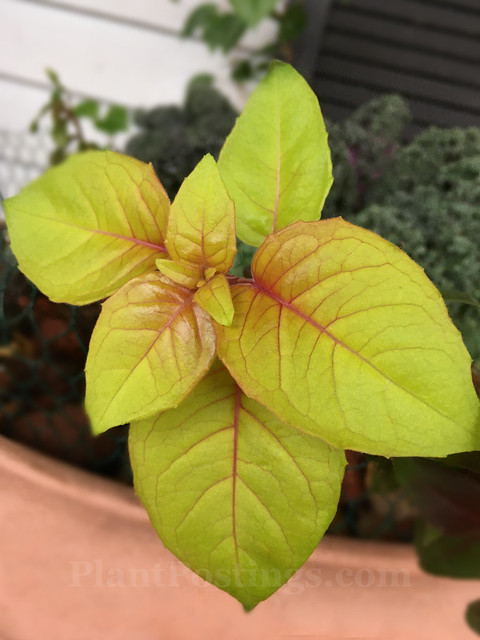
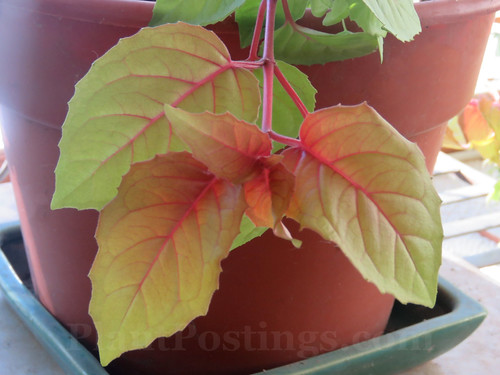
Autumnale has the most exquisite variegated foliage that changes with the seasons and the light. Yes, it's beautiful and appropriate in the fall, but it's fabulous year round. This is a new variety for me, as I bought it last summer for my mom, so I'll always think of her with this one. When she passed, I took cuttings from her pots to bring home. It was lovely through the autumn, planted with ornamental kale.

autumnale 2

I'm finding that it's performing quite well in pots in the sunroom this winter and multiplying from cuttings. I should have plenty for new outdoor potted arrangements come May. Autumnale's flowers are similar to those of Marinka, shown below.

marinka 1

Yes, Markina is a long-time favorite! Such a hummingbird magnet, the flowers are lush and lovely, and the berries are large and juicy. (Did you know that Fuchsia berries are edible? They're delicious popped on top of a salad, or mixed with other berries!) 
marinka 2

Here's Marinka in the sunroom, with ripening berries and healthy vines. With summer sun, the plants will bloom profusely again very soon.

If you like Fuchsias, consider overwintering a few for fun and to save some money for next year's garden!

May 29, 2019

Plant of the Month: Dwarf Korean Lilac

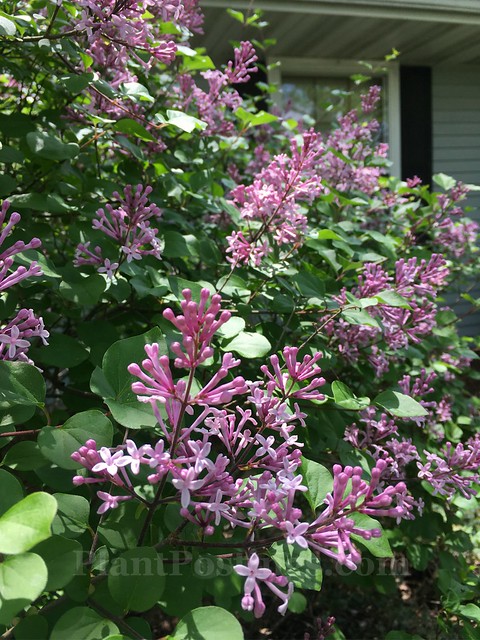
lilac blooms

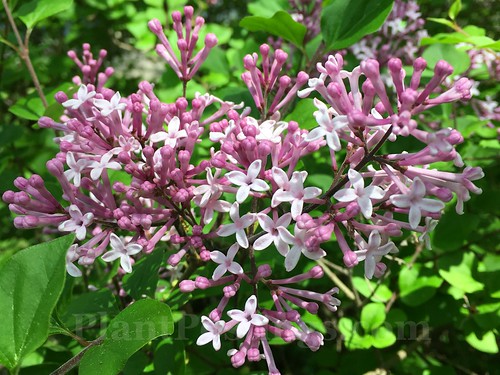
No shrub can compete with the beauty, blooms, and fragrance of the Dwarf Korean Lilac (Syringa meyeri) when it's flowering. I've posted about this one many times, and I probably will again, but it deserves to be plant of the month and I've never done that until now.

We have two of these shrubs, both of which were here when we moved to this property nearly 20 years ago. Every year, the explosion of lavender/pink flowers is one of my favorite garden events of the season, generally peaking just after the Common Lilacs (Syringa vulgaris).

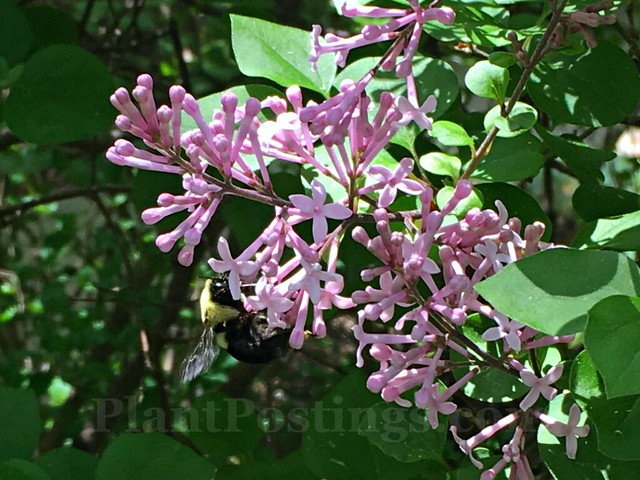
lilac and bumble

No, this is not a native shrub, but it definitely has pollinator value. The bumblebees were all over it when I was taking these photos. Later, I saw a monarch butterfly on it (I was in the garden working and didn't capture the photo). I've also seen tiger swallowtails and other butterflies, honeybees, hummingbirds, and other pollinators enjoying its sweet nectar.

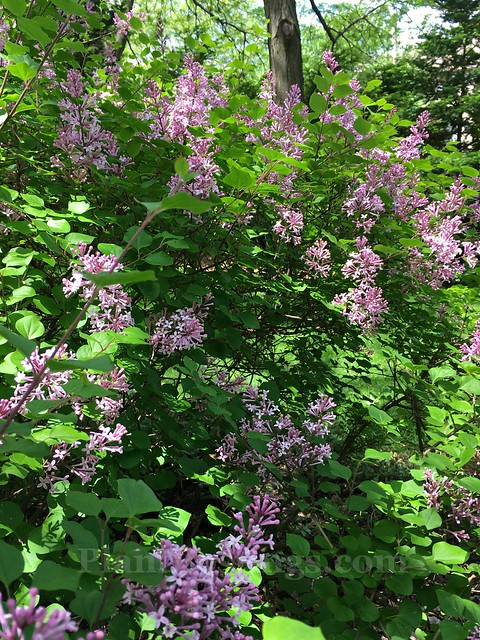
lilac blooms 2

This year's damp, cool spring has been good to these shrubs, and they seemed to handle the extremely cold winter better than the Common Lilacs.

Dwarf Korean Lilac is hardy in USDA garden zones 3 to 7, according to the Missouri Botanical Garden. It naturally reaches a height of 5 to 7 feet, and a spread of 6 to 10 feet, but we keep ours trimmed to a much smaller width--pruning it each spring after it blooms. Although it's listed as needing full sun, both of ours thrive in partial sun.

Most winters, rabbits chew the lower branches; with snow cover, the damage is less significant. In years with heavy rabbit grazing, I simply prune the entire shrub more dramatically, and it always bounces back the next spring.

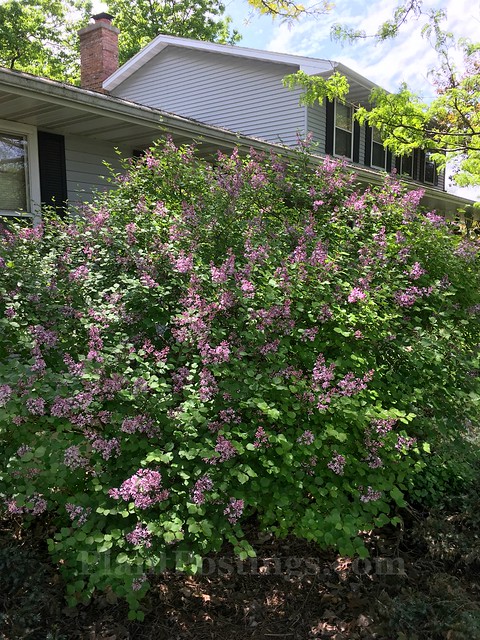
lilac and house

I like the statement it makes at the corner of the house. From this angle, you can't see it, but the shrub borders the driveway and a sidewalk. When you walk by, the scent is so very sweet!

lilac buds

My heart is happy when the Dwarf Korean Lilacs bloom.