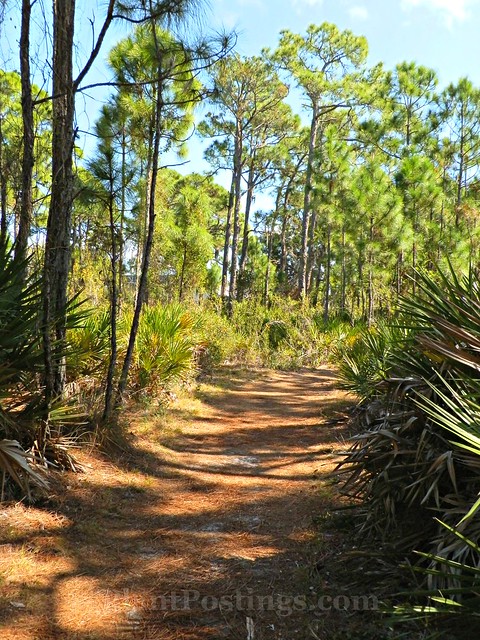
 Cedar Point Environmental Park
 is a 115-acre property along Florida's central Gulf Coast, boasting a broad range of habitat diversity and wildlife sightings. Last week, while the fishman and the kids were visiting for a spring break vacation, we spent a lovely afternoon exploring several trails at the park.
Cedar Point covers a protected peninsula along Lemon Bay, and includes pine flatwoods, salt marsh, mangrove fringe, and Oak scrub plant communities. Each is described in detail with educational signage along the trail.


The "Cookie House" is a preserved pioneer building with a tie to my home state of Wisconsin.
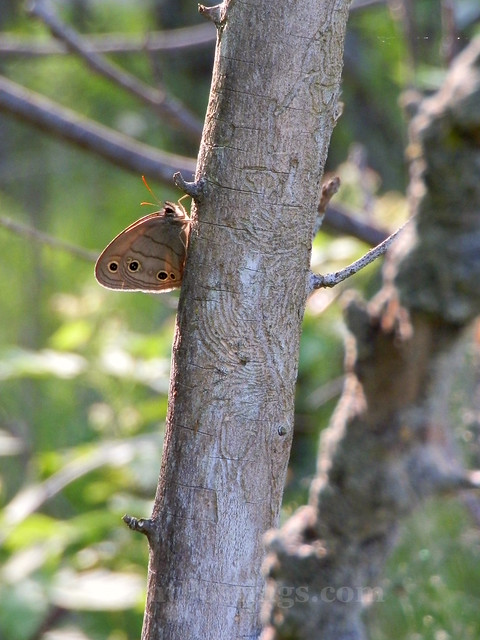
The park is thick with butterflies.

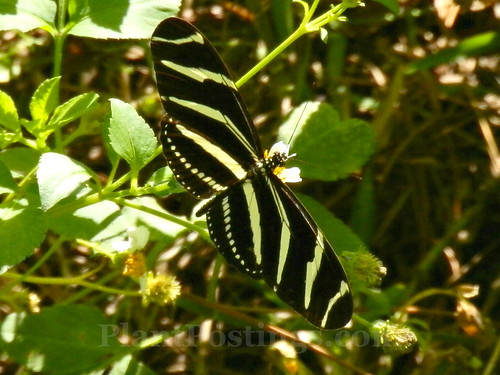
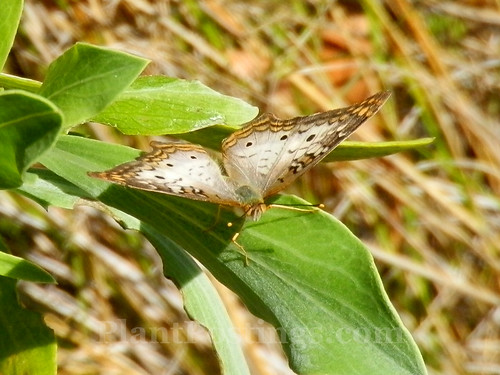
In addition to the Gulf Fritillaries (
Agraulis vanillae) highlighted in my last post, we also saw numerous Zebra Longwings (
Heliconius charithonia) and White Peacocks (
Anartia jatrophae), among others.
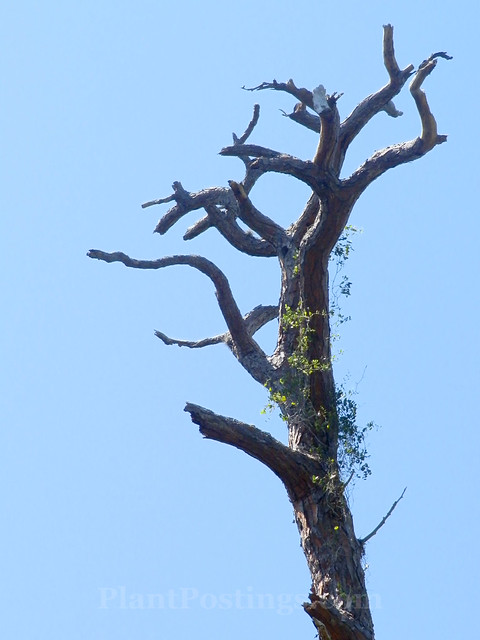
The park allows some dead trees to remain standing for wildlife.
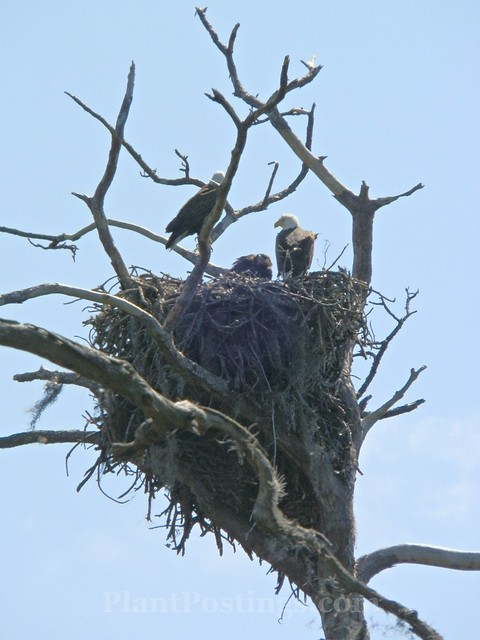
The standing trees provide excellent viewing and nesting habitat for Bald Eagles and other birds of prey.
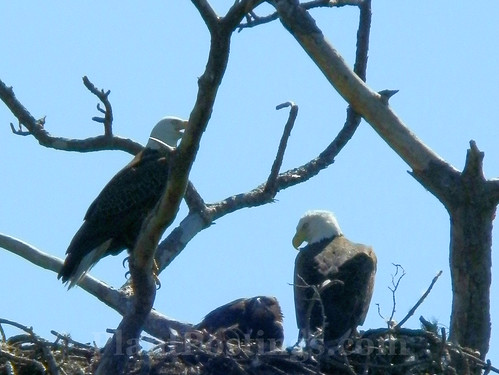
This family's nest was close to the trail--within easy viewing for hikers.
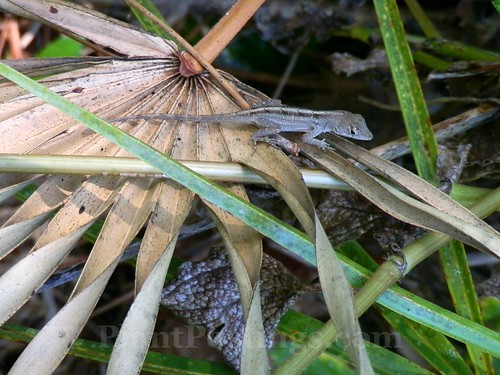
We saw many lizards.
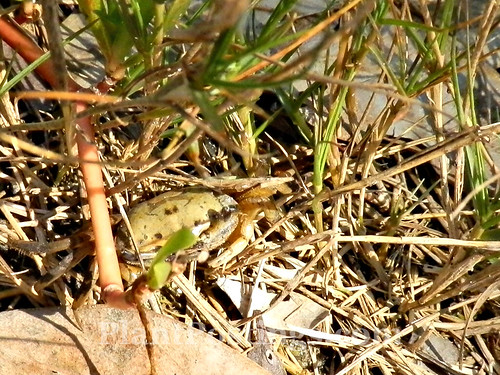
And little crabs that crawled across the path and into the brush. It's amazing how these little critters use camouflage to blend in with their surroundings.
Many of the plants were familiar--plants that are native in both Florida and Wisconsin, although they bloom much later in the north, including:
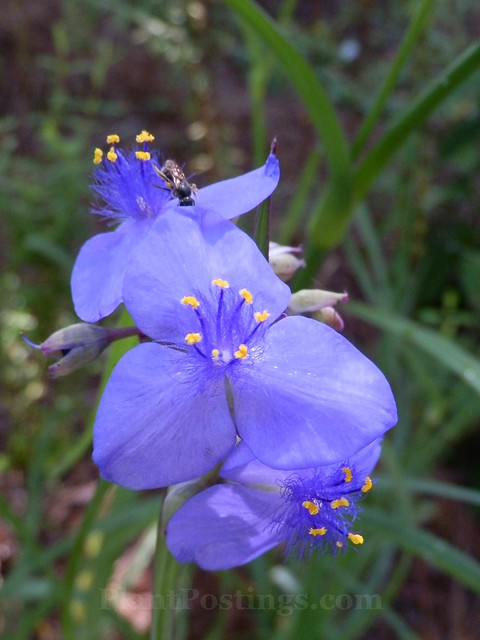
Spiderwort (
Tradescantia ohiensis);
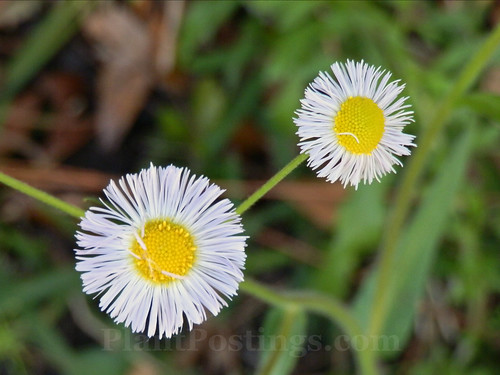
Daisy Fleabane (
Erigeron annuus); and
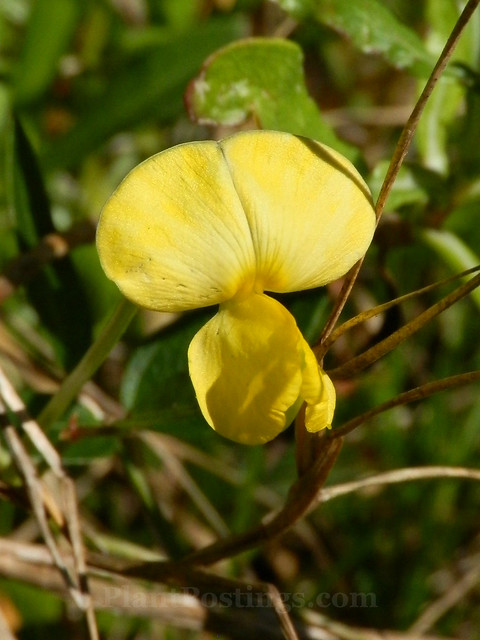
Pencil Flower (
Stylosanthes biflora).
Others were plants not seen in my part of the country:
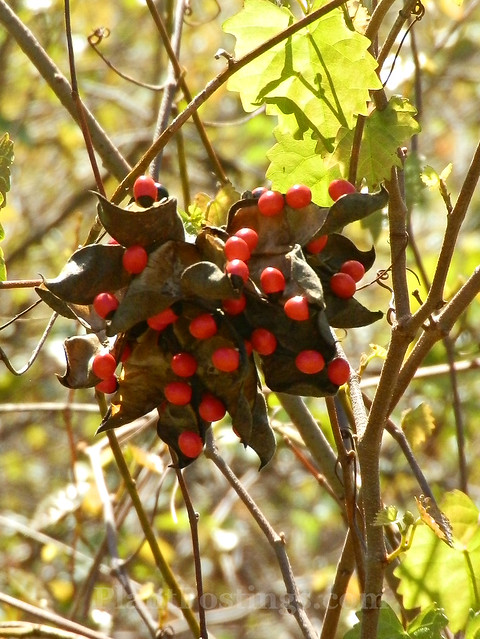
Rosary Pea (
Abrus precatorius);
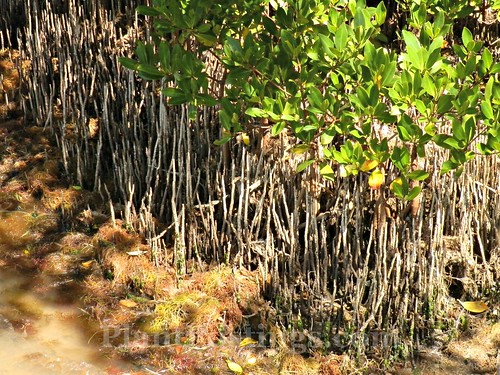
Mangrove trees (various species);
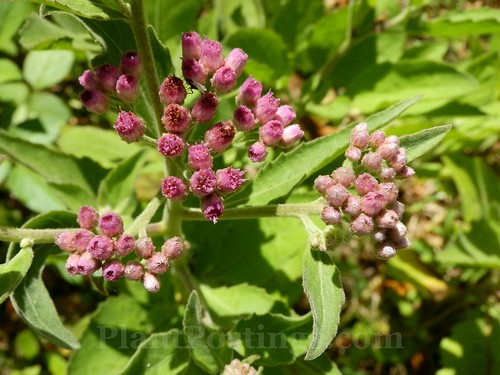
Marsh Fleabane (
Pluchea odorata);
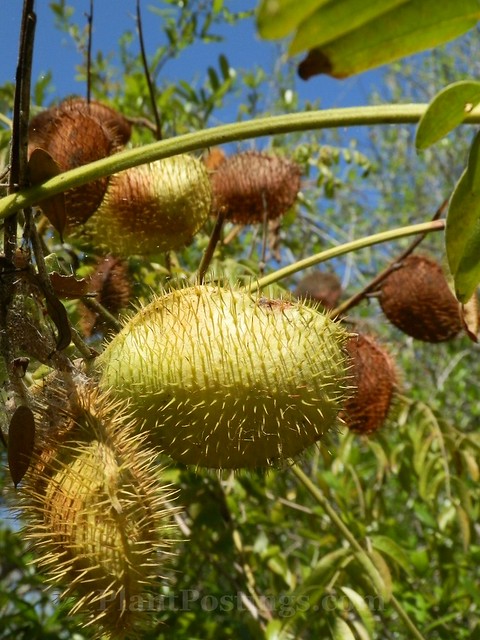
Nickernut (
Caesalpinia bonduc);
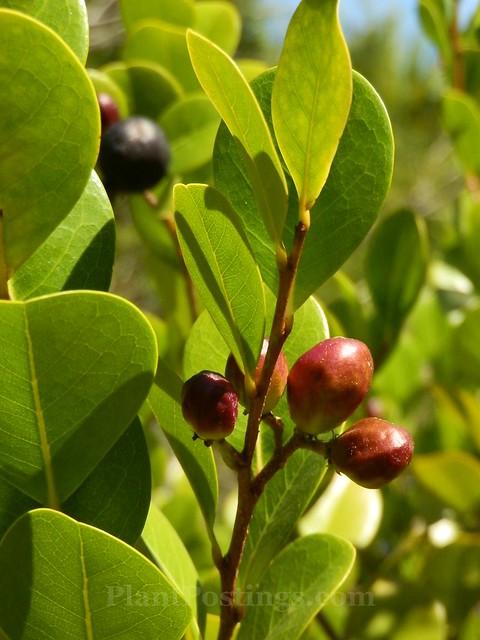
Coco-plum (
Chrysobalanus icaco);
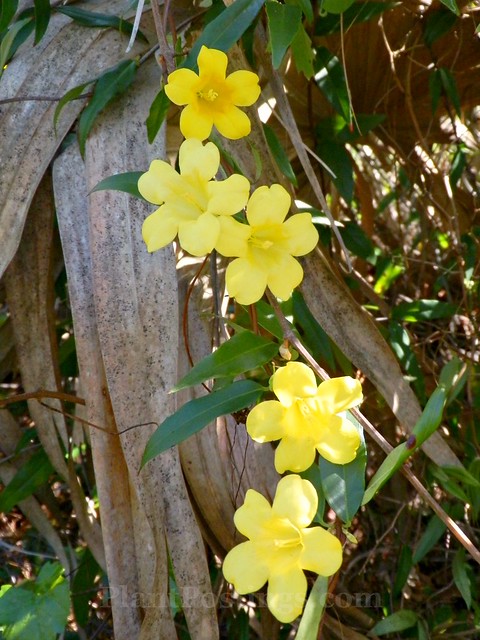
Yellow Jasmine (
Gelsemium sempervirens); and
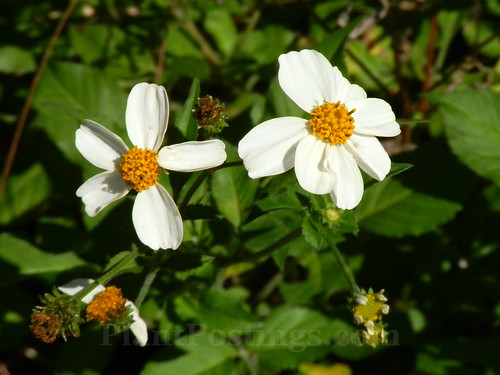
Common Beggar's-tick (
Bidens alba) (although we have a similar species in the north).
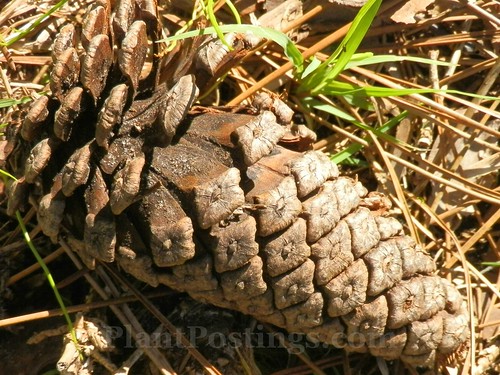
I was surprised by the prevalance of pine and the huge pine cones throughout the park.
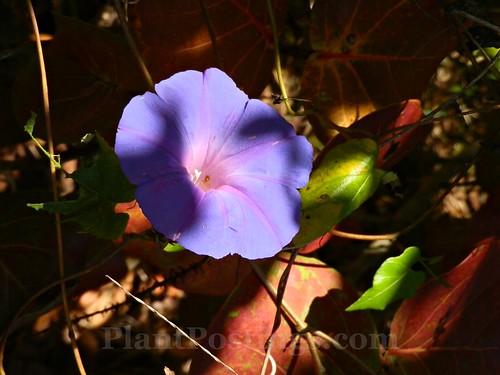
Also, Morning Glories (
Ipomoea tricolor), while not native, can be found growing throughout the area, not just in the park. They're considered invasive, but
not as much of a problem as some other species of the genus.
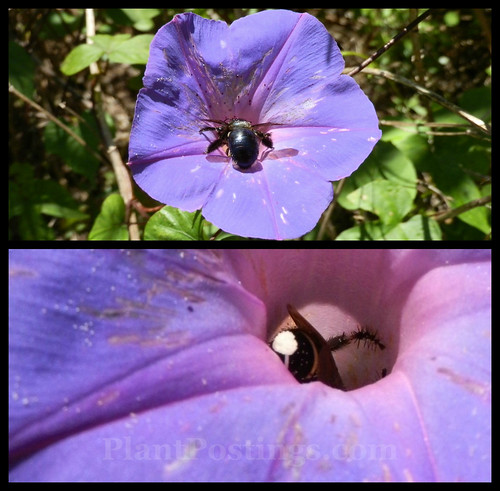
They seemed to be a favored pollen source for the park's bees.
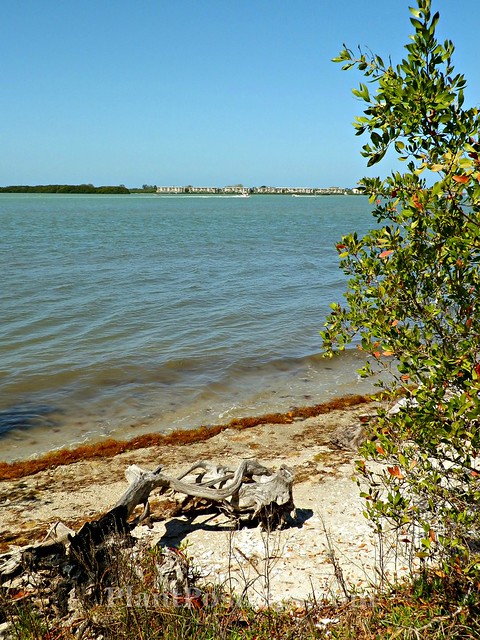
At several points along the trail were beautiful views of Lemon Bay.
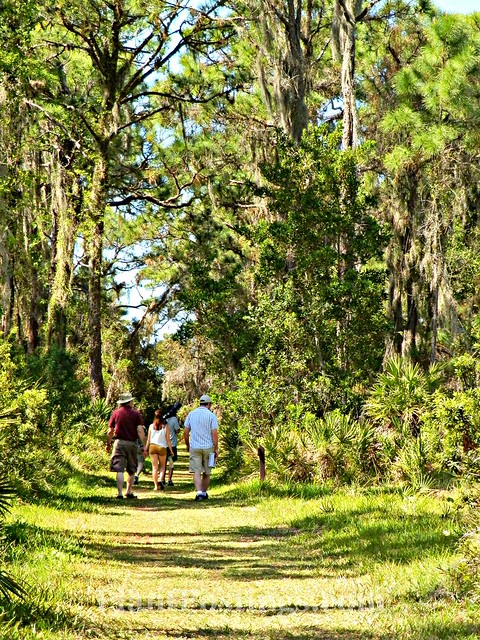
All in all, a rewarding, educational "spring" hike enjoyed by the entire family.
(I'm linking this post to Wildlife Wednesday at
My Gardener Says, Nature Notes at
Rambling Woods, and Seasonal Celebrations at
Gardens Eye View.)