June 12, 2018

Here's to the Survivors!

the survivors

I'm not exaggerating when I say that this year, so far, has been the weirdest weather year I've experienced here in the Madison area. Not the worst weather year, but the weirdest. I know others in North American and other locations are having a weird weather year, too.

In addition to being weird, it was brutal on plants. Some gardeners here in Southern Wisconsin lost many plants over the winter. I lost some, too, although the casualties weren't as bad as I originally thought. Most of the established perennials returned on schedule, in good condition.

But I did have some losses. You see, we had a mildish winter--temperature-wise--but almost no snow until February. That meant dormant plants were particularly vulnerable to deep soil freezing and frost heaving. I hope this will mean fewer Japanese beetles this growing season, but time will tell.

In any case, most of the plants I lost were experiments--plants in pots that I placed near the house with heavy mulch. I probably won't do that again and expect good results. I also thought I'd lost quite a few new in-ground plants, but the toll wasn't too bad.
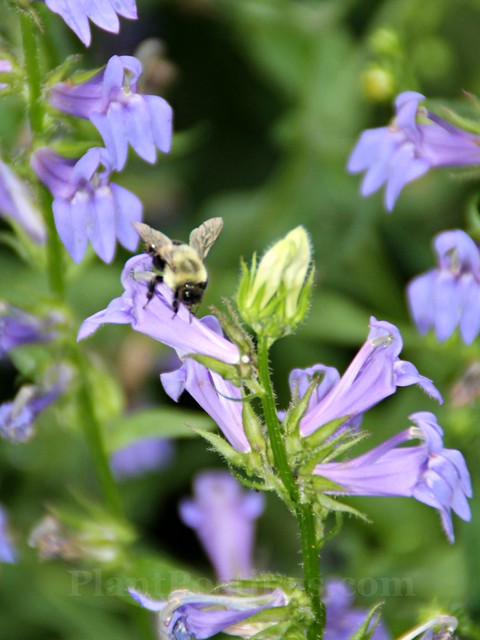
lobelia

The only one I'm not finding any sight of is Great Blue Lobelia (L. siphilitica), which I planted at the base of a trellis frequented by busy chipmunks. I can't seem to get anything to grow in that spot, long-term.

Oh, and two new sedges sadly expired.

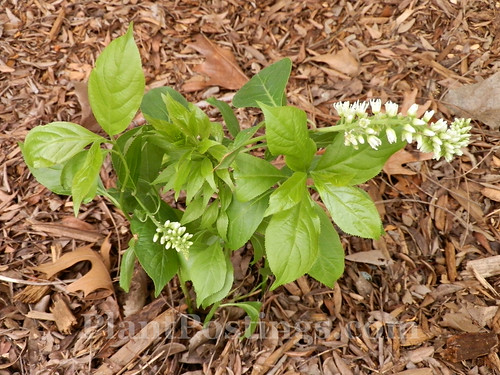
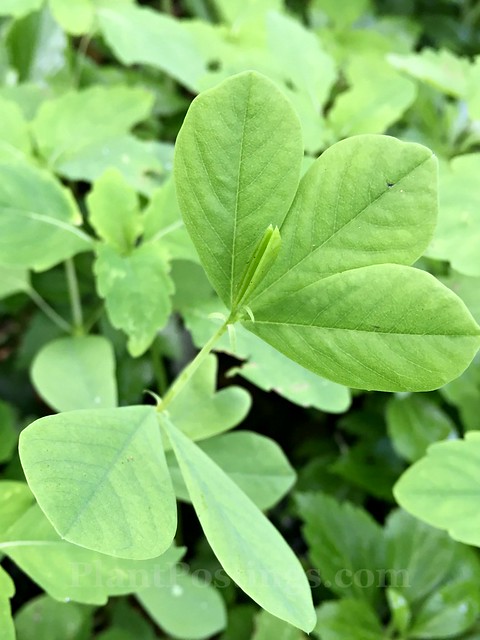
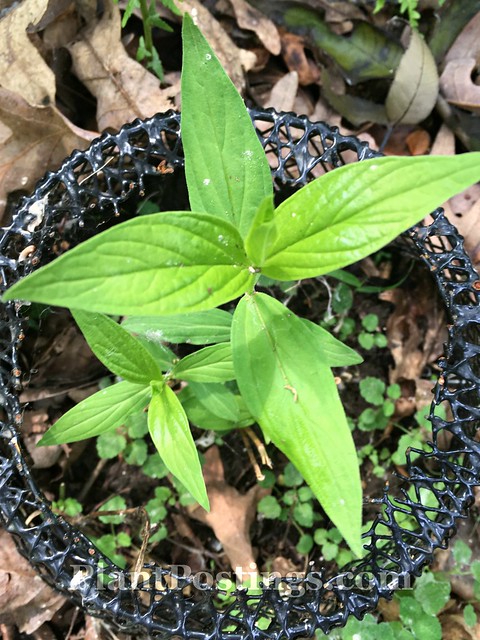
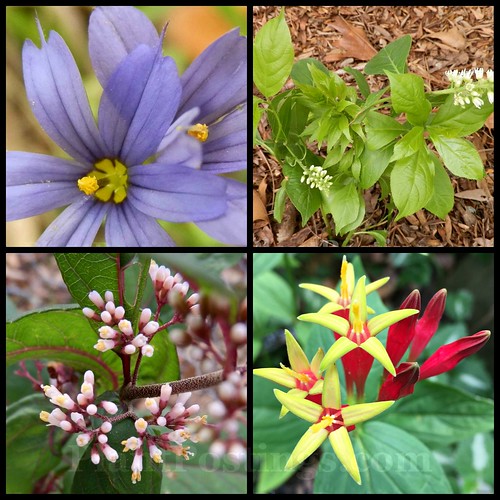
Most of the others survived, although they emerged much later than I would have expected--deep into May. Included here are pictures of the new growth, along with what they look like at their prime--either in my garden or elsewhere. (Apologies for the Cottonwood fluff and various detritus on the "new growth" photos--seeds are falling and it's kind of a messy time in the garden right now.)
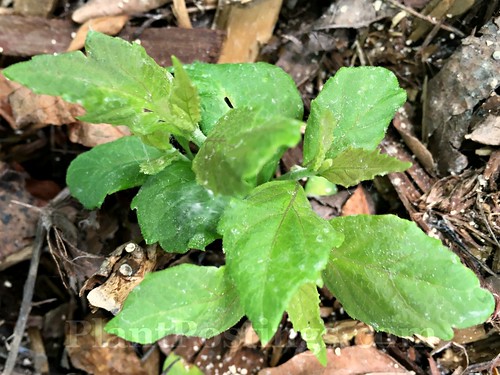
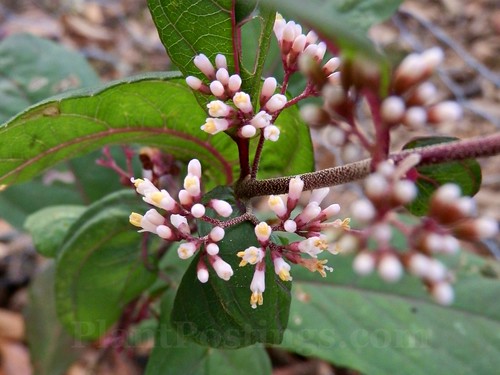
beautyberry survivor
Beautyberry 'Pearl Glam' (Callicarpa hybrid)

beautyberry
'Pearl Glam' in bloom last summer

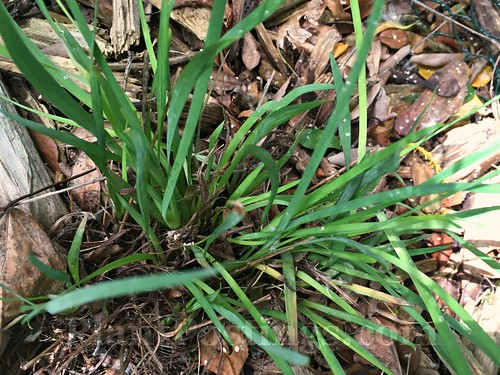
be grass survivor
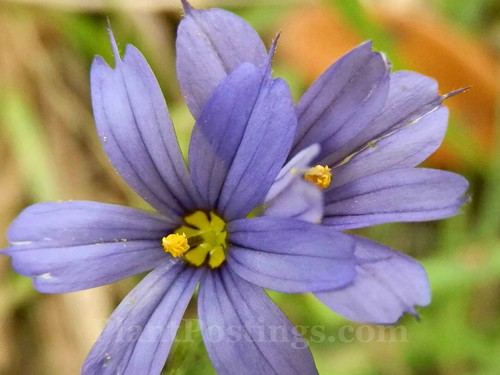
Blue-Eyed Grass (Sisyrinchium angustifolium)

be grass
Blue-Eyed Grass in bloom

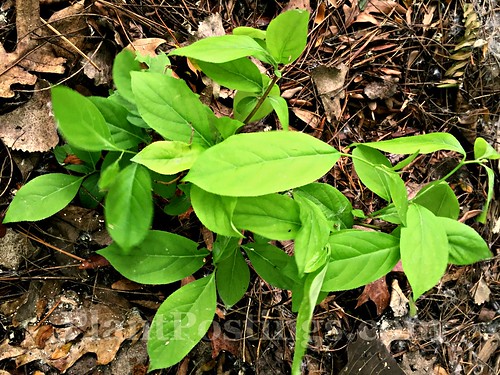
sweetspire survivor
'Little Henry' Virginia Sweetspire (Itea virginica)

sweetspire
'Little Henry' blooming in the first year

baptisia survivor
Blue Wild Indigo (Baptisia australis)

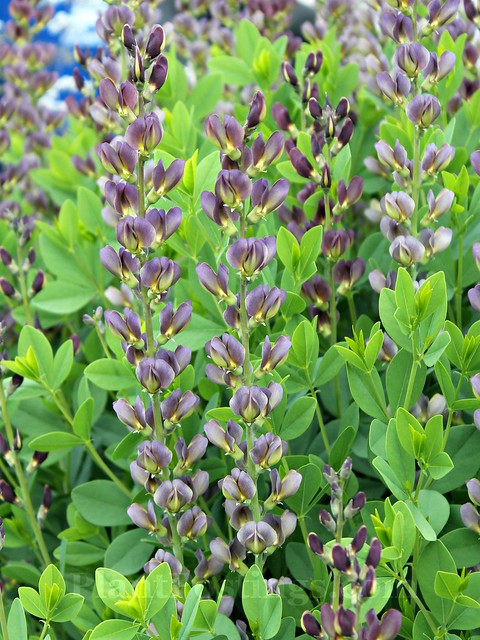
baptisia
This is a hybrid Baptisia, because I don't have a photo of the straight species.
Mine didn't bloom in its first year.

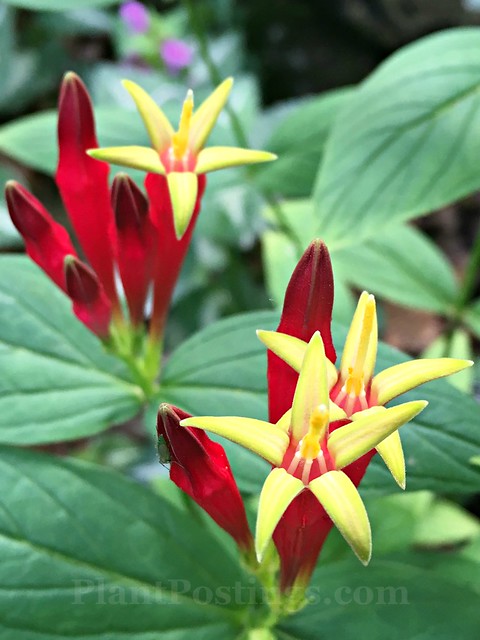
spigelia survivor
Woodland Pinkroot or Indian Pink (Spigelia marilandica)--caged, so the rabbits won't eat it

spigelia
Spigelia in bloom last summer

So, all in all, the losses weren't too bad. These survivors amaze me! How about you? Are you having a weird weather year? Did you lose many plants over the winter?

June 04, 2018

Bees on TV

Roses 2

Recently a local television program filmed a segment on bee monitoring at the UW-Madison Arboretum. The filming occurred during our regular Friday volunteering session, since our group of volunteers includes several trained bee monitors. The rest of us got to tag along.

I served as a spotter and a photographer, and helped search for bees of various species among the blooming plants. Tough gig, eh?
While we were waiting, I took stock of the beautiful blooming native plants.

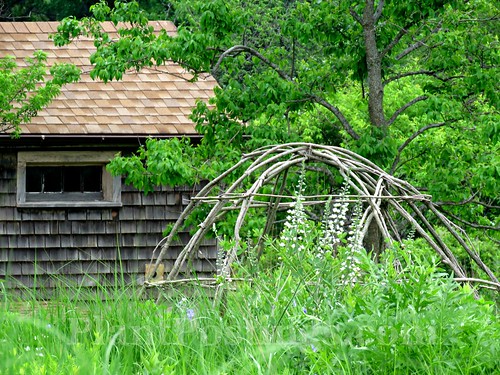
plant hut
Baptisia alba near the plant hut

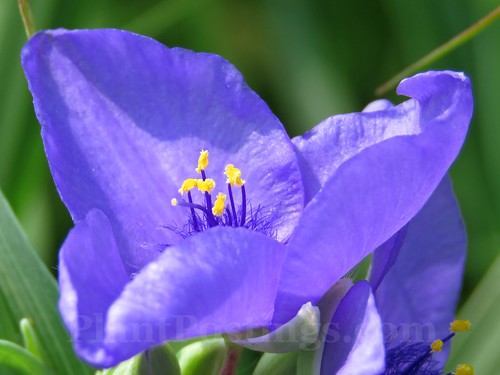
Tradescantia ohiensis

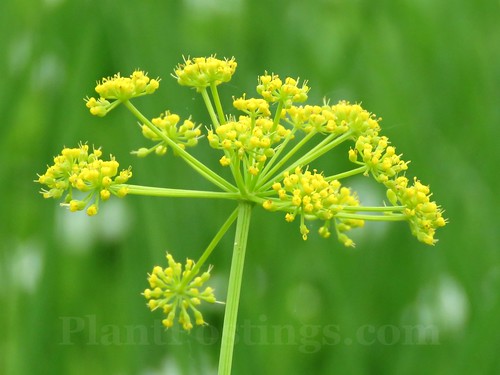
Zizia aurea
Zizia aurea

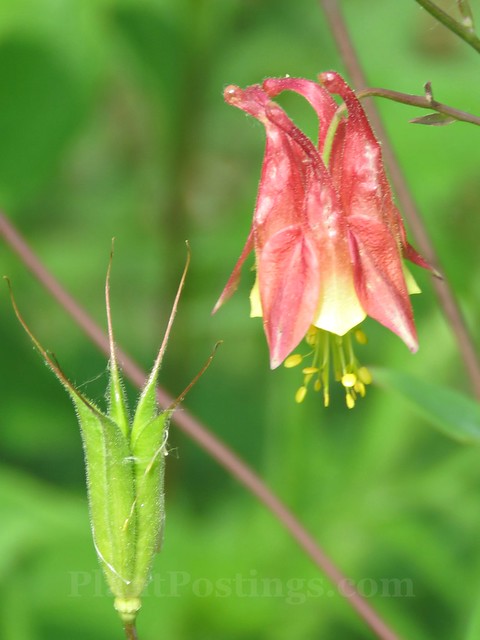
Aquilegia canadensis

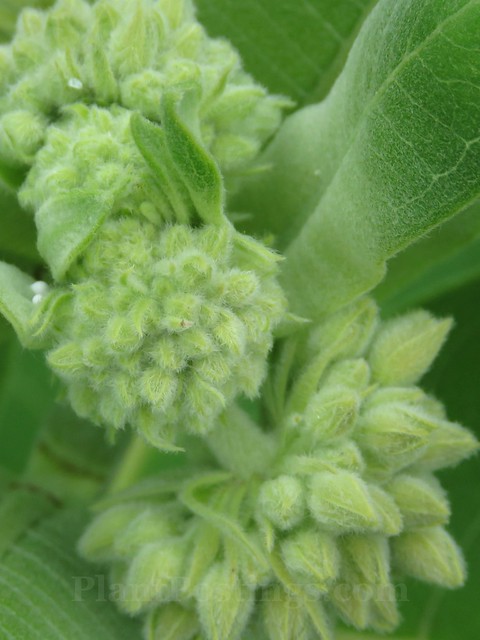
Asclepias syriaca
Asclepias syriaca (not blooming yet, but close and distracting with its fluffy, soft buds)

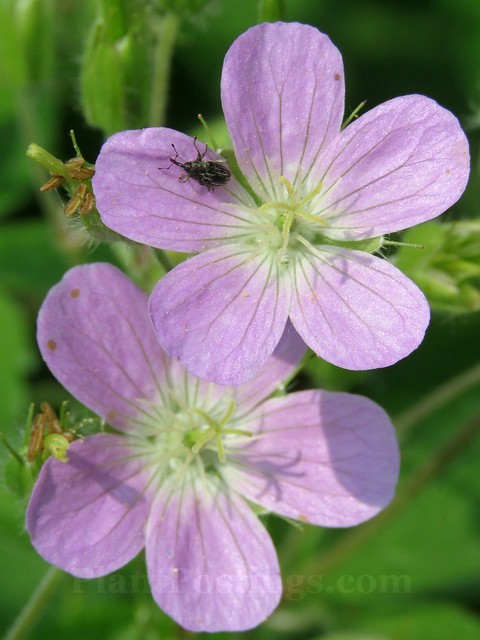
Geranium maculatum
Geranium maculatum

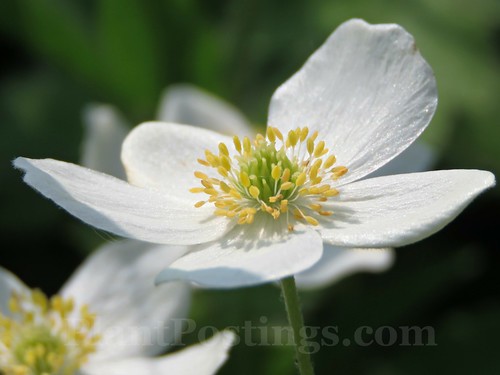
Anemone canadensis
Anemone canadensis

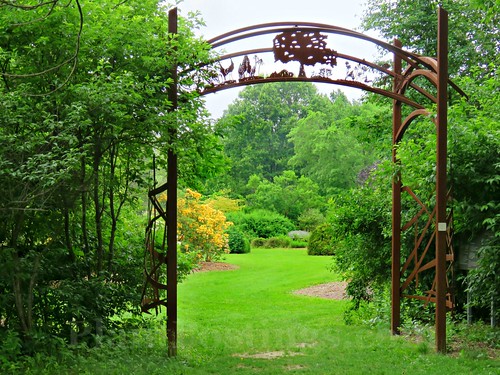
We also checked the plants in the horticultural garden.

horticultural garden

The Azaleas were bright and colorful.

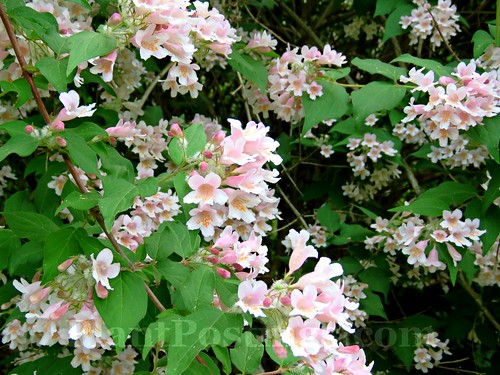
Kolkwitzia amabilis
Kolkwitzia amabilis

A giant Beauty Bush was covered in a profusion of pink.

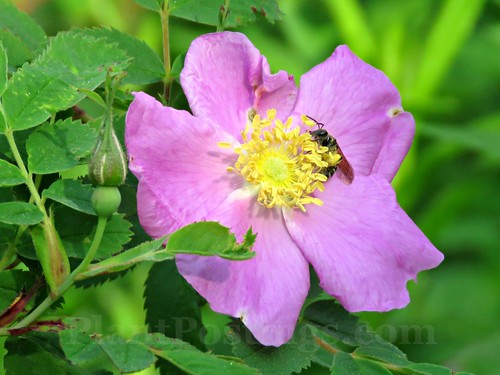
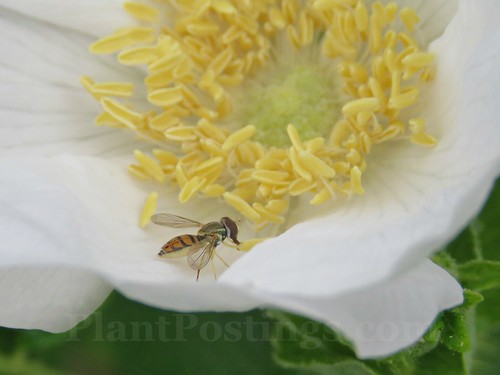
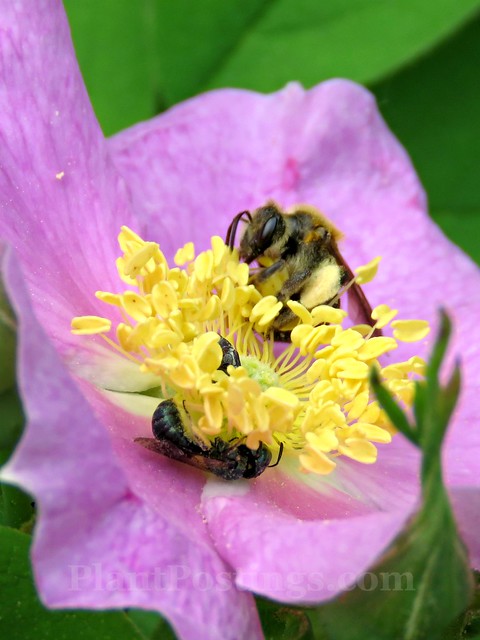
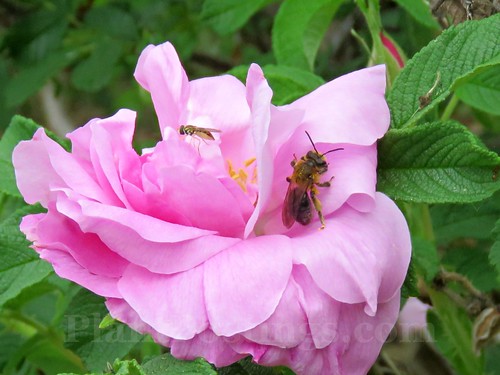
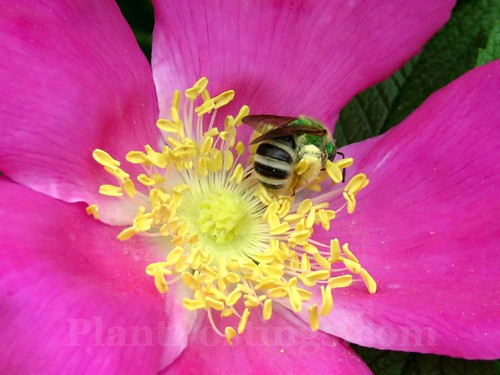
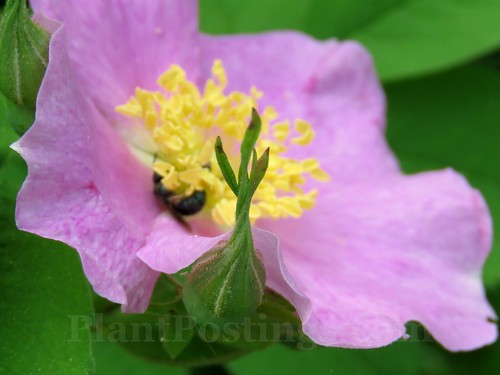
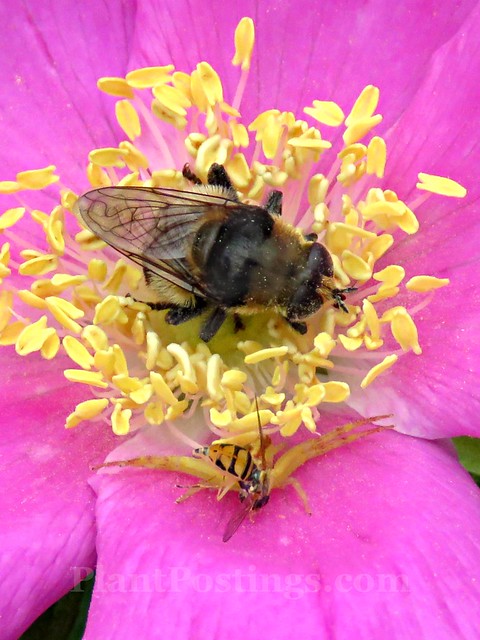
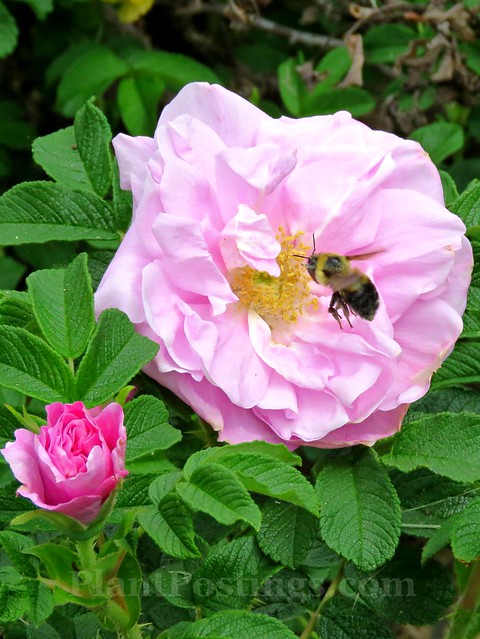
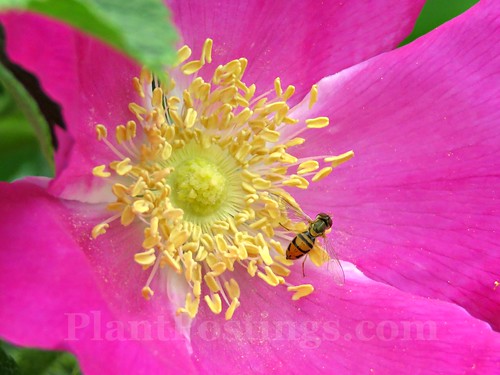
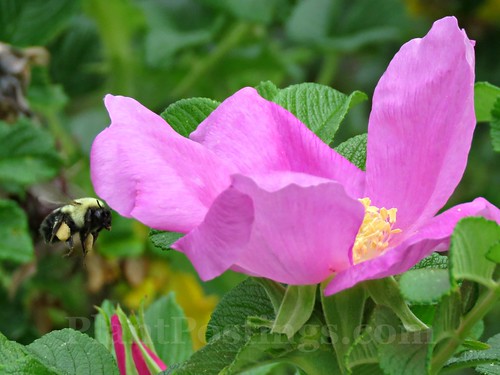
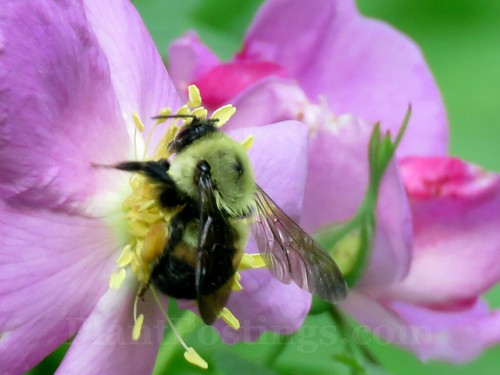
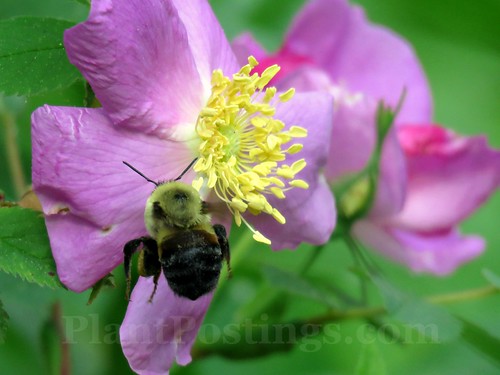
The most popular blooms for all the bees and pollinators we found were the roses--both the native Prairie Rose (Rosa arkansana), and the cultivated varieties. Most of the roses had one, two, three, and sometimes more pollinators, insects, and spiders visiting them at the same time. It was a party among the roses!

Rosa arkansana

Roses 8

Roses 4

Roses 9

Roses 11

Roses 3

Roses 10

Roses 7

Roses 6

Roses 5

Roses 1

Bee monitoring is such an important citizen science activity. To find out how to get involved in your area or online, contact The Xerces Society or Bumble Bee Watch.

I'll let you know when the television program airs.

May 24, 2018

Grabbing Moments While We Can

IMG_6777

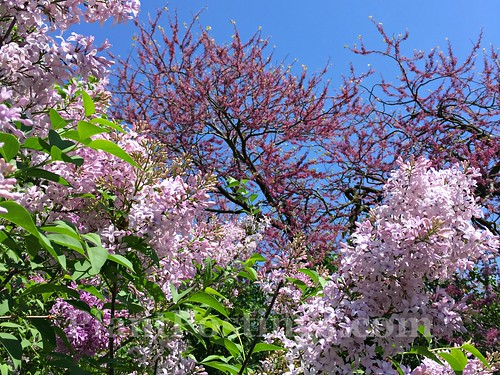
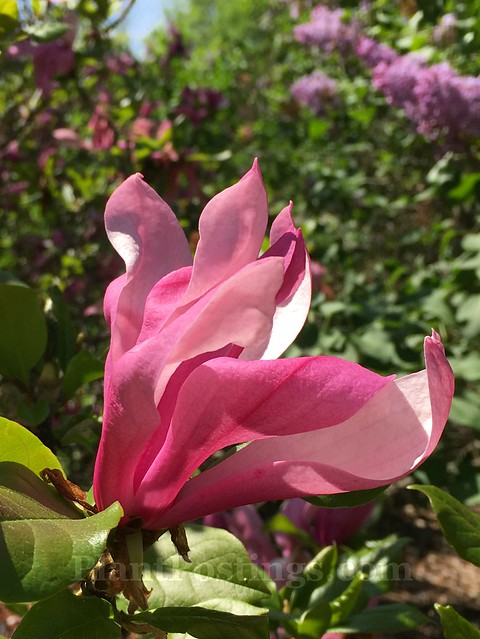
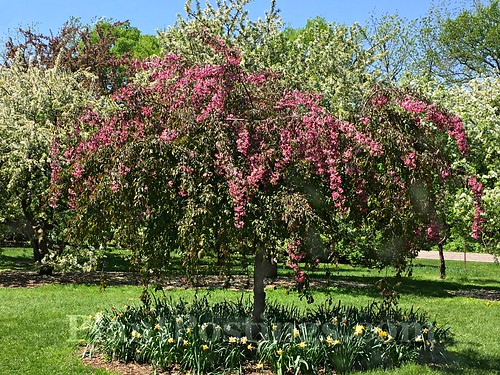
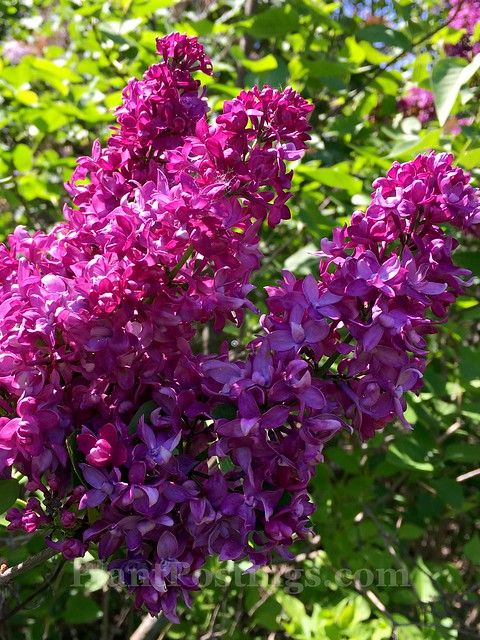
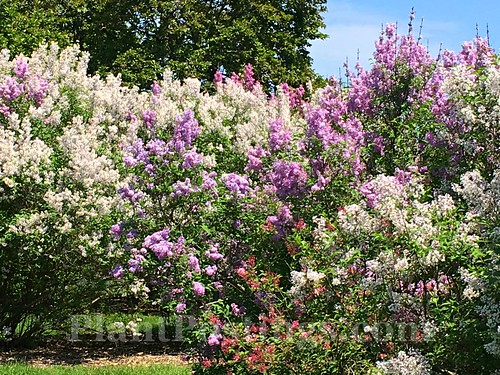
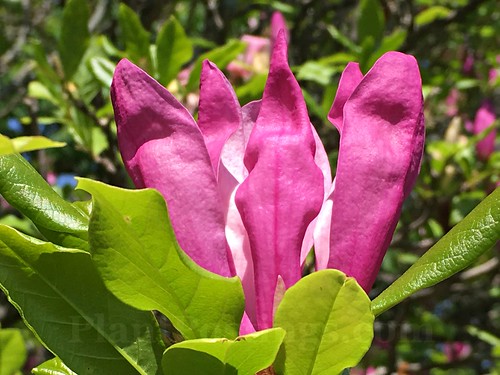
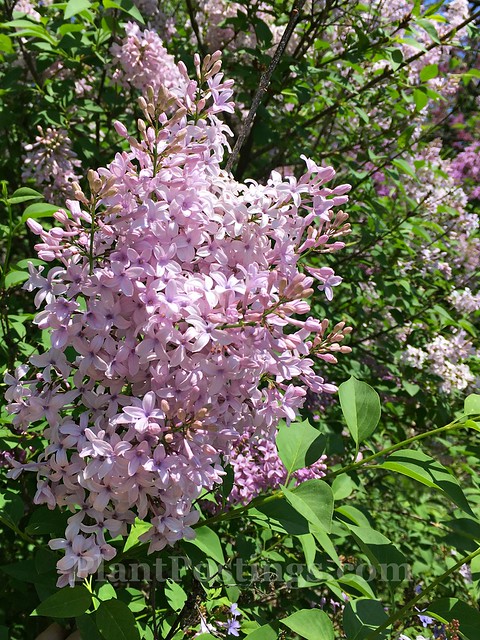
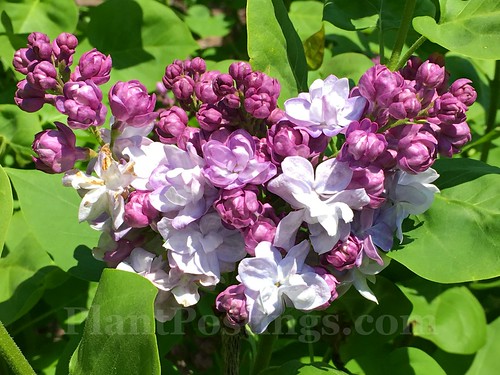
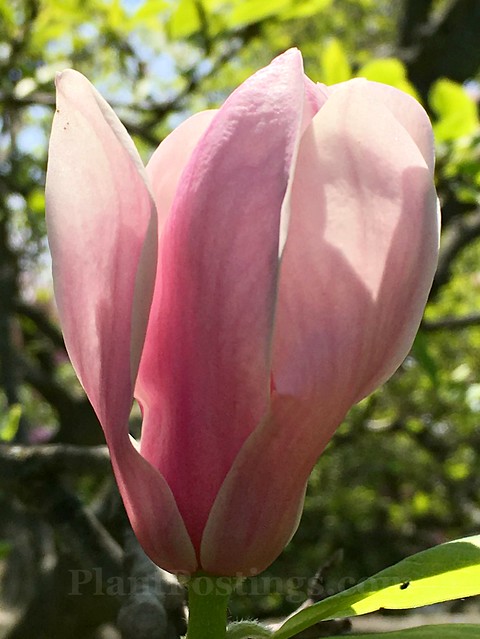
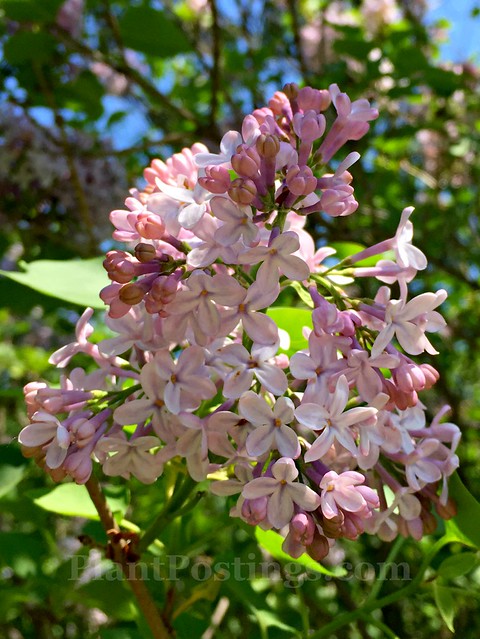
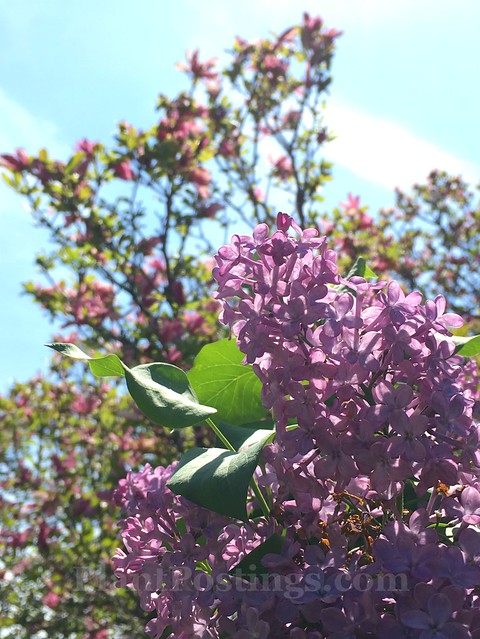
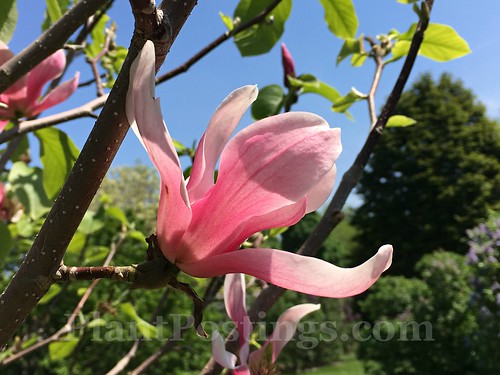
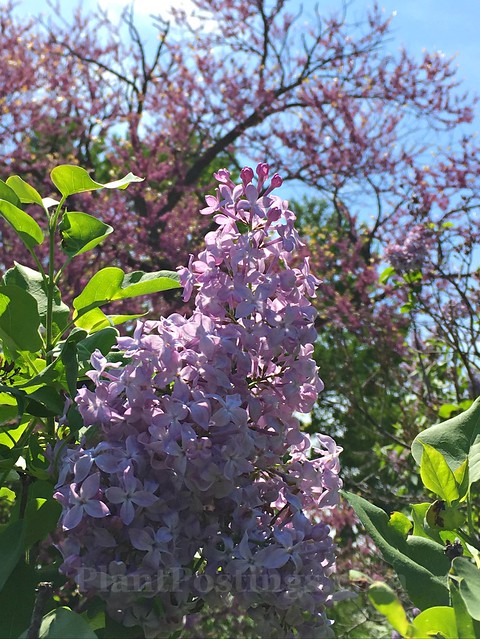
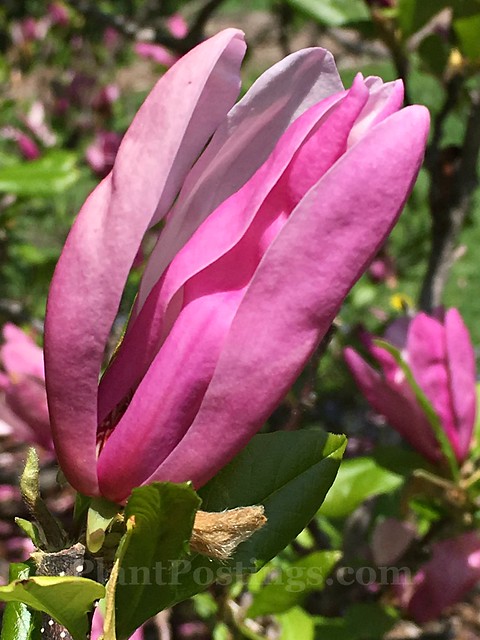
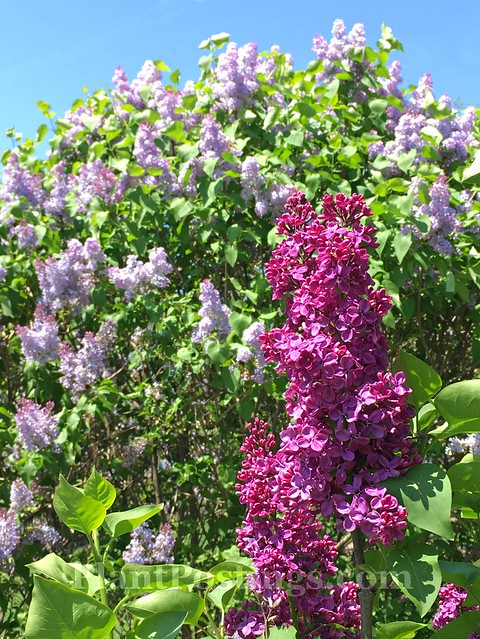
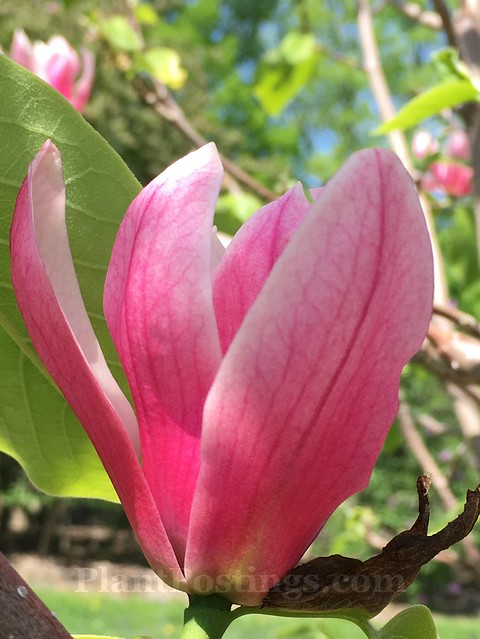
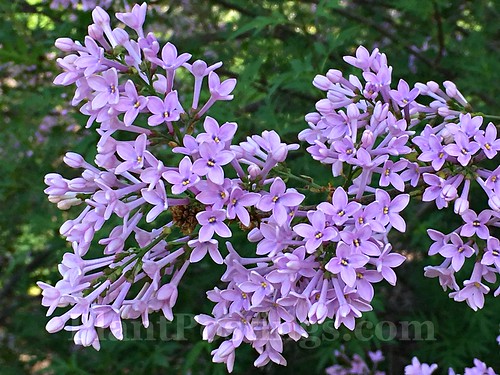
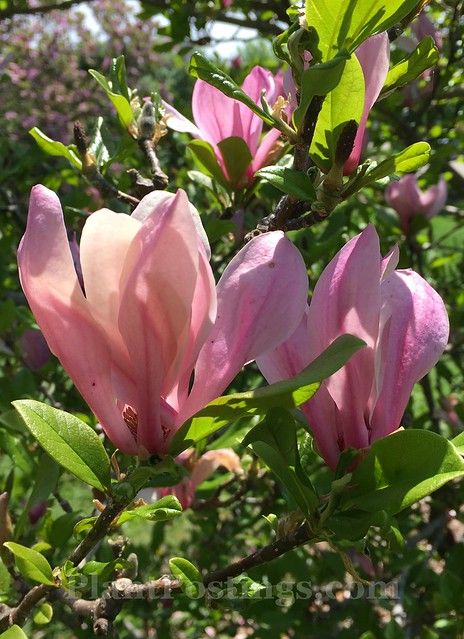
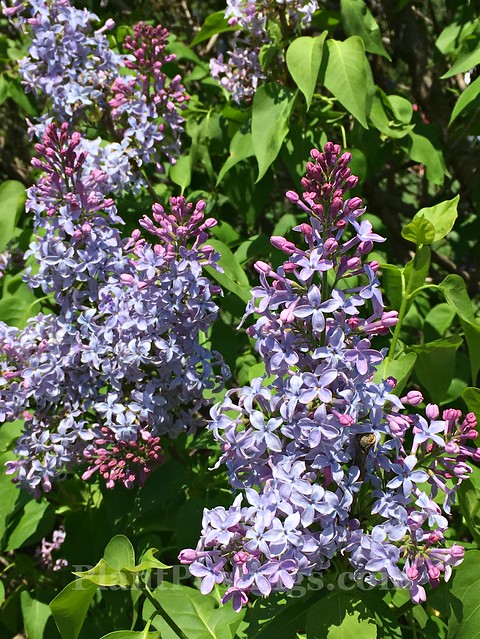
Everything seems to be on fast-forward now. We had the weirdest early spring I can remember (April was more like winter than March was), and now all the plants are catching up. In a rare display of florescence (floriferousnous? blooms on steroids?), the Crabapples, Redbuds, Lilacs, and some Magnolias were all blooming at the same time last week.

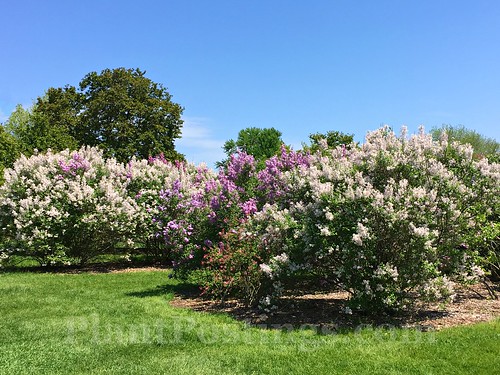
At the UW-Madison Arboretum's Longenecker Garden, which has one of the largest displays of Lilacs in the world, it was like a symphony of sights, scents, and even sounds. One woman sitting on a bench was quietly singing a lovely song.

This is old news now--sadly, many of these trees have lost their blooms. But it was splendid while it lasted. Here, in no particular order, are some highlights.

IMG_6762

IMG_6749

IMG_6781

IMG_6770

IMG_6743

IMG_6779

IMG_6759

IMG_6740

IMG_6768

IMG_6764

IMG_6761

IMG_6757

IMG_6754

IMG_6744

IMG_6752

IMG_6753

IMG_6756

IMG_6746

IMG_6780