Showing posts with label bumblebees. Show all posts

August 13, 2025

Wordless Pollinators on 'Summer Beauty' Alliums

Rusty-Patched Bumblebee 2
Rusty-Patched Bumblebee

Mining Bee
Mining Bee

Two-Spotted Bumblebee

Orange Wing Moth
Orange Wing Moth

Sweat Bees
Sweat Bees

Western Honey Bee 1
Western Honey Bee

Bumblebee and Sweat Bee

Common Eastern Bumblebee

Bumblebees 2
Bumblebees

Western Honey Bee 2
Western Honey Bee

Bumblebees 1
Bumblebees

Honey Bee and Bumblebee
Bumblebee and Honey Bee

Rusty-Patched Bumblebee 1
Rusty-Patched Bumblebee

April 26, 2023

Celebrating Wood Betony
On This Wildflower Wednesday

lake kegonsa sp bud

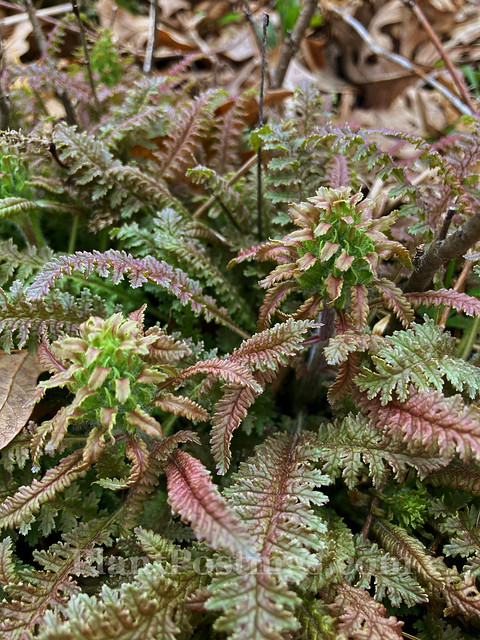
Hiking this time of year is exciting in this part of the world. After the long, cold winter, wildflowers are emerging and the landscape is changing rapidly. On a recent hike, one of the new season plants we noticed was Wood Betony (Pedicularis canadensis). The foliage with its fern-like pattern has a reddish tint in the spring, which changes to green as the plant matures.

kettle moraine sp

I've seen this plant in several parts of Wisconsin, including Door County, Kettle Moraine State Forest, and Lake Kegonsa State Park, not far from my home. It seems to prefer woodland edges and prairies near woodlands. The plant and its yellow flowers are arranged in a spiral rosette with white hairs, making the flower stalk look fuzzy. It's a favorite of bumblebees in the early part of the growing season.

door county

Sometimes the blooms have a reddish brown tint, similar to the color of the spring foliage.

Other common names are Canadian Lousewort and Forest Lousewort, apparently because early colonizers believed that when cattle grazed on the plants they became infested with lice. This plant's native range covers most of the Eastern half of the United States.

If planning to incorporate it in a garden, it prefers full sun to part shade, mesic to dry conditions, and sandy to loamy soil that's somewhat acidic. It grows to 12 inches in height and tends to grow in colonies. It's partially parasitic, so it grows well with other native plants and grasses. Here in my area, it tends to bloom in April-May, but I've seen it still blooming in June further north.

lake kegonsa sp bloom

Soon the Wood Betony will be blooming prolifically in one of my favorite wildflower settings. The bees will be very happy, and so will I. Thanks to Gail at Clay and Limestone for hosting Wildflower Wednesday. Head on over to participate!

August 10, 2018

Plant of the Month: 'Summer Beauty' Alliums

SB with swallowtail 1

When I looked out the window the other day and saw an Eastern Tiger Swallowtail butterfly on the blooming alliums, I knew what the plant of the month had to be. Fortunately, the butterfly stayed long enough for me to grab my camera and head outside for a few shots.

Something more exciting happened on this plant a couple of days later, but I'll cover that later in this post.

summer beauty 1

I added Allium tanguticum 'Summer Beauty' to the garden a few years ago. I ordered a few bulbs, and also Linda at Each Little World was kind enough to give me some when she divided hers. I planted them here and there in the garden, and while not all of them bloom every year, they find little spots of sun. I planted these beauties because, well...they're beauties, but also because they repel rabbits!

'Summer Beauty' is dramatic massed in a sunny border, but I don't have a choice--I have dappled sun in most of my garden, so that's the way it is. I noticed, however, that it's listed as tolerant of shade, which is true. This hybrid allium, like 'Millenium,' blooms in mid- through late summer, but it starts just a little earlier and the color is a little lighter--lavender-pink--where 'Millenium' is a brighter purple. They're great companions, though, as they bloom around the same time.

Here are a few details about 'Summer Beauty':

  • Height: 12"-18"
  • Spread: 18"-24"
  • Hardiness zones: 5 to 8
  • Attributes: Tolerant of drought, shade, and sun; seeds are sterile

SB with littles

Oh, and then there's the fact that it attracts pollinators of all types! It's fun to watch them climbing among the little flowers of the umbel bloom.

SB with RP 1

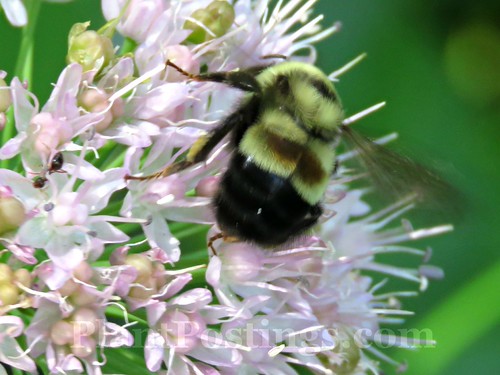
And here's the special joy that happened while I was photographing the flowers: The endangered rusty-patched bumblebee made an appearance!
SB with RP 2

I was thrilled to see this rare bumblebee in the garden: I must be doing something right to attract it! I hope to post more in the future about this special pollinator (the first bumblebee to be listed as endangered). Until then, You can read more about its special story here.

summer beauty 2

So, yes, I'd say 'Summer Beauty' Allium was a good addition to the garden! Do you have any summer-blooming alliums?

sb with swallowtail 2

June 04, 2018

Bees on TV

Roses 2

Recently a local television program filmed a segment on bee monitoring at the UW-Madison Arboretum. The filming occurred during our regular Friday volunteering session, since our group of volunteers includes several trained bee monitors. The rest of us got to tag along.

I served as a spotter and a photographer, and helped search for bees of various species among the blooming plants. Tough gig, eh?
While we were waiting, I took stock of the beautiful blooming native plants.

plant hut
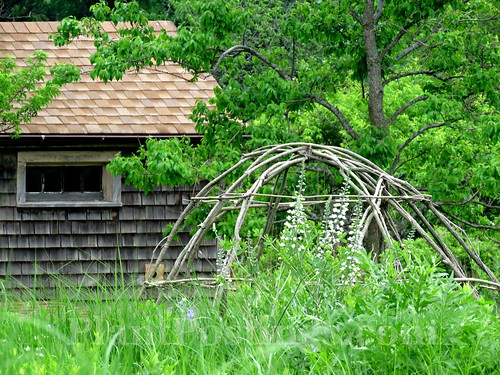
Baptisia alba near the plant hut

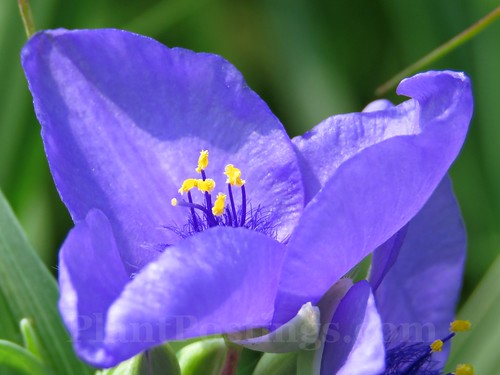
Tradescantia ohiensis

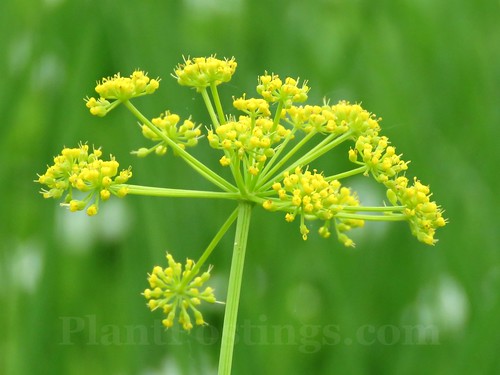
Zizia aurea
Zizia aurea

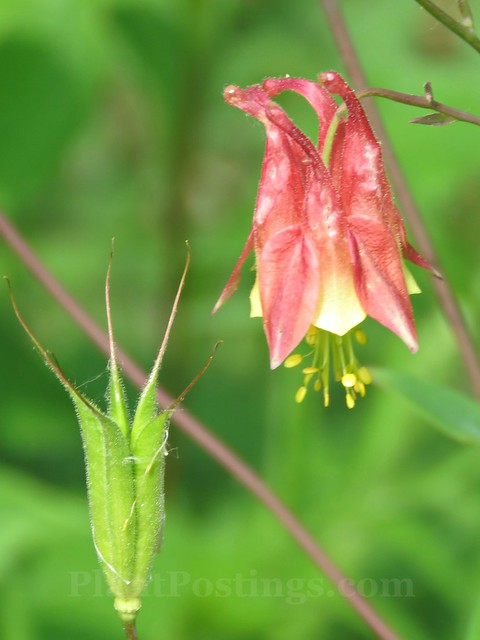
Aquilegia canadensis

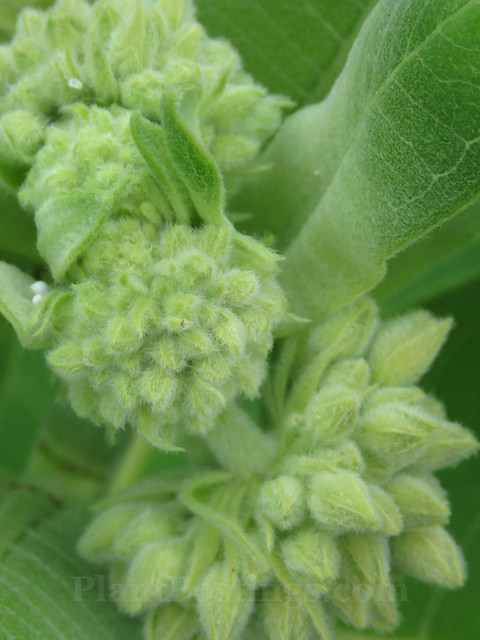
Asclepias syriaca
Asclepias syriaca (not blooming yet, but close and distracting with its fluffy, soft buds)

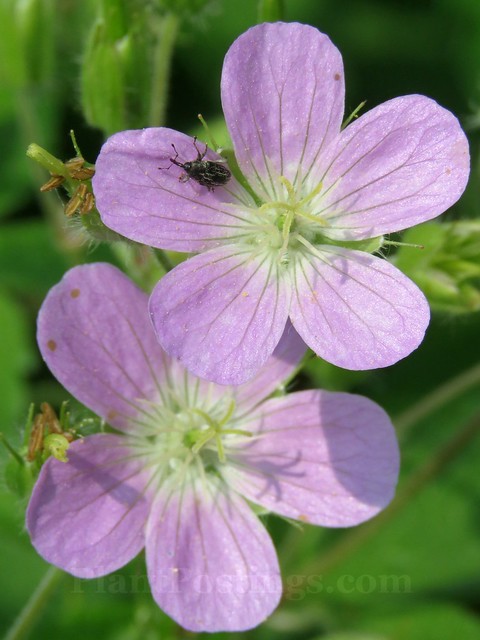
Geranium maculatum
Geranium maculatum

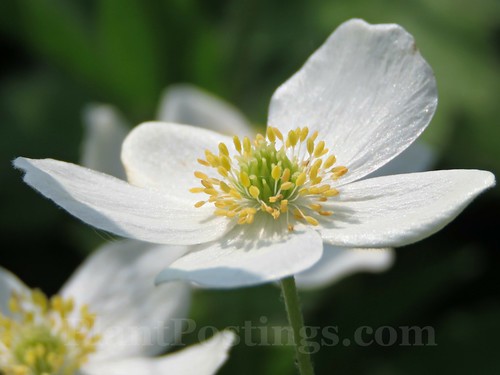
Anemone canadensis
Anemone canadensis

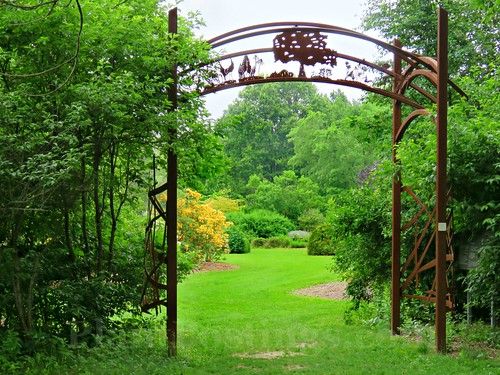
We also checked the plants in the horticultural garden.

horticultural garden

The Azaleas were bright and colorful.

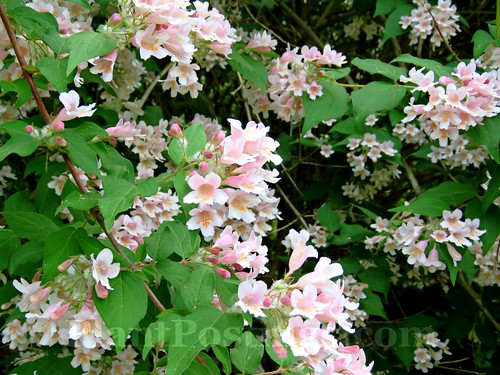
Kolkwitzia amabilis
Kolkwitzia amabilis

A giant Beauty Bush was covered in a profusion of pink.

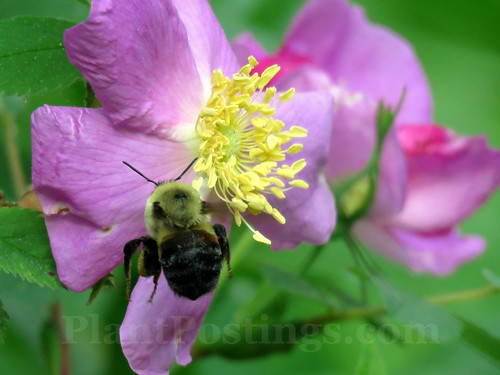
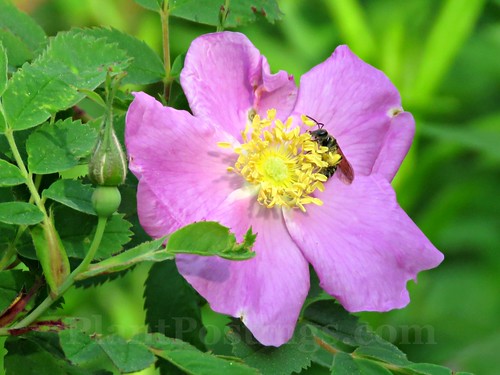
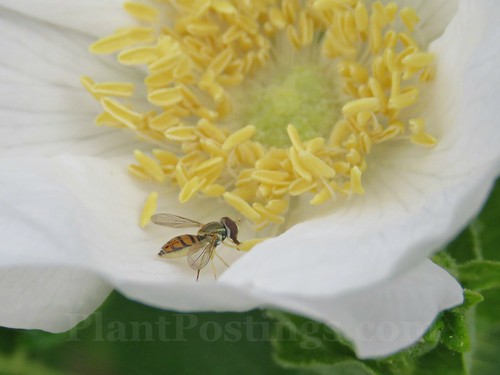
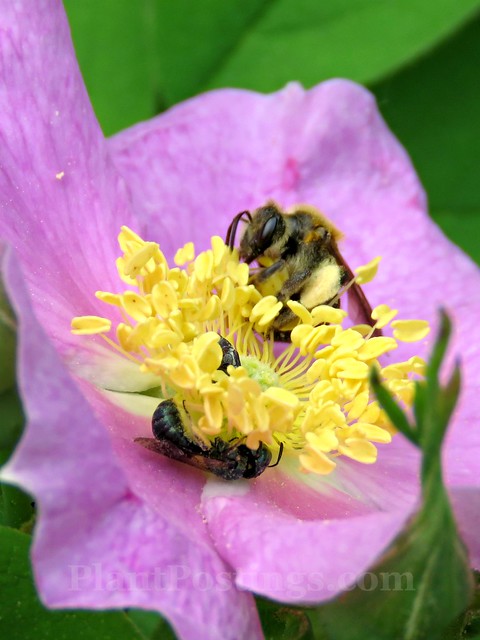
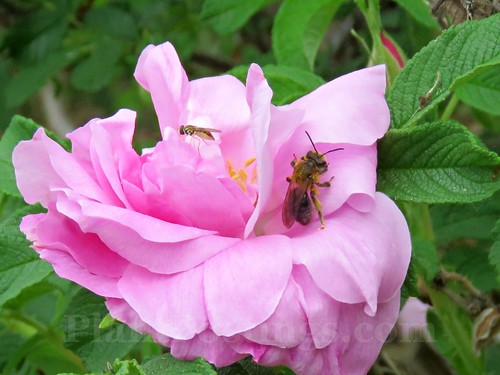
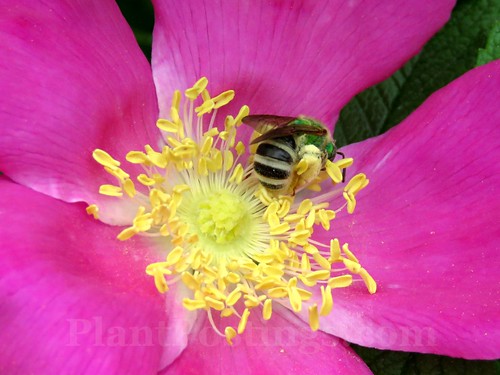
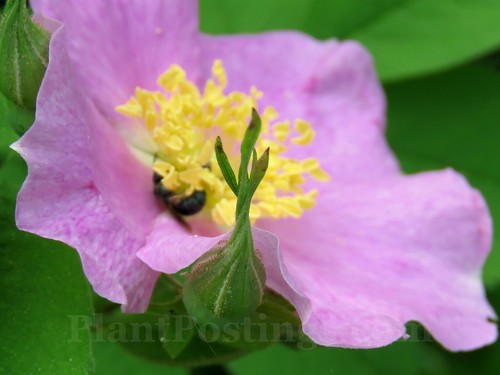
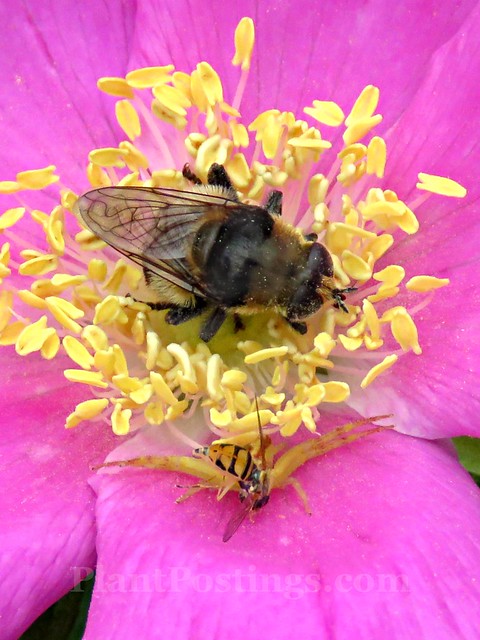
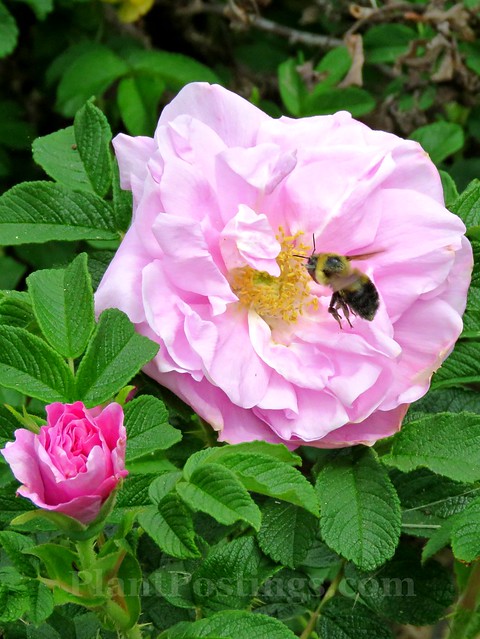
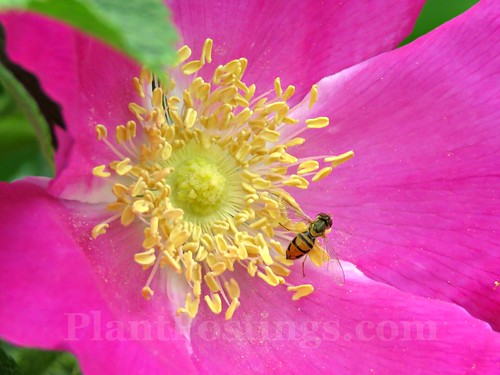
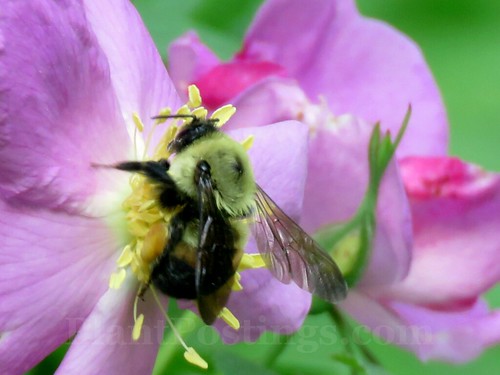
The most popular blooms for all the bees and pollinators we found were the roses--both the native Prairie Rose (Rosa arkansana), and the cultivated varieties. Most of the roses had one, two, three, and sometimes more pollinators, insects, and spiders visiting them at the same time. It was a party among the roses!

Rosa arkansana

Roses 8

Roses 4

Roses 9

Roses 11

Roses 3

Roses 10

Roses 7

Roses 6

Roses 5

Roses 1

Bee monitoring is such an important citizen science activity. To find out how to get involved in your area or online, contact The Xerces Society or Bumble Bee Watch.

I'll let you know when the television program airs.