July 20, 2014

Ask me a question about Door County, Wisconsin

andersondock

That's a dangerous invitation, isn't it? To encourage questions about a place for which I'm not an expert, and where I've simply vacationed. I don't live in Door County. But I've visited many times since the age of nine, and I'm happy to report it has not lost its charm and is still one of my favorite summertime destinations.

If you ask me a factual question, I'll answer with what I know (or I'll find the answer if I don't). If you ask about my impressions, I'll be happy to share those, too. 

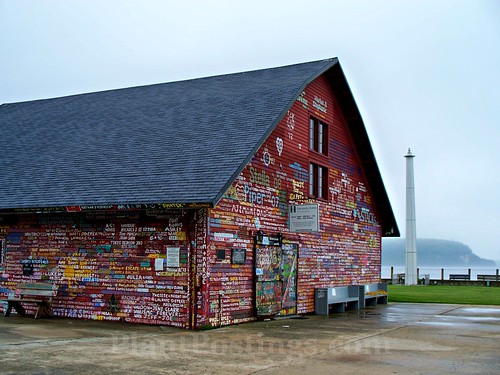
About a month ago, the fishman and I vacationed in Door County. We decided to stay in Ephraim, because of its quaint presence and its central location in the Door Peninsula. Anderson's Dock and pier (above), which houses non-profit The Hardy Gallery and is on the National Register of Historic Places, is a must-see for anyone who visits. Norwegian immigrant Aslag Anderson started the pier and was an influential early Ephraim settler.
geeseboats

Door County has been called the "Cape Cod of the Midwest," and if you visit both places, you'll understand why. A simple blog post can't cover it all. But here are some of the highlights:
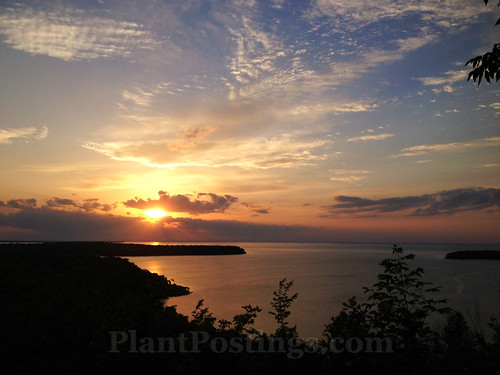
sunset

The sunrises over Lake Michigan and the sunsets over Green Bay (shown here) are spectacular. If you're in the right place at the right time, even a camera phone can adequately capture the beauty. This sunset greeted us on our first evening in Door County, at Peninsula State Park.
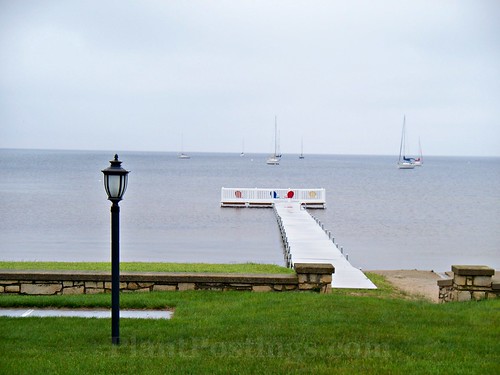
dock

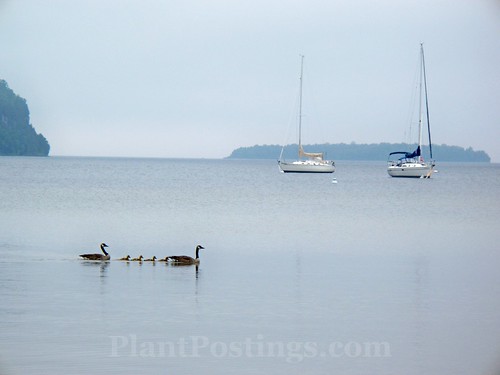
Ephraim sits at the edge of Eagle Harbor. There are historical sites throughout Ephraim, as well as shops, galleries, restaurants, and plentiful water and outdoor activities. Anywhere you walk or rest along the bay, you'll see sights like this.
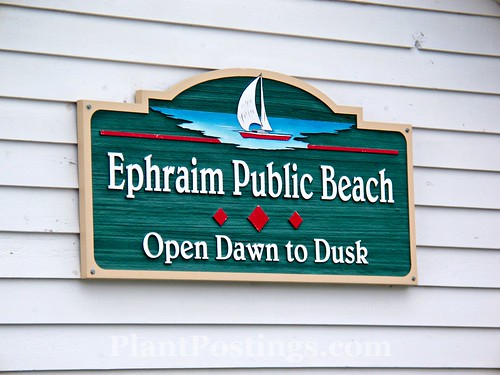
ephraimbeach

The beaches are clean, accessible, and lovely.
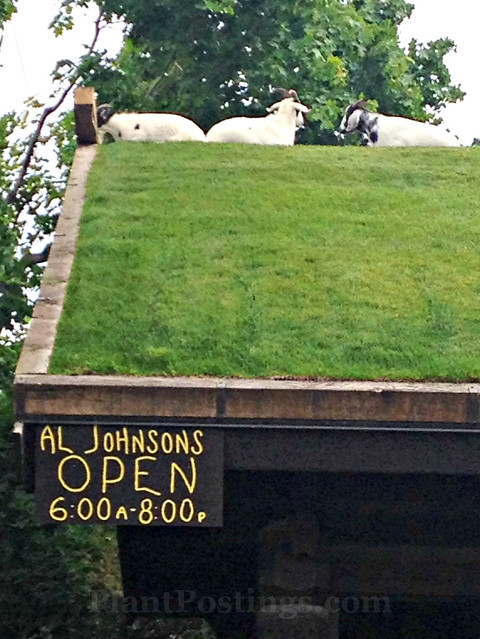
aljohnsons

But Ephraim is just one of several great destinations in Door County. Another place you have to see--most recommend the breakfast pancakes--is Al Johnson's restaurant in Sister Bay. Yes, those are goats on the roof! You can read more about them, and see the "goat cam" at this link.
seagulls

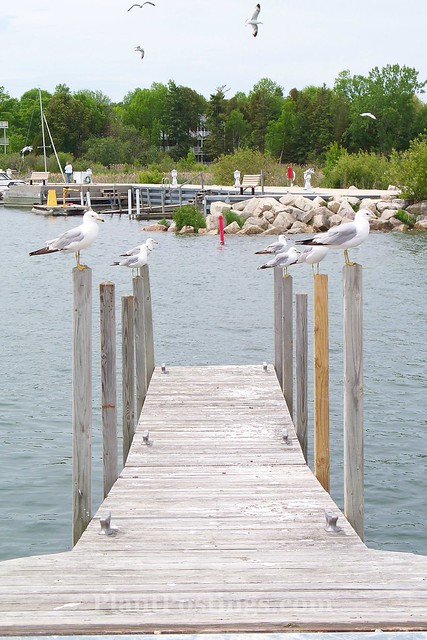
Ephraim and Sister Bay are on the bay side of Door County. Bailey's Harbor--another favorite, with a slightly different personality--has more restaurants, shops, great views, activities ... and, of course, seagulls. (At one point, there were seagulls on every post of this pier.)

Those are just a few of the great towns along the peninsula, and I have to say I love them all. Others will be featured in future posts. You can see a map of Door County destinations here.
wilsons

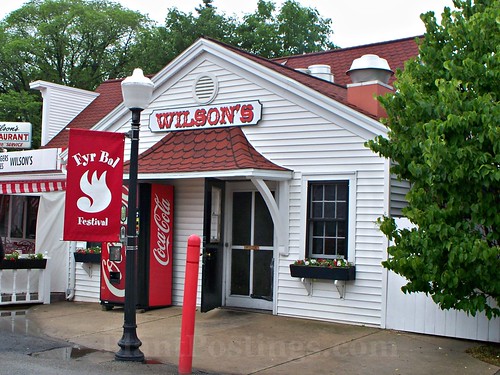
But back to Ephraim, because that's where we stayed during this particular vacation. Wilson's Restaurant has some of the best ice cream in Door County, and they're generous with the scoops!
fyrbalsign

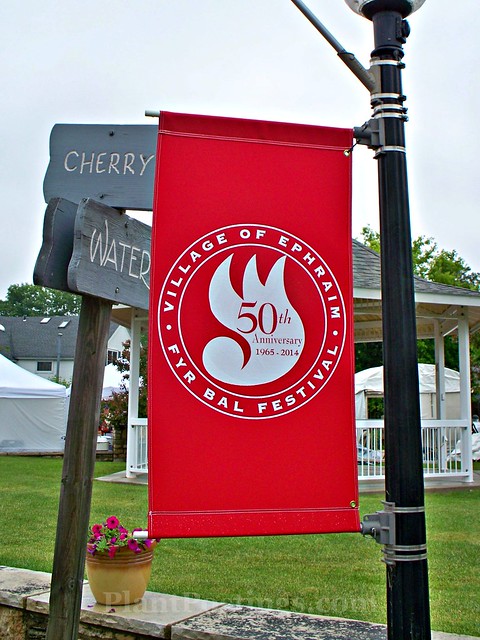
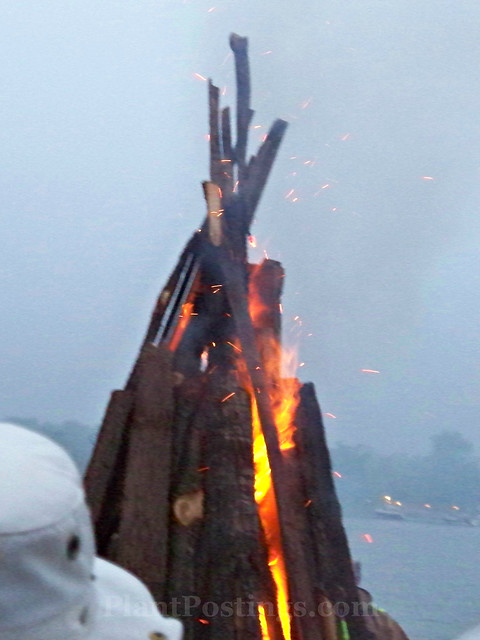
We were fortunate during this vacation to witness the 50th anniversary of Ephraim's Fyr Bal Festival. I'm told the Norwegian "fyr bal" roughly translates to fire (bal) beacon (fyr), or bonfire. (I didn't realize until later that this photo was taken at the corner of Cherry and Water Streets--two of the things Door County is famous for.)
fyrbal1

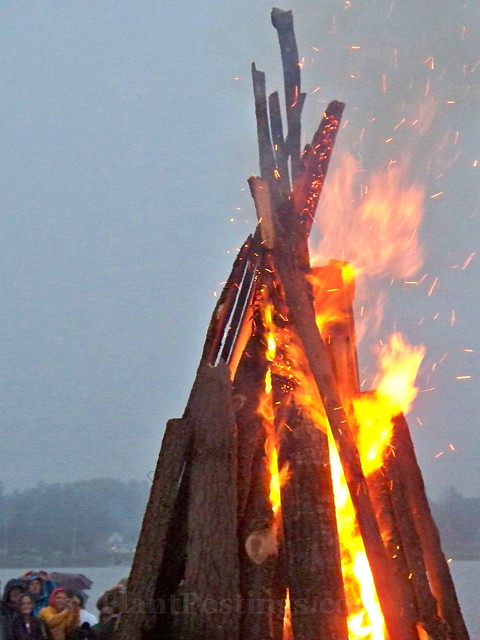
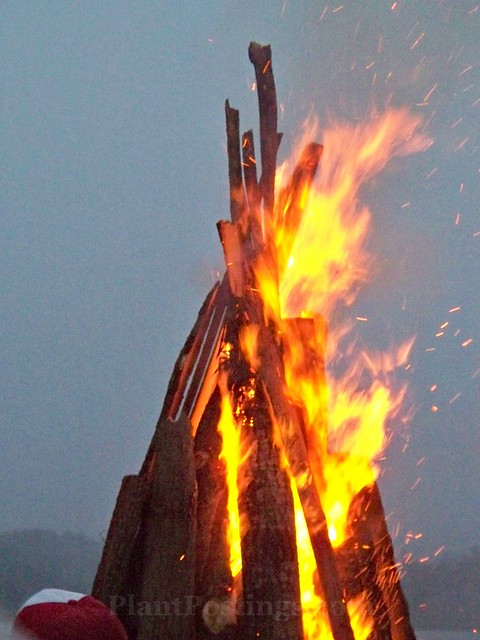
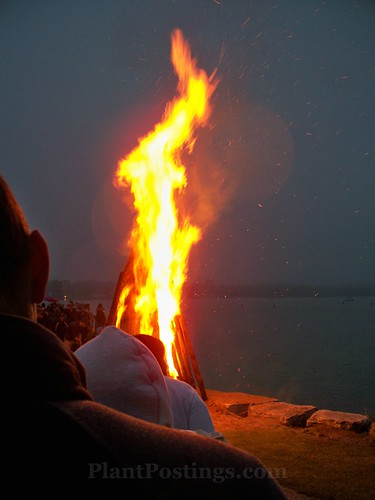
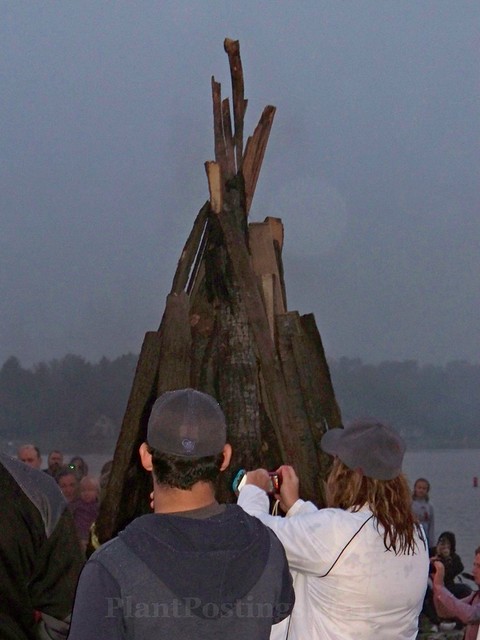
For the annual Fyr Bal Festival in early summer, bonfires are lit at dusk to signify the burning of the "winter witch" and the welcoming of summer. You don't have to be of Norwegian heritage (I'm not) to attend--it's a fun event for people of all backgrounds and ages.

This series shows the progression of the flames, ending with a view of numerous bonfires along the coast of Eagle Harbor:

fyrbal2

fyrbal3

fyrbal4

fyrbal5

fyrbal6

fyrbal7

It was truly a magical event--viewing all the people and numerous bonfires, close and in the distance, around the edges of Eagle Harbor.
cavepoint1

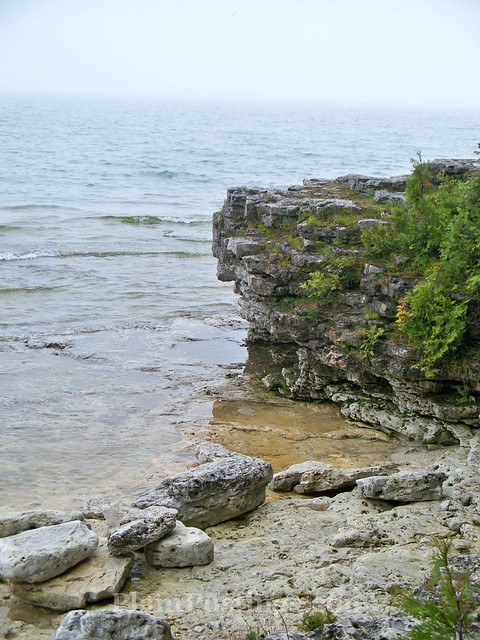
Another exceptional experience was our hike from Cave Point County Park, and then through the woods along the Lake Michigan shoreline, ending at Whitefish Dunes State Park. The photo above shows where we started, and yes--it's common practice to walk on the flat rocks out into the lake around that large limestone ledge. (Water shoes or waterproof hiking gear recommended.) It's not as scary as it looks, and the views around the corner are spectacular.
cavepoint2

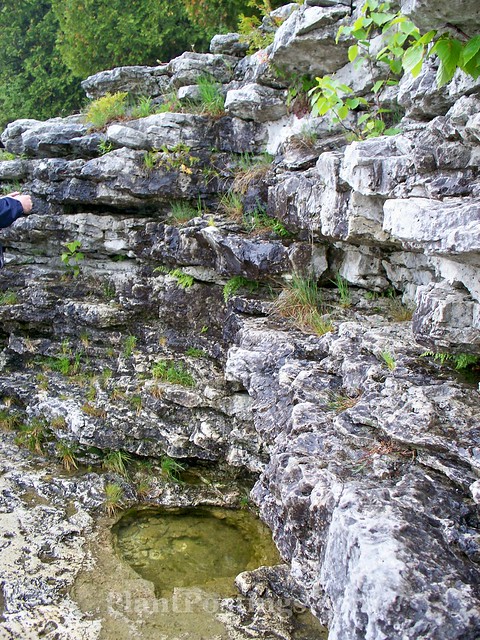
The rock formations, including the ridges and kettles, are fascinating to study. This is part of the Niagara Escarpment, which stretches from New York State, up and over Lakes Huron and Michigan, through Door County and eastern Wisconsin.
cavepoint3

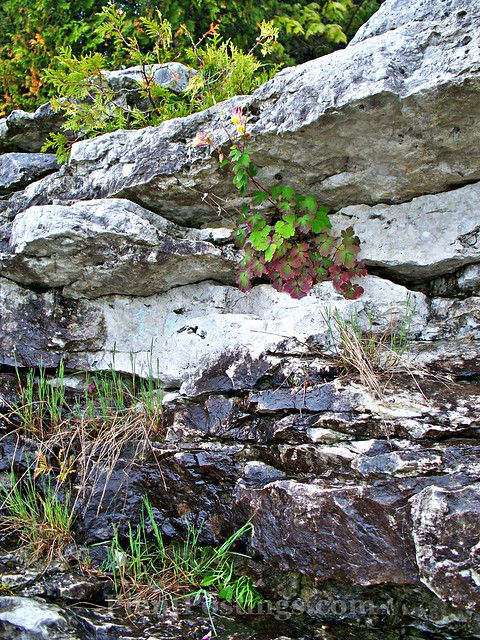
I'm always amazed at how plants, like this Columbine (Aquilegia canadensis), cling to crevices and find a way to survive.
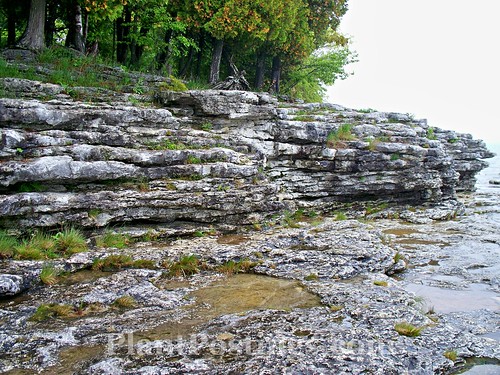
cavepoint4

With forest on one side, Lake Michigan on the other, and rock formations down the middle, the views are stunning.

cavepoint5

Some of the freshwater next to the limestone: I think it's blue/green because the water is so clean and clear that the color is vibrant as it reflects the sun.
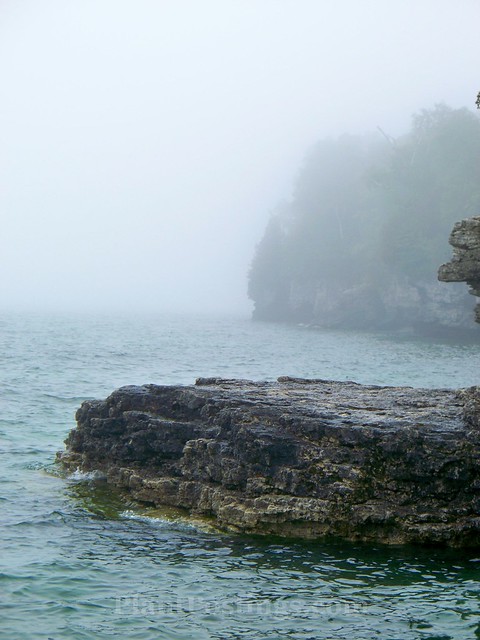
hike1

Speaking of sun, it was in and out of the mist and fog, the day we took this hike. As we left Cave Point County Park, we meandered to and fro as we walked toward our destination. We ventured out toward the lake along the way.
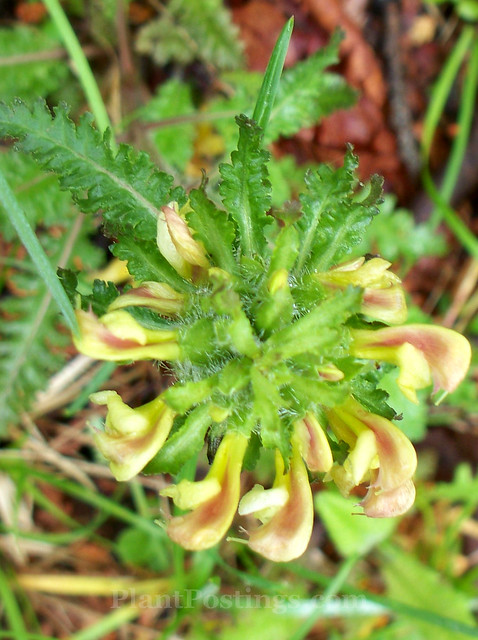
hike2

And back into the forest to see blooming plants like this Wood Betony (Pedicularis canadensis).
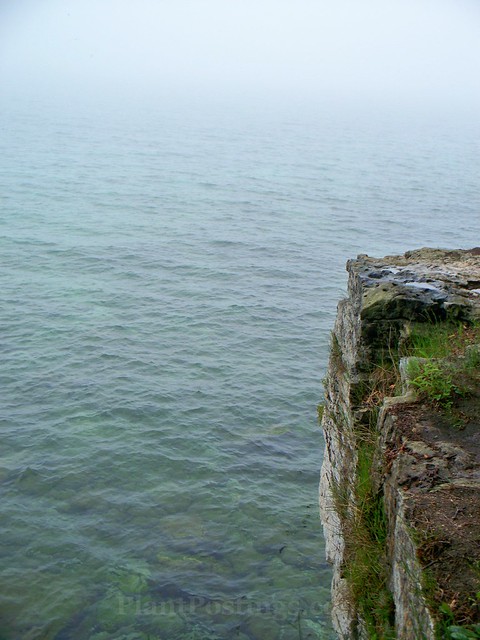
hike3

More stunning views of the land ... meeting the water ... meeting the sky.
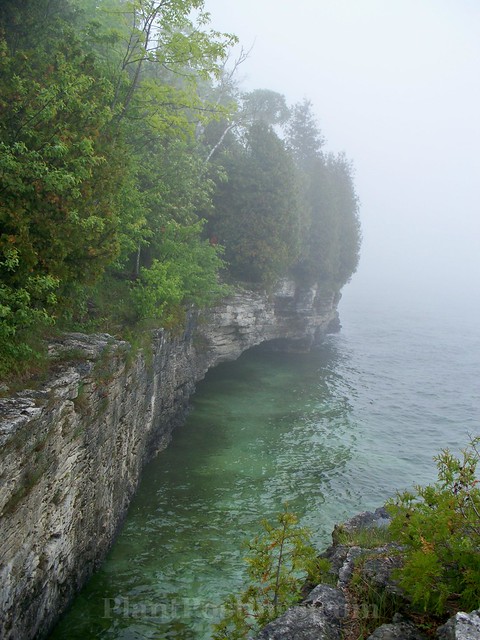
hike4

This particular view took my breath away. You can see the cave formations under the limestone bluffs.
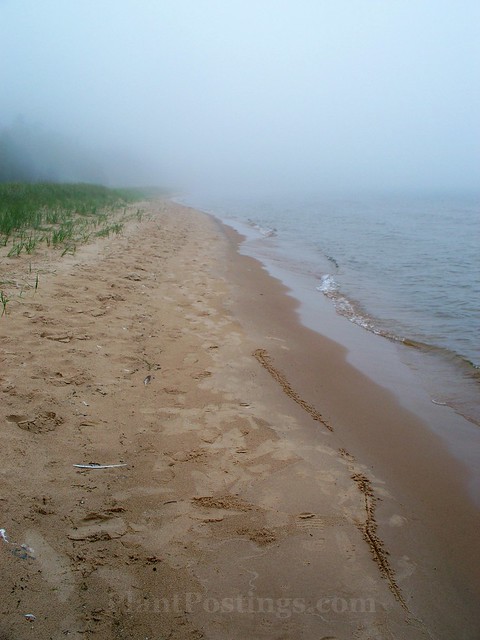
whitefishdunes

And our destination: Whitefish Dunes State Park--one of my all-time favorite places in Door County! On a warm summer day, this three-mile-long natural sand shoreline is covered with people. But on this particular unseasonably cool June day, we had the beach to ourselves!

The entire vacation was a great getaway. And now, after reliving it through photos, I can't wait to get back!
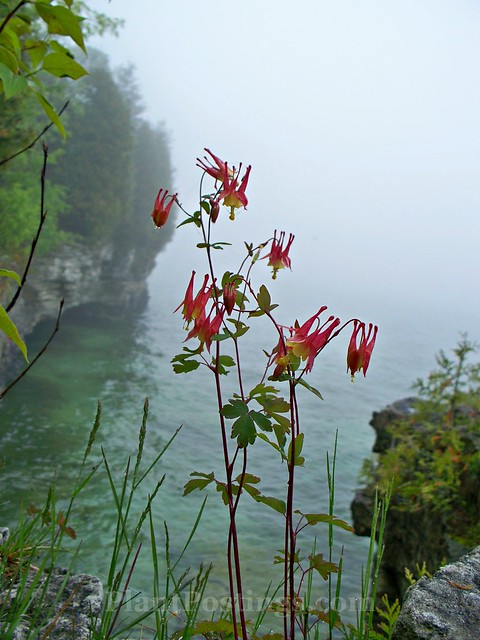
hike5

July 15, 2014

July 08, 2014

Tree Following: The Shady Shagbarks

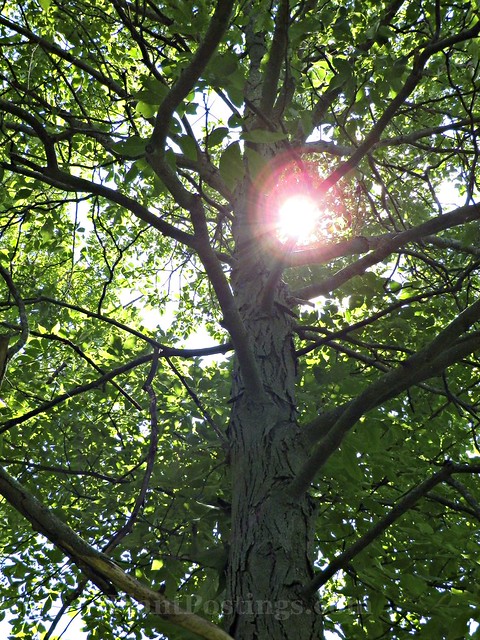
sun

It's the height of summer and our Shagbark Hickories (Carya ovata) are saving us money on our air-conditioning (A/C) bill.

I'm joining Loose and Leafy's "tree following" meme each month with updates on our twin Shagbark trees.

This is the time of year when they really earn their keep! I rarely turn on the A/C anyway, until temperatures hit about 85F/30C and higher. But fortunately, we've been hovering around 80F/27C for several weeks--which is perfectly comfortable in my book. It's fabulous to have the windows open, with fresh air pouring in!

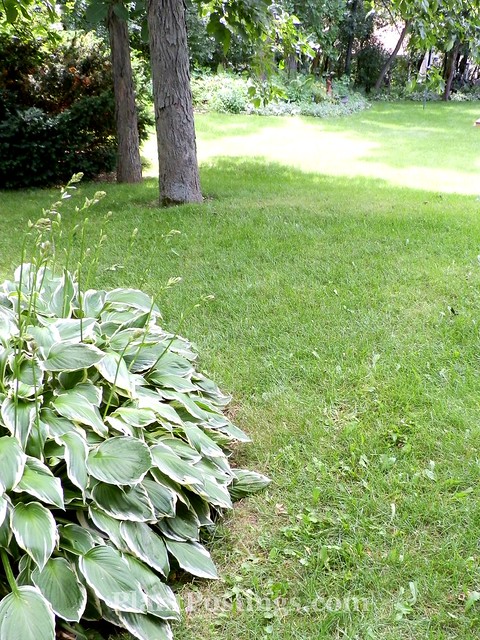
shade

The Shagbarks help, no matter how hot it gets. The other day, I walked from the sunny west-side potager to the shade of the Shagbarks, and the temperature seemed to drop about 10 degrees! Their patch of ground provides deep shade for humans, other mammals, birds, and other critters.

Other observations about the Shagbarks in July:

moss and lichen

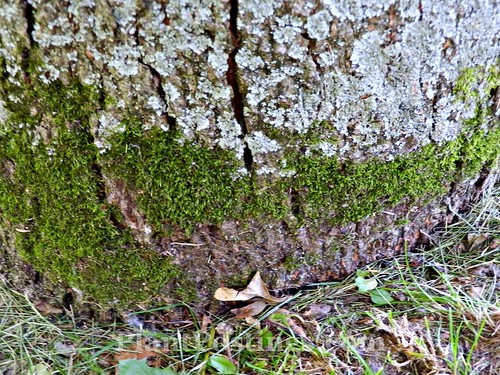
It's true what they say about moss: It does, indeed grow on the north side of the tree. There's a bit of moss on the other sides, but a very healthy patch on the north. The tree bark also has a healthy coating of lichens.

sawflies

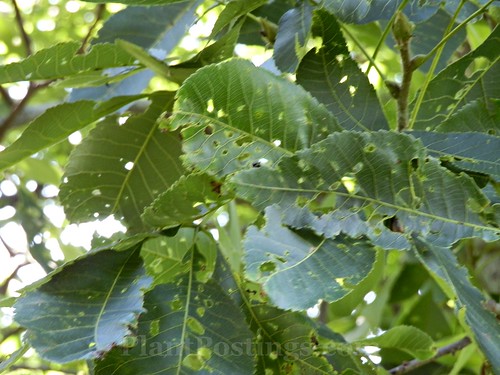
Earlier in the growing season, I noticed there were holes in some of the leaves. I don't believe the infestation has gotten any worse, but the leaves are now larger and the holes are bigger. The leaves are never perfect, but they seem a little more affected this year. I'm pretty sure it's a sign of sawflies. I'm monitoring it, but my understanding is that the trees should be fine if we don't have repeated infestations. I'll try some organic treatments of the soil around the trees--where next year's larvae will hatch.

leaf

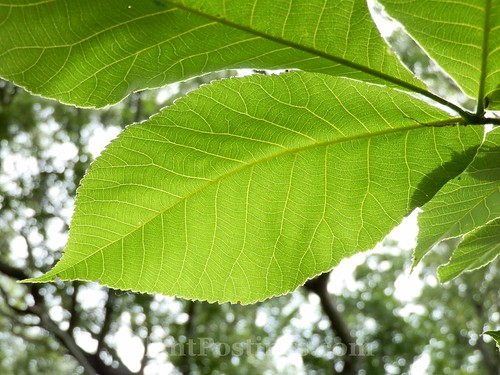
Many of the leaves are near-perfect: Catching the sun in their capillaries and carrying on the miracle of photosynthesis.

nuts

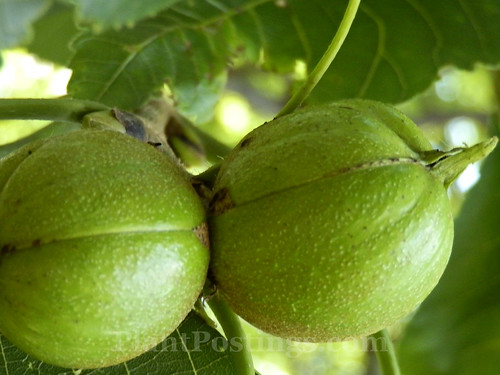
Hickory nuts--a definite hit with our resident squirrels--are forming. I'd estimate these are about one inch in diameter at this point.

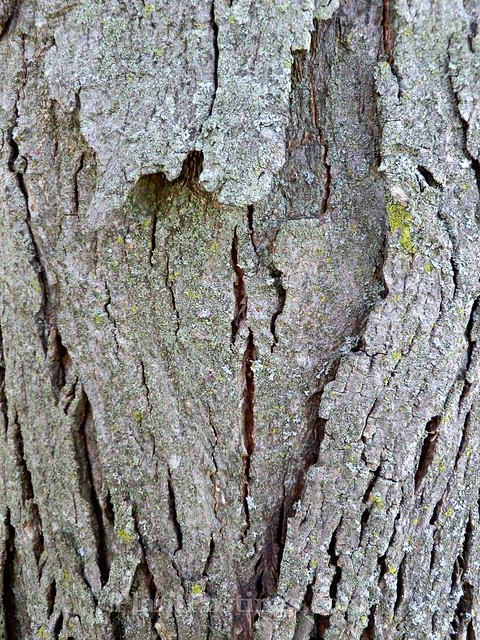
heart

The bark is as interesting as ever. The heart shape that I've included in previous posts is now aging and splitting, and I'm starting to see other shapes (maybe a good post for next month).

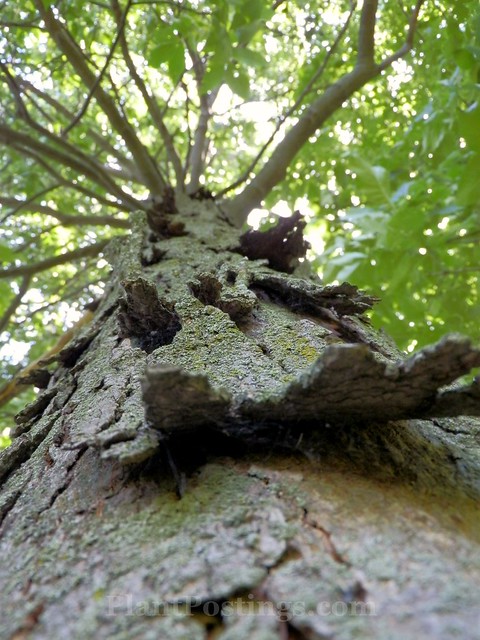
bats

Is there a bat up there? Indiana and Little Brown Bats often use Hickories for daytime roosting. (Check out the link: It's fascinating!)

All in all, the Shagbark Hickories are looking good. Plenty of moisture, warmth, and sunshine should help them recover from 2012's drought and last winter's polar vortex. Their deep taproots (several feet deep, depending on the soil) protect them from both extremes, but also make them difficult to transplant.

To learn how other bloggers' trees are faring this July, visit Lucy at Loose and Leafy. Happy tree following!

July 03, 2014

Bouquets for my dear friends and gardeners

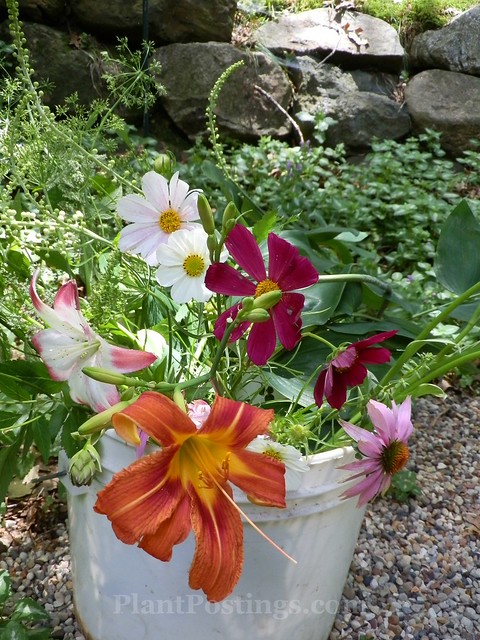
bucket

I'm on flower duty this weekend at church. A group of us take turns supplying flowers throughout the summer. I try to use flowers from my garden as much as possible.

Not all flowers are good cut flowers, and I wasn't sure I'd have enough workable ones for three floral arrangements this weekend. (Soon I'll have so many, I'll call people up to please take some!) The garden's in a bit of a transition now, between late spring to summer blooms.

Still, after checking the garden this morning, I found plenty to add to the mix of blooms I used last week.

Here are the flowers and fillers I found (all should last several days in a vase):

lily
An unknown Lily hybrid (Lilium spp.). Not perfect, and in my haste to clip off the pollen-laden anthers, I accidentally clipped the stamen, too. Oh well, it will still add color to the bouquet.

iris
Bearded Iris foliage that I needed to clip anyway. It's a great foundation element.

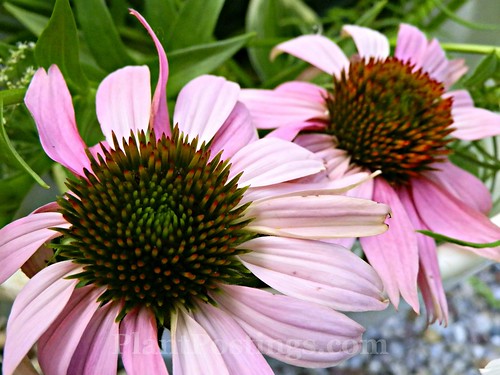
echinacea
Purple Coneflowers (Echinacea purpurea), just starting to bloom.

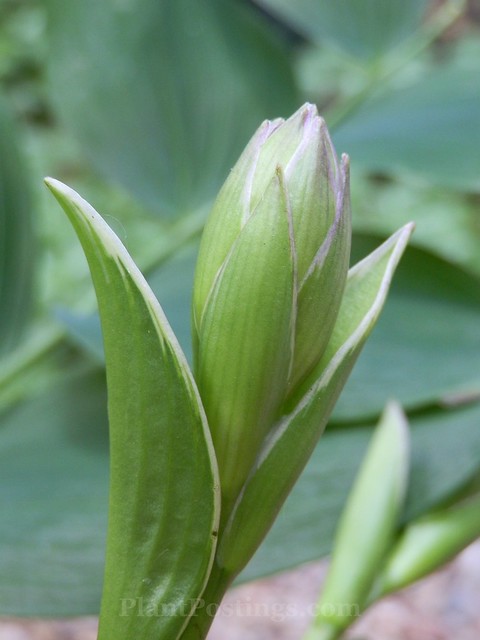
hosta
Hosta flower buds. Yes, the stems with buds, and later the flowers work well in arrangements.

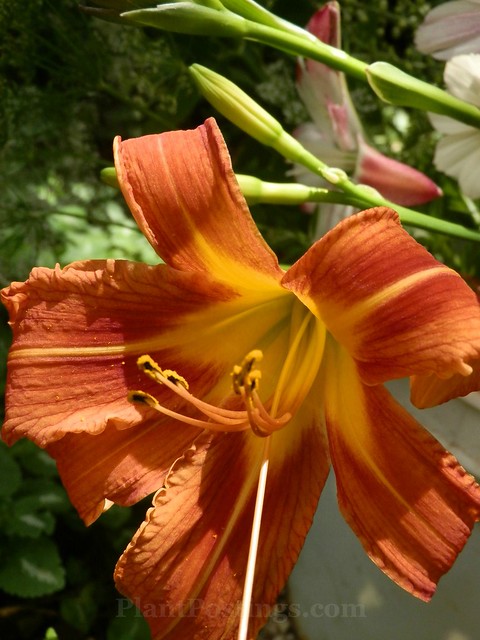
daylily
Ditch Lilies (Hemerocallis fulva). I know, I know, a lot of people don't like this one. But it works well in arrangements, even though each bloom only lasts for one to two days.

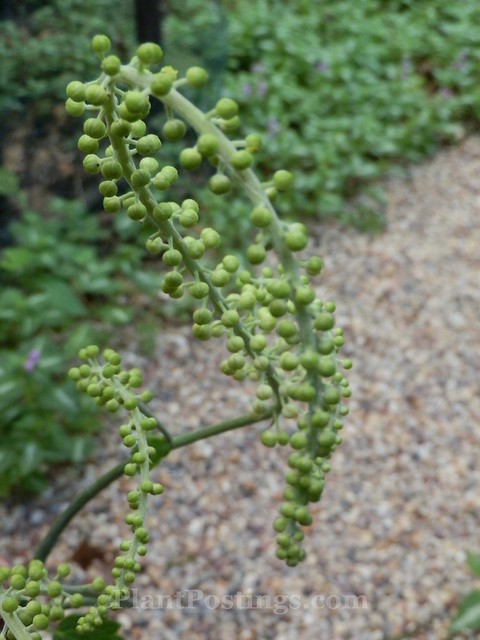
bugbane
A Bugbane (Cimicifuga racemosa) stem that got pummeled so much by the wind that it curled and contorted. Hmmmm ... could be interesting in the floral arrangement.

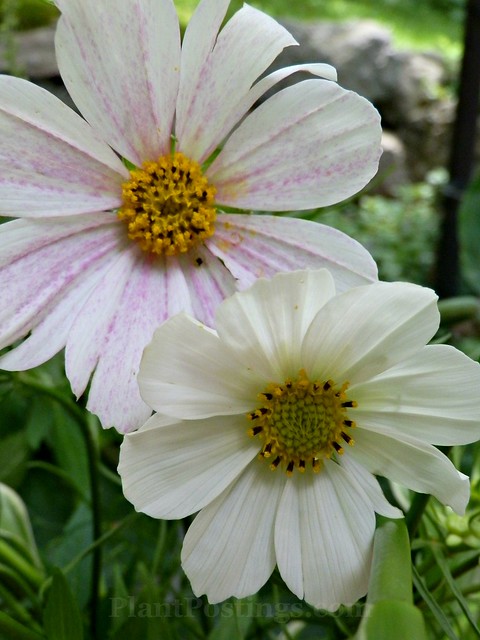
cosmos
One of my favorite annuals, Cosmos (C. bipinnatus), also just starting to bloom in my garden. They'll be prolific until the first hard frost in October.

aegopodium
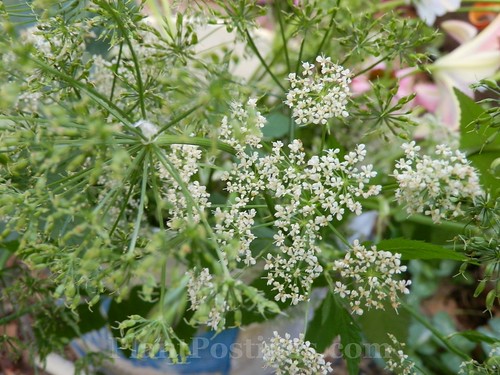
Feathery flowers and seed heads from Snow-on-the-Mountain (Aegopodium podagraria). This ground cover is a little too prolific, but we're mostly keeping it under control. In the meantime, the flowers work well as filler in floral arrangements.

solomon
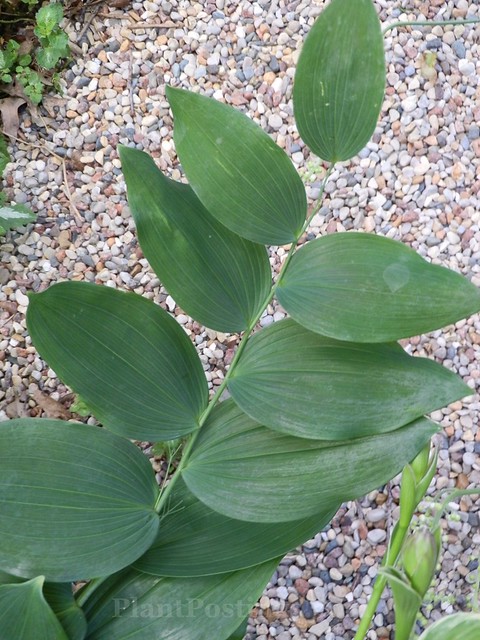
Solomon's Seal (Polygonatum biflorum), which I didn't end up using, but thought it might come in handy. I have way too many of these, and need to give some plants away next spring.

Not all of the blooms are perfect, but little tucks here and there make for pleasant combinations with the flowers from last week.

sides

The two side arrangements are made from mostly store-bought flowers.

main

The bigger arrangement incorporates mostly blooms and foliage from my garden.

Throughout the rest of the summer, I'll have plenty each week to fill bigger bouquets.


For more ideas on how to grow (and use) your own vegetables and flowers at home, visit this "dear friend and gardener" link.

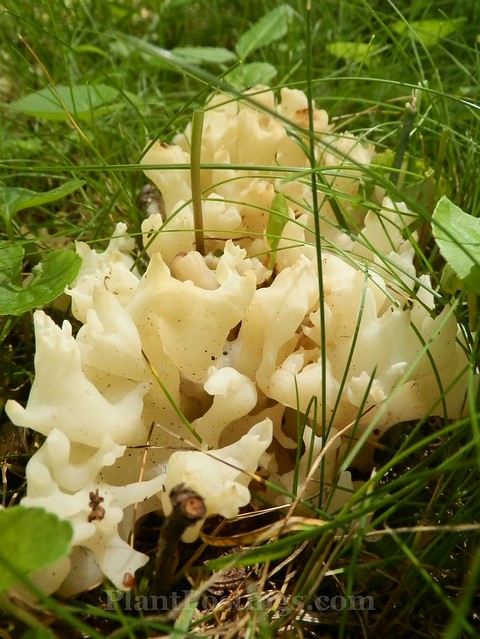
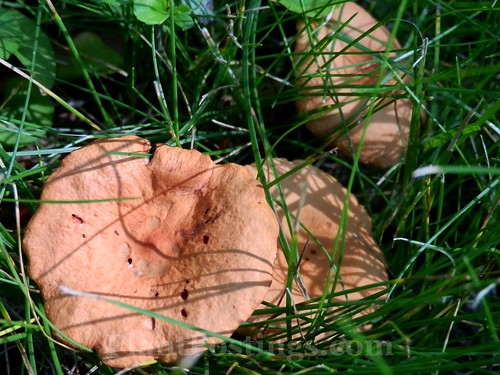
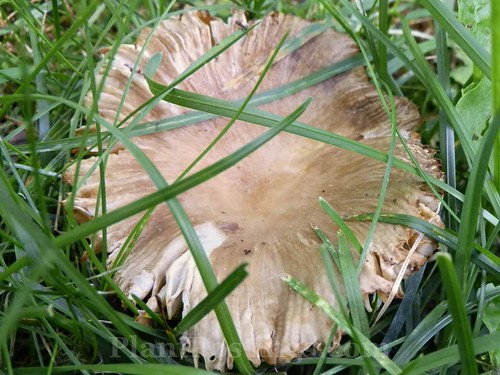
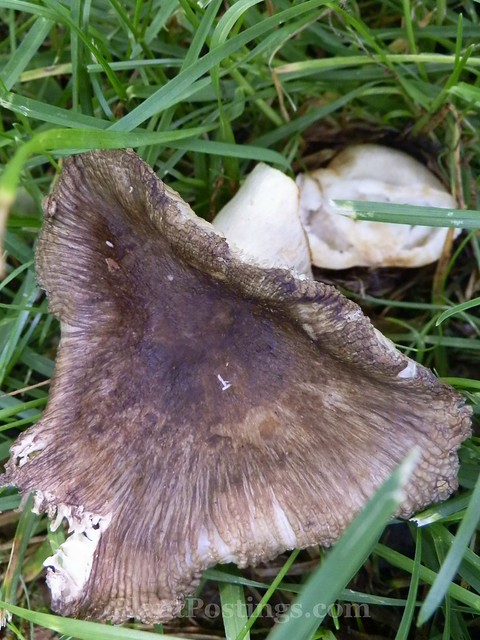
Oh, and for all you mycologists out there, check out all these nifty fungi I found in the garden while gathering flowers. We've had a lot of rain lately, and I managed to snap some photos before the fishman mowed the lawn.

fungi1

fungi2

fungi5

fungi3

fungi4

That last one seems to be popular with the resident squirrels. I've seen them eating this mushroom. I don't feel confident to eat any mushrooms beyond morels, but I wonder if this one is edible for humans, too?

Happy Independence Day to my American friends! And to everyone else: Enjoy the World Cup!