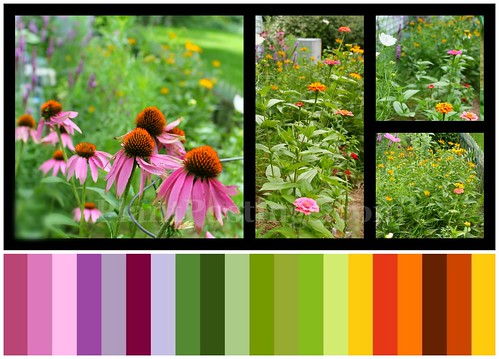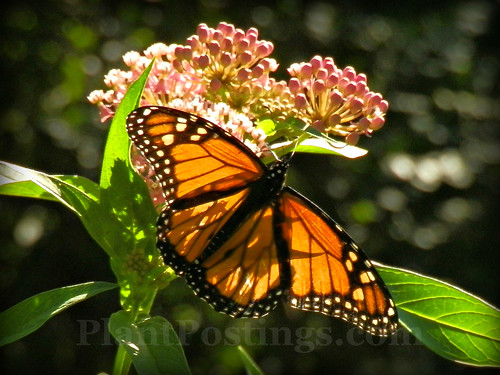
Showing posts with label Milkweed. Show all posts

April 10, 2026

Almost Time for Garden Planting!

crocus

The main color in this post is green, so I'm starting with a photo of colorful Crocuses from last week. The little beauties are just about done now, so it's on to the next phase—celebrating the plants that need warmth.

In the meantime, I thought it would be fun to include an update on the seedlings I started in the sunroom in March. Our last frost date is in early May: Soon, I'll need to harden these babies off before planting.

dahlias

First we have the mixed Dahlias. They're doing well; I'm so thrilled!

california poppies

The California Poppies (Eschscholzia californica) are happy and dancing.

milkweeds

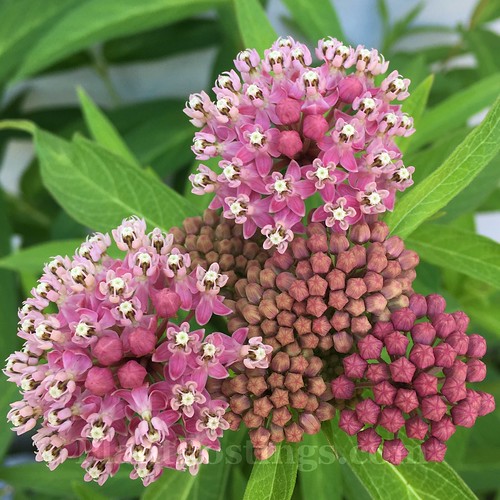
The three Milkweed species (Asclepias spp.) took a bit longer to emerge, but they're making progress now.

hollyhocks

Oh, and 'The Watchman' Hollyhocks (Alcea rosea) look healthy, too.

zinnias

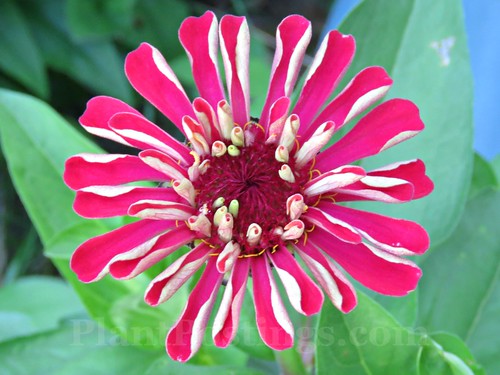
'Zowie' and 'State Fair Mix' Zinnias (Z. elegans) are always reliable.

callas

Finally, I'm celebrating the Calla Lilies (Zantedeschia spp.) poking through the soil! Now the race is on to fast, colorful blooms.

That's my "Six" for this week, with extra flowers at the start. Thanks to Jim at Garden Ruminations for hosting "Six on Saturday"!

September 17, 2019

The Late Bloomer

IMG_5012

Can you see it?

IMG_5013

How about now?

IMG_5010

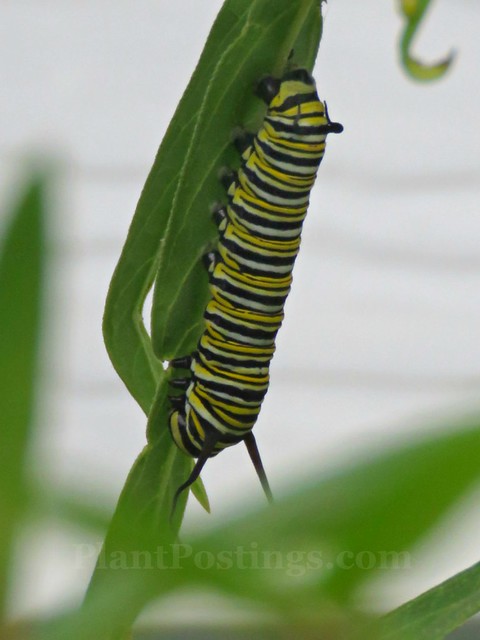
Yes, that's right; it's a monarch caterpillar. I believe it's a fourth instar, which means it probably has about a week left as a caterpillar, and then about two weeks in its chrysalis. This would put it at about the second week of October for its flight to Mexico.

This is not unheard of here at the 43rd parallel, but this little buddy is definitely a late bloomer. Hopefully, the weather will cooperate to give it warmth and cooperative winds for a successful journey south.

IMG_5011

My neighbor is a teacher, and I gave her three other caterpillars for her classroom, which the students named Jeffrey, Gus, and Spike. I also handed off this little guy/gal: I wonder what they'll name it?

Stay tuned: I'll keep you posted on the progress of Jeffrey, Gus, Spike, and the late bloomer.

UPDATE:
  • Jeffrey was indeed a male (there was discussion of renaming him Jennifer Lopez if a female, but no need). RELEASED
  • Gus was a female, so her full name is Augustina. RELEASED
  • Spike was a female and was set free in front of all the 4th and 5th graders at the school. RELEASED
  • The late bloomer, named "Youngblood" by the students, formed its chrysalis on Monday, 9/23. Female. RELEASED, 10/7--before the cold weather set in.

July 15, 2018

Bright Blooms of July

butterflyweed
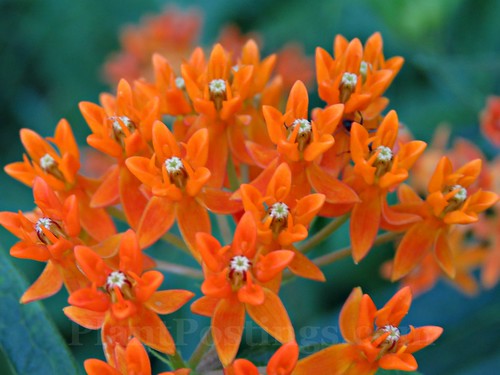
Butterflyweed (Asclepias tuberosa)

The fiery colors of summer and their complements on the opposite side of the color wheel take center stage in July. On this Garden Bloggers' Bloom Day, Butterflyweed is waning (though still vibrant), while other blooms in the sunny cutting garden/potager are peaking. Here are the highlights:

echinacea
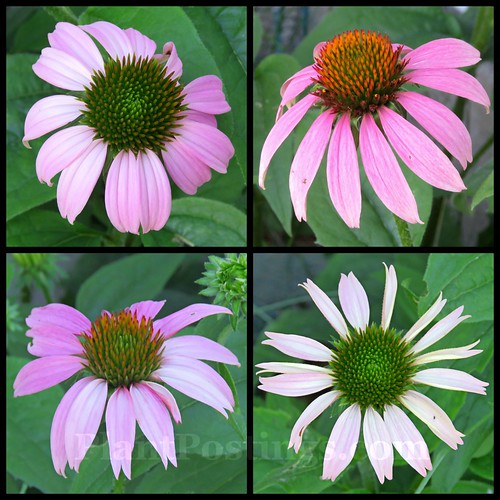
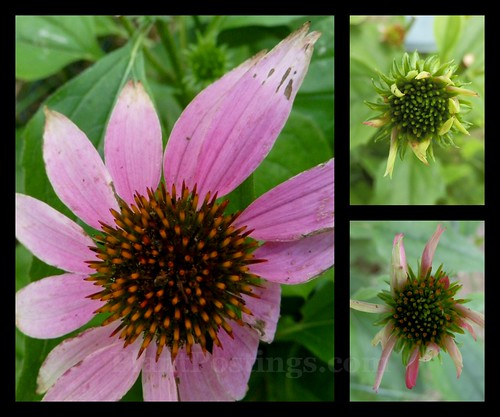
Coneflowers (Echinacea purpurea) (so pretty in all it's forms)

rudbeckia
Black-Eyed Susan (Rudbeckia hirta)

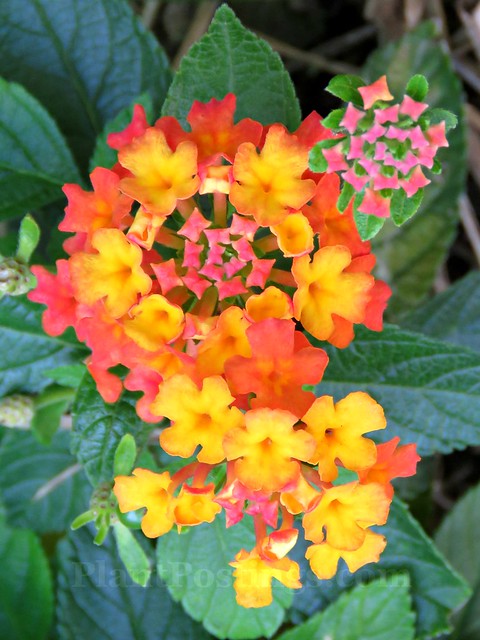
lantana
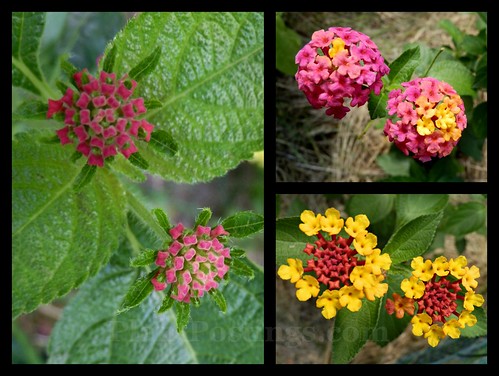
Lantana (L. camara)

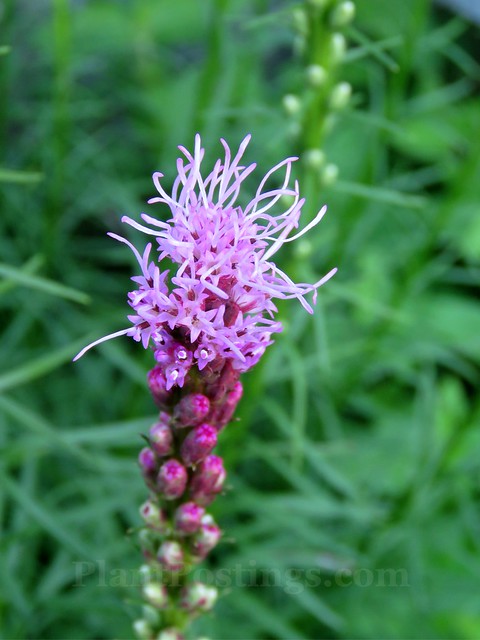
liatris
Blazing Star (Liatris spicata)

alliums and mistflower
Drumstick Allium (A. sphaerocephalon) layered with Blue Mistflower (Conoclinium coelestinum) (which will be covered with blue flowers in late summer into fall, after the alliums have faded)

state fair zinnia
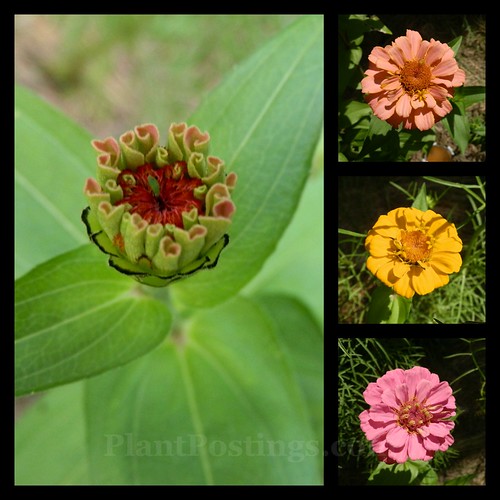
'State Fair Mix' Zinnia (Z. elegans)

zowie zinnia
'Zowie! Yellow Flame' Zinnia (Z. elegans)

salvia
'May Night' Salvia (Salvia x sylvestris)

tithonia
Torch Tithonia (T.  rotundifolia) (now blooming, but I really like the buds, too)

swamp milkweed
Swamp Milkweed (Asclepias incarnata)

sensation mix cosmos
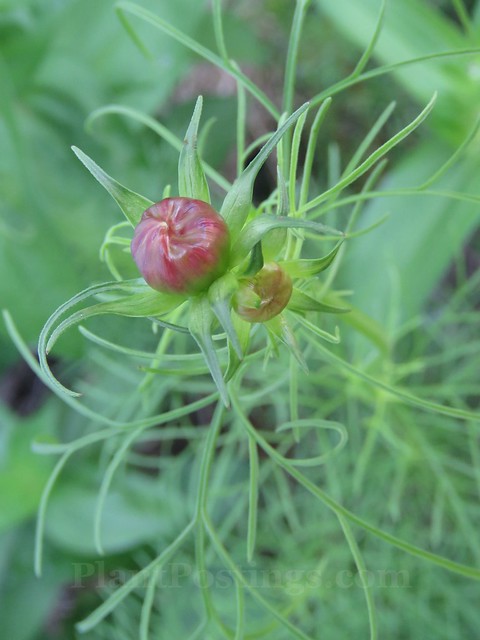
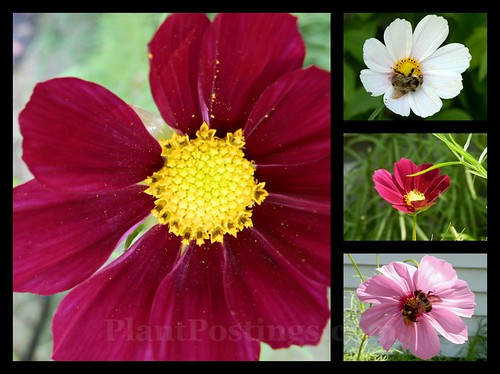
'Sensation Mix' Cosmos (C. bipinnatus) (again, the buds are as fun as the flowers)

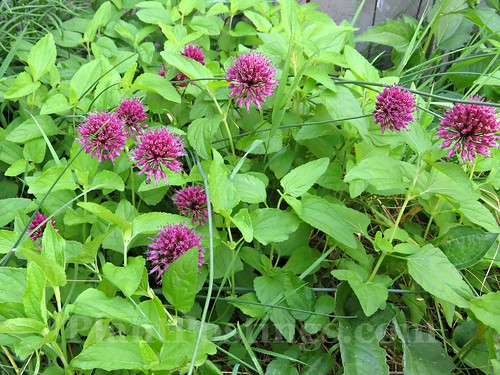
blue vervain
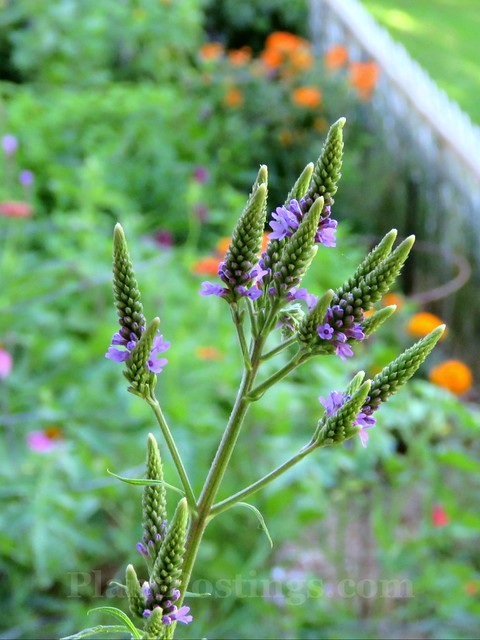
Blue Vervain (Verbena hastata)

tomatoes
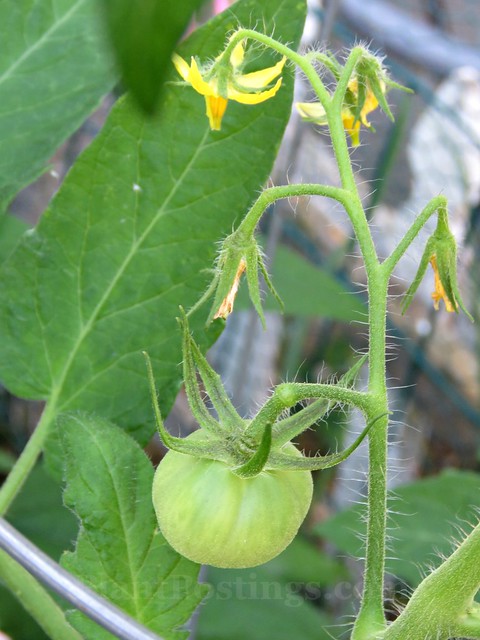
Tomatoes and flowers (thank you, pollinators)

The bees, spiders, butterflies, and other garden visitors are welcome here, and the flowers bring them in! What's blooming in your garden?

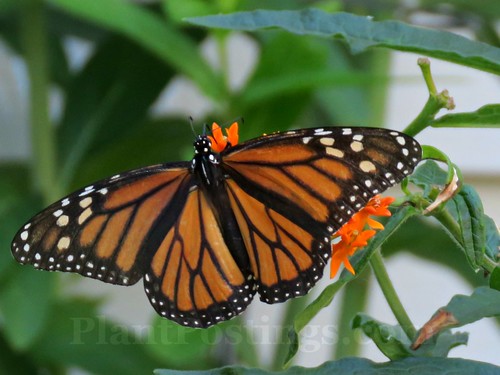
monarch on butterflyweed

I'm linking this post to Garden Bloggers' Bloom Day at May Dreams Gardens. Head on over to see what's blooming in gardens around the world.

May 16, 2017

What Do You Think of When I Say
The Word 'Milkweed'?
(And a Giveaway)

monarch male

When you think of Milkweed, what do you envision?

The plant growing in concrete cracks at the abandoned lot down the street? The “weed” your dad made you pull all summer long between rows of corn at the farm? Something that will spread all over your garden?

By now, most North Americans (and particularly gardeners) are probably aware that Monarchs are in peril for a host of reasons. And Monarchs need Milkweed (Asclepias spp.), which is their “host” plant ... but what does that actually mean?
caterpillar

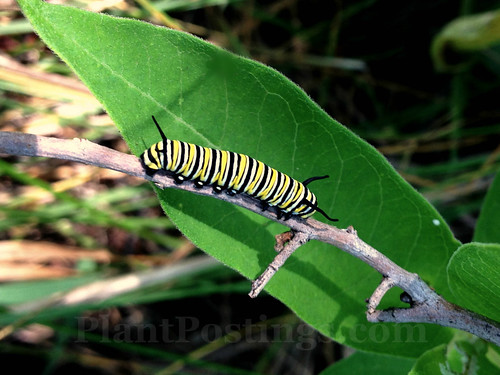
It means Monarch larvae—the caterpillar stage—can only eat Milkweed.

But when someone says, “Monarchs only eat one plant,” that’s a little misleading. First, adult Monarch butterflies can nectar on a wide range of flowering plants. And second, while their baby caterpillars can only eat plants in the Milkweed family (Asclepiadaceae), that’s quite a selection!
mix

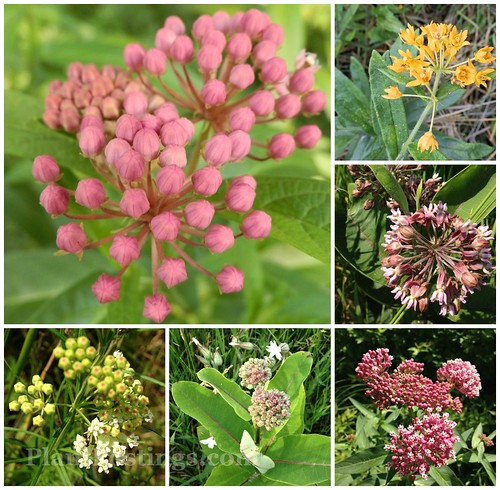
Did you know there are more than 140 species of Milkweeds native to the Americas? Every state in the U.S. has a wide selection of native Milkweed plants. All of them are garden-worthy in the right setting, in the right garden, and in the right climate and ecosystem. In cold climates, many of us even grow some warm-climate species as annuals.

Milkweed does not have to be a messy plant. As with any plant or group of plants, you, the gardener, can choose where you want to place it. Some Milkweeds even grow beautifully in pots. And the various species come in all shapes, sizes, and colors. Some species wander more than others. If you don't want it to spread by seed, you can harvest the pods to give away or grow more plants in a different location.

Here are just a few Milkweed species native to my state and much of the Midwest:
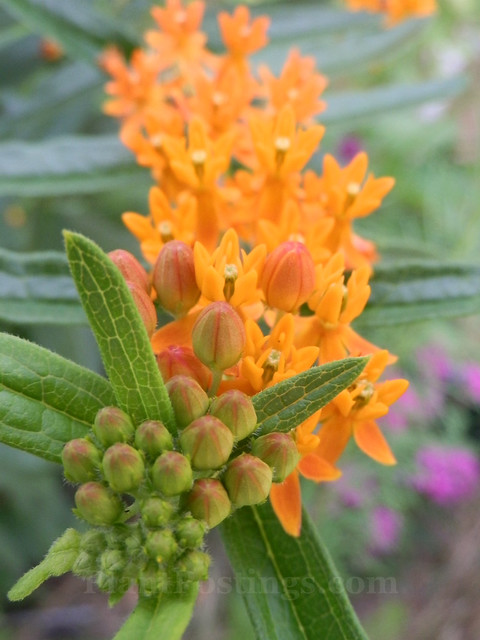
butterflyweed
Butterflyweed (Asclepias tuberosa)

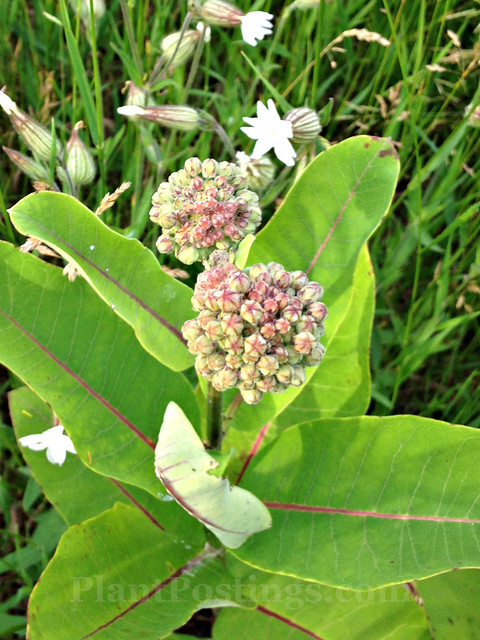
common
Common Milkweed (A. syriaca)

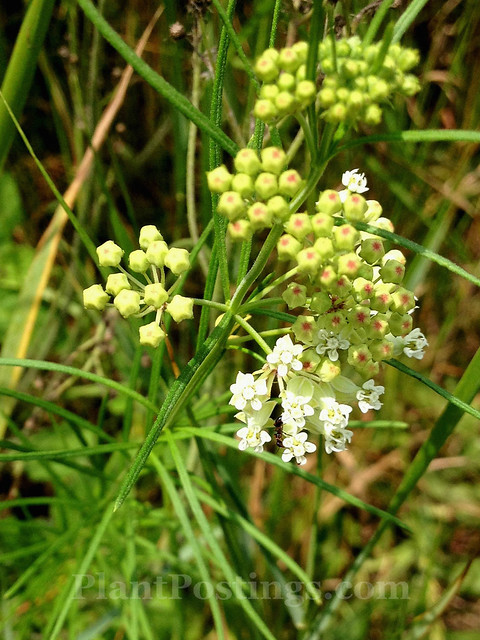
whorled
Whorled Milkweed (A. verticillata)

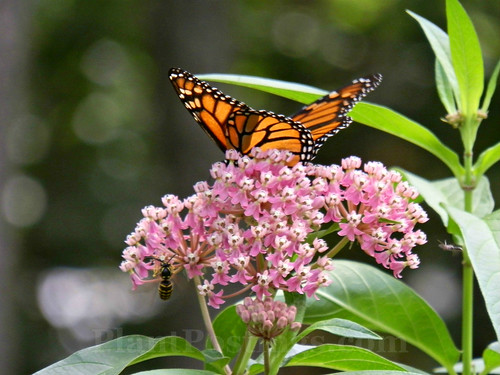
swamp
Swamp Milkweed (A. incarnata)

In addition, while there are valid reasons to avoid growing tropical species where they aren't native, they often work well as annuals in cold climates like mine. Many grow fast from seed, and they die with the first killing frost. Here are two examples:
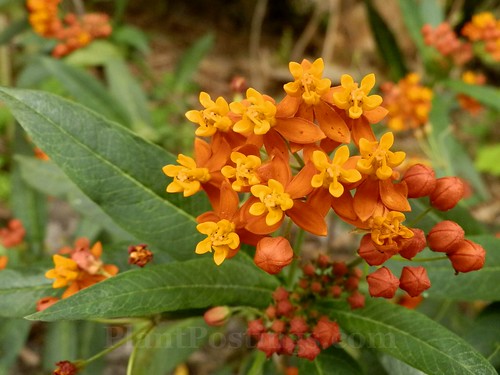
tropical
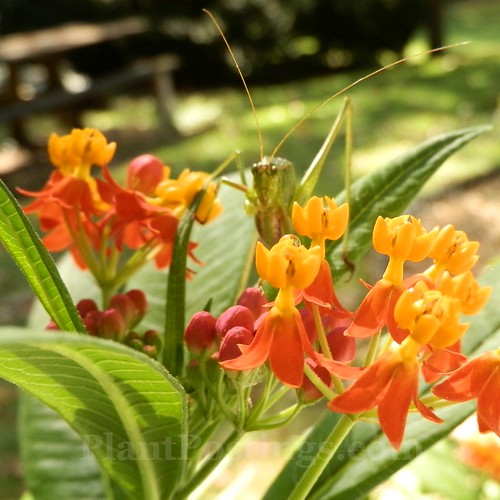
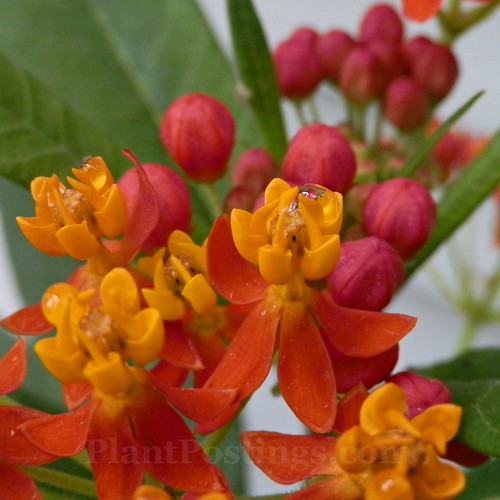
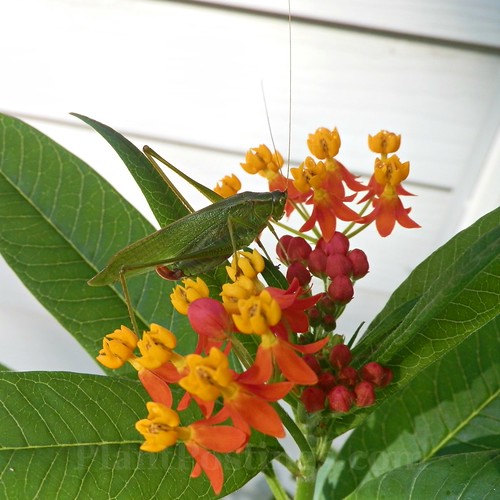
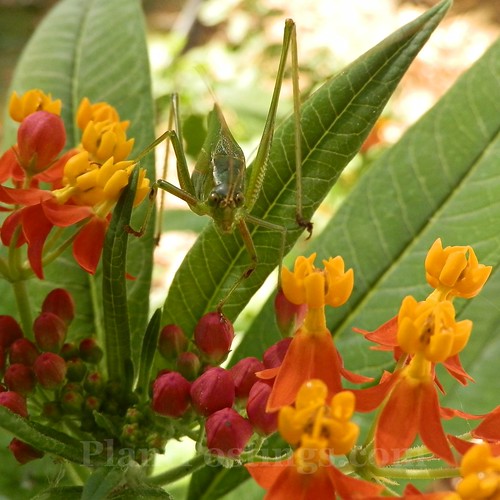
Tropical Milkweed (A. curassavica)

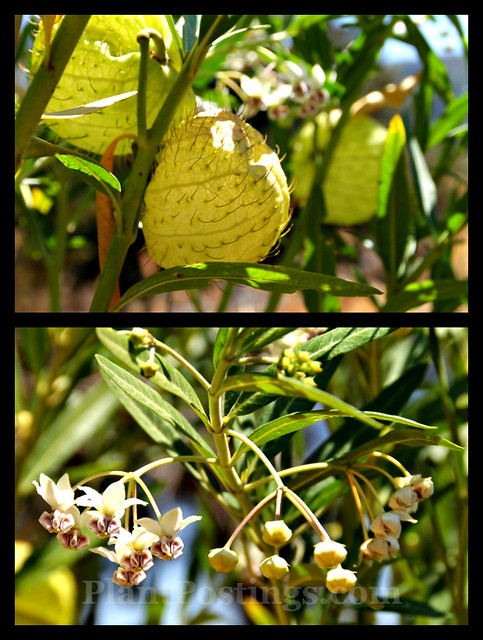
swan
Swan Milkweed (Gomphocarpus physocarpus, formerly Asclepias physocarpa)

So, the next time you hesitate to add Milkweed to your garden, think about the Monarchs. Remember, Milkweed isn’t just “one plant,” rather, it’s a family of plants. Add a few to your garden to help the Monarch population recover.

An added note: Make sure any Milkweed you plant is pesticide-free. Plants treated with pesticides will be harmful to the caterpillars, butterflies, and other pollinators. If you see a tag with wording similar to, “This plant is protected from _____ and other unwanted pests by Neonicotinoids,” don't buy it. Purchase from an organic grower, or ask your plant supplier if their Milkweed has been treated.

Some of you know that I recently traveled to the Monarchs’ overwintering sites in Mexico with my friend, Kylee Baumle, who is a garden author and self-taught expert on the Monarch (Danaus plexippus). To celebrate the release of her book and the new gardening season, I’m giving away one copy of Kylee’s book, “The Monarch: Saving Our Most-Loved Butterfly.” (Kylee includes great information on various Milkweed species.) All you have to do is leave a comment here, on the PlantPostings Facebook page, or send me an email at plantpostings[at]gmail[dot]com. I will draw a random name and announce it with my next post. Good luck!

***************

Note: I’m taking a short break to get some plants in the ground, move some around, and tend others that need a little TLC going into the gardening season ahead. See you on the other side of the break!

August 14, 2015

Color Swatches and Late Summer Blooms

happiness

It's Garden Bloggers' Bloom Day, and the vibrant, summer colors rule in my USDA zone 5 garden. Even the white Cosmos with their touches of pink and their yellow centers brighten their spaces, attracting pollinators with accessible nectar and pollen.

milkweed collage

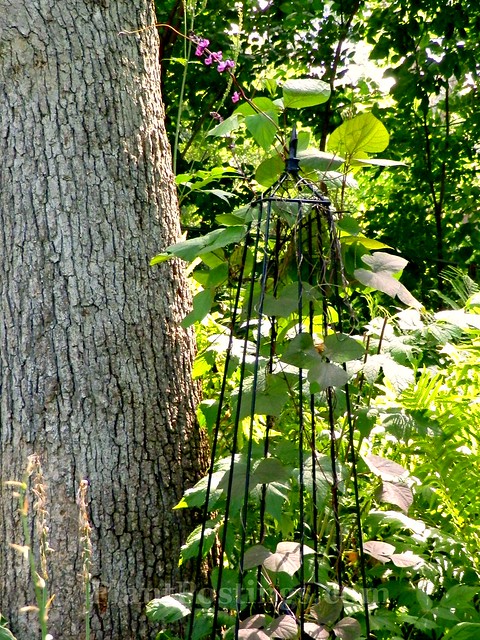
Swamp Milkweed (Asclepias incarnata), is the star of the "part shade" back garden, attracting butterflies, bees, and hummingbirds.

obelisk

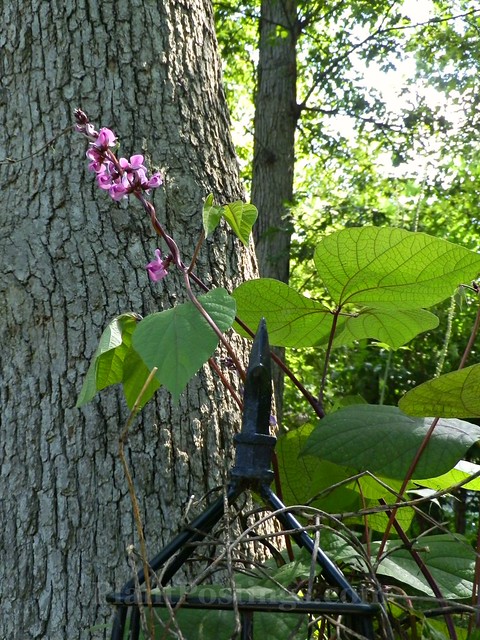
Hyacinth Bean vine (Lablab purpureus), is filling its obelisk.

obelisk top

Its blooms are strong and colorful at the top--where the hummingbirds like to hang out.

hummer snacks

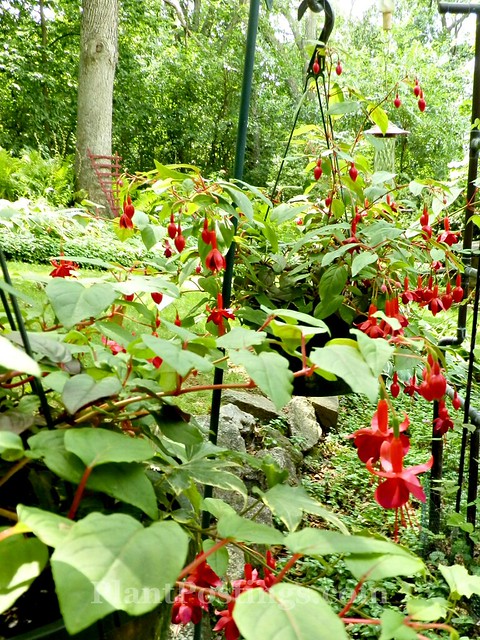
Hummers also flutter around the two hanging baskets of Fuchsia 'Marinka' lined up next to a feeder.

Moving on to the tiny sun garden ...

caged sunflower

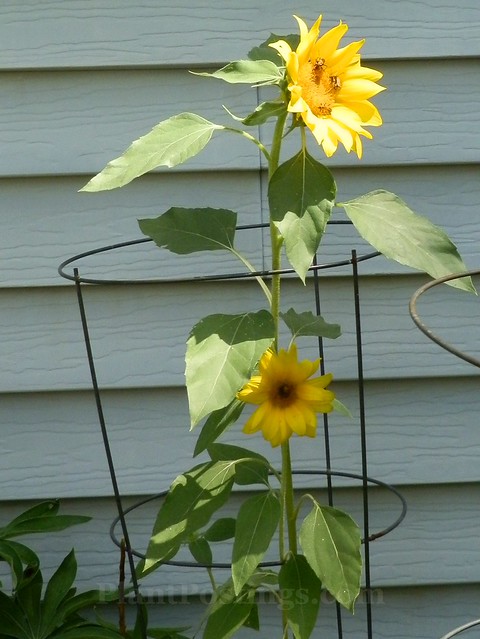
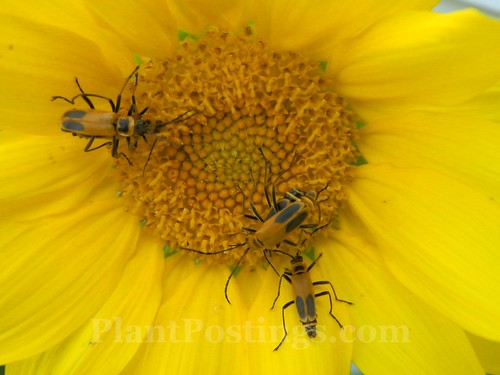
Embarrassingly, I can't recall the cultivar of this Sunflower (Helianthus spp.), but it's a nice size and very pretty. It started from seed planted directly in the soil in May; it's now about four feet tall.

party

Definitely a popular hangout for pollinator shenanigans (shown here: Goldenrod Soldier Beetles).

rudbeckia

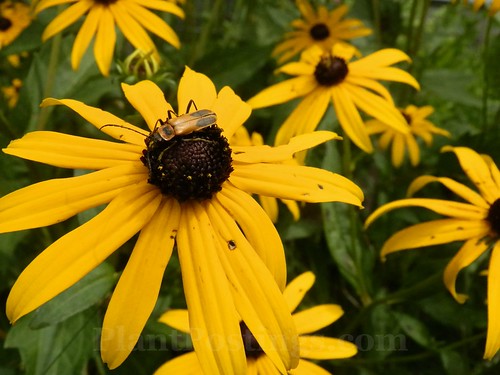
The Black-Eyed Susans (Rudbeckia hirta) attract them, too.

pentas

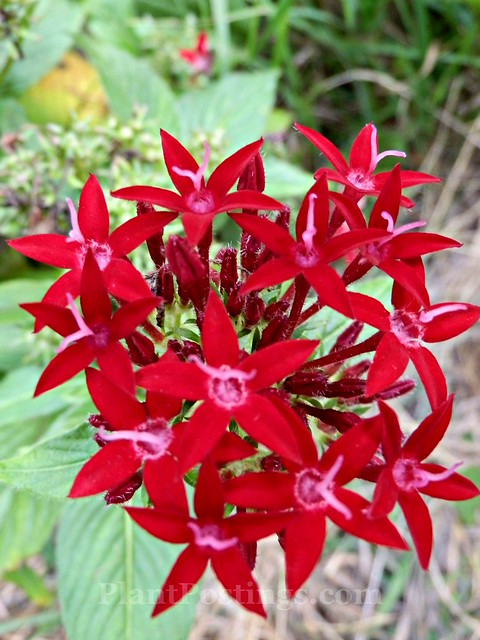
The jury's still out for me with Pentas (P. lanceolata 'Graffiti Red Lace'). I think it might be the color--just a little too red, so it clashes with other flowers in this garden (I love red flowers, but not in this location). I'll probably opt for purple or pink next summer.

potted

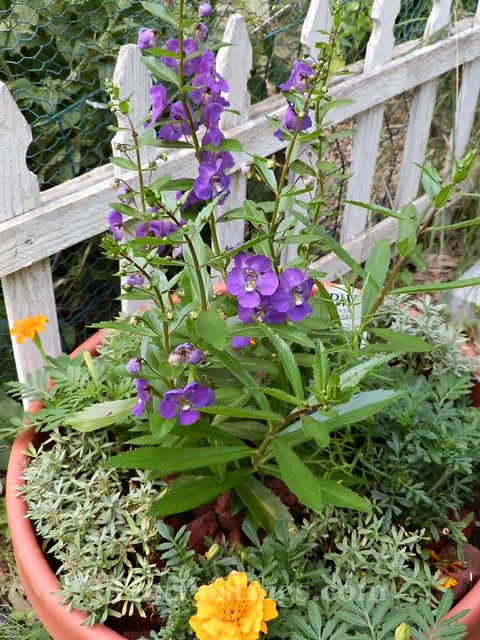
I love the Marigold/Angelonia combination. And both keep blooming all season long, even as the Alyssum is dormant during the heat of the summer.

butterfly seeds

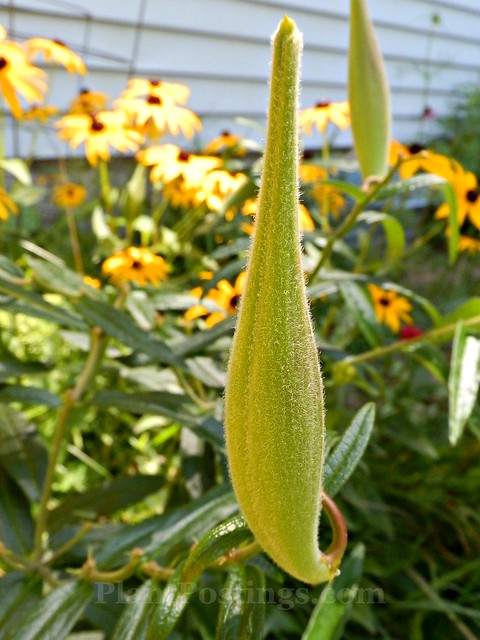
I'm so pleased that the Butterfly Weed (Asclepias tuberosa) plants are finally producing seeds.

butterfly buds

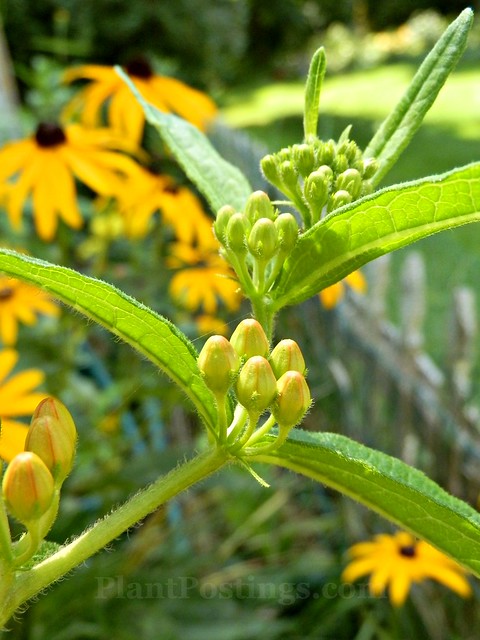
And a second round of buds and blooms.

yum

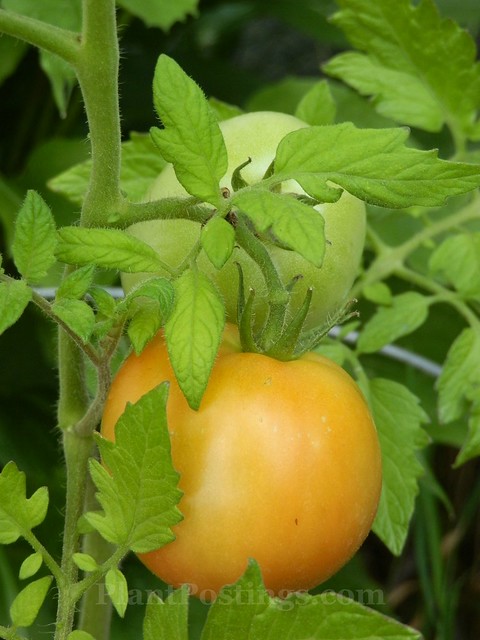
No longer just a bloom, this 'Better Boy' tomato is now harvested and soon will be consumed.

salvia collage

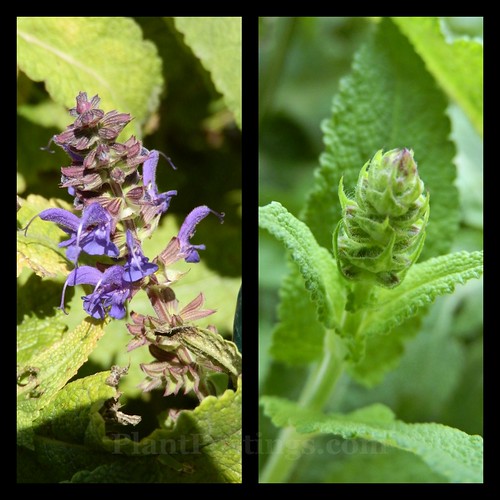
Some Salvia blooms are fading, though after deadheading, new fresh buds are forming.

echinacea collage

The Coneflowers (Echinacea purpurea), too, still offer new buds and blooms.

lantana collage

Lantanas ('Blaze' and "Bandana Red') are taller and more productive than they've ever been in my garden before.

zinnia collage

'Cut and Come Again' Zinnias are true to their name.

cosmos collage

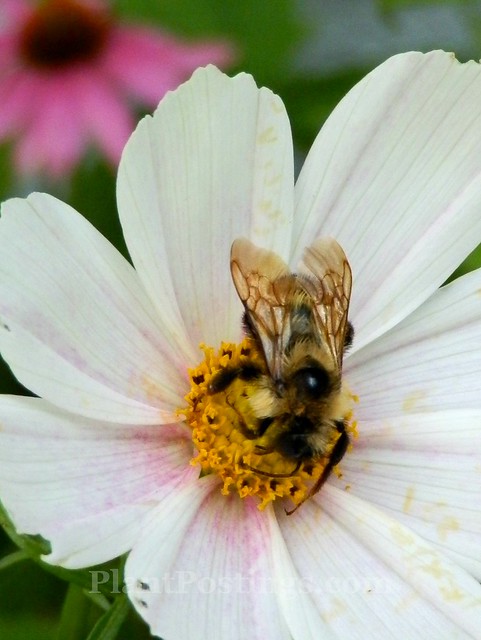
The bumbles agree with me that 'Versailles Mix' Cosmos are irresistible.

sun garden colors

The colors this season have been pleasing to my eye. I recently played around with some color swatches to try to capture the rainbow before it fades.

Thanks to Carol at May Dreams Gardens for hosting Garden Bloggers' Bloom Day!