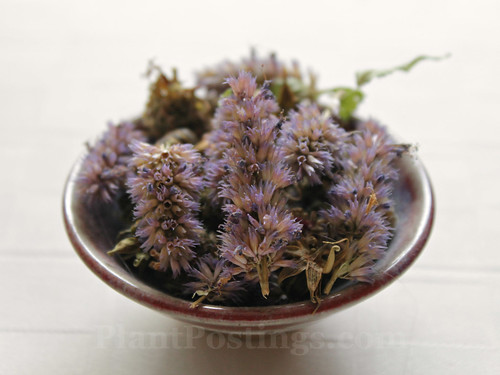
As we move through the depths of winter, many of us treasure tangible reminders of the garden's plenty. Dried seed heads and flowers, including the Anise Hyssop (Agastache foeniculum) in my potpourri bowl, fulfill this purpose.
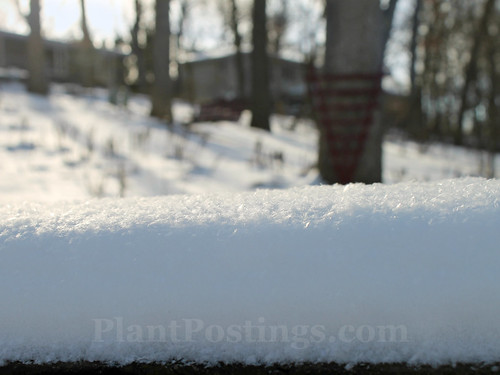
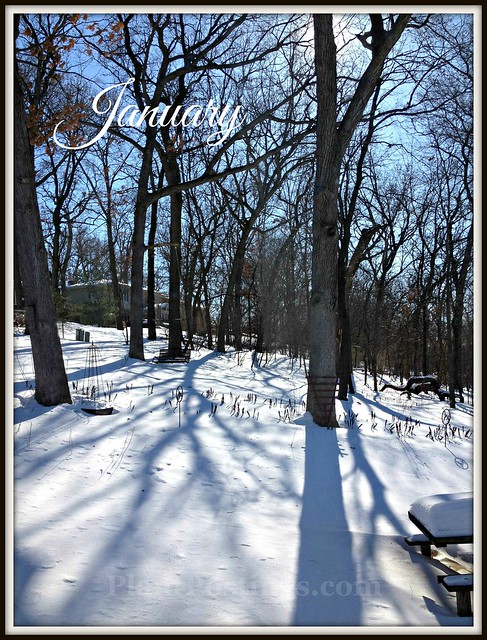
Outdoors, the plants (and the picnic table) are coated with a few inches of fluffy, white snow--just enough to keep the landscape fresh and sparkly. We awoke this morning to a new dance of gently falling snowflakes ...
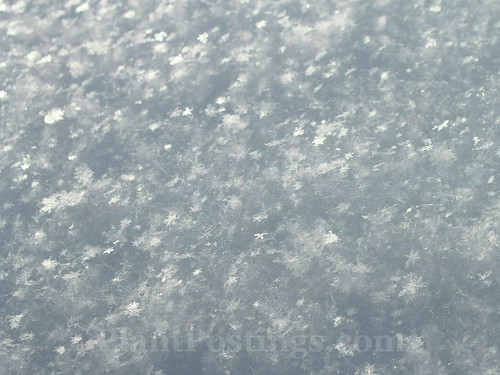
Those huge, puffy flakes that are so large you can easily see how each one is different from the next, and the air between them creates depths of beneficial insulation. (Did you know that fresh, uncompacted snow typically is 90% to 95% trapped air?)
As I contemplate the perennials under their winter blanket and smell the licorice/mint scent of my potpourri, I remember how beautiful, fragrant, and soft the Anise Hyssop was during the growing season.
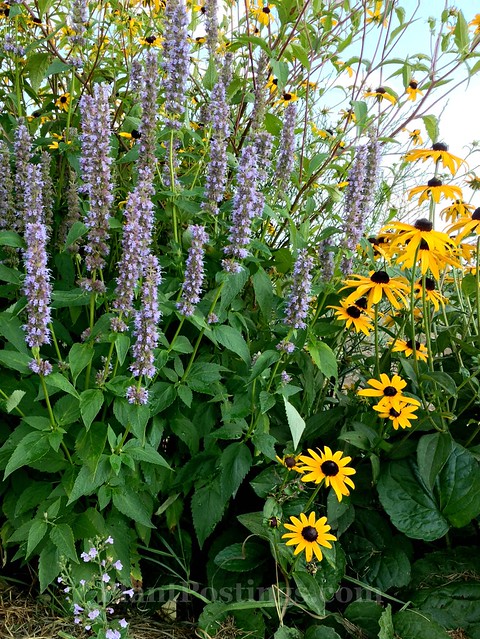
It was a perfect partner to the Rudbeckias, Echinaceas, and Calaminthas in the pollinator garden I helped establish as a master naturalist volunteer project.
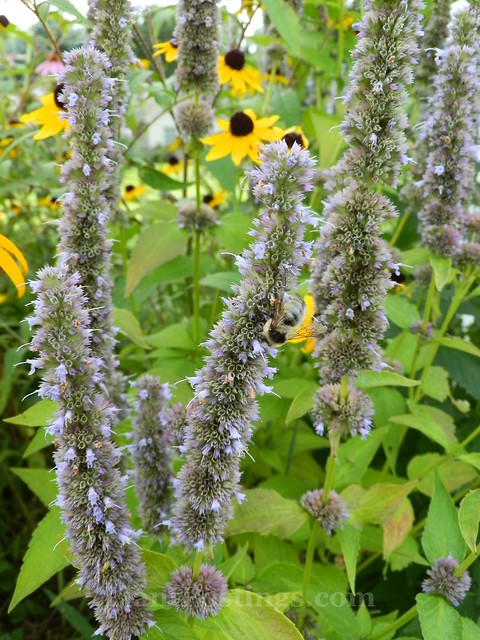
Each flower stalk was fluffy and soft as a cat's tail.
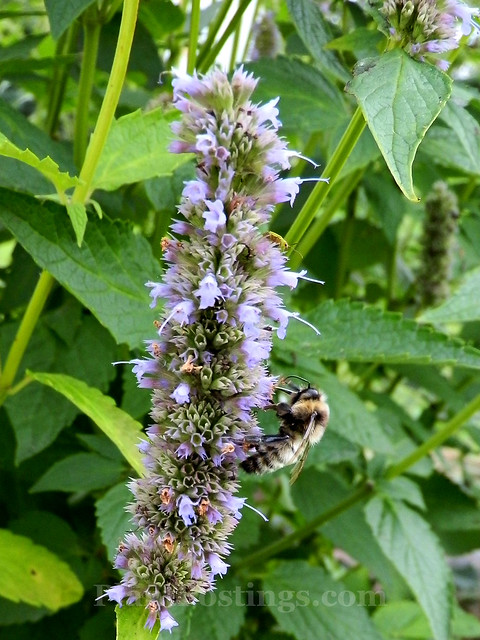
Pollinators like this bumble bee ...
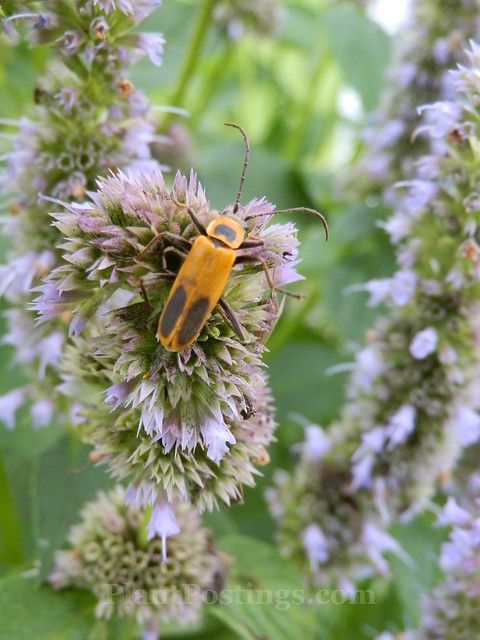
And this Goldenrod Soldier Beetle found it irresistible.

I liked the way it wrapped around and hugged the fence posts. Very romantic.
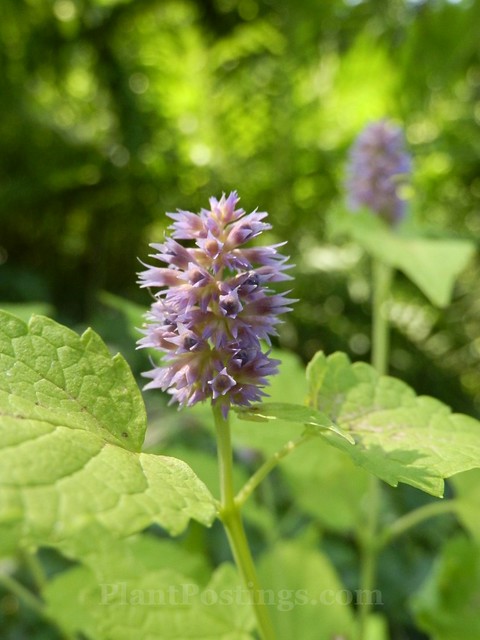
While the straight-species seeds I winter sowed last year didn't germinate in my garden, I did have luck with small seedling plants of A. foeniculum 'Golden Jubilee.' I'll try the straight species again this spring, but in the meantime, I sure enjoyed the pretty flower spikes and the bright, chartreuse color of the cultivar's foliage.

As the days progressed, the flowers gained character. I snipped them to encourage new blooms and, although that didn't pay off with my young plants, I'm happy I saved the flowers for my potpourri. The scent became even more concentrated as they dried.
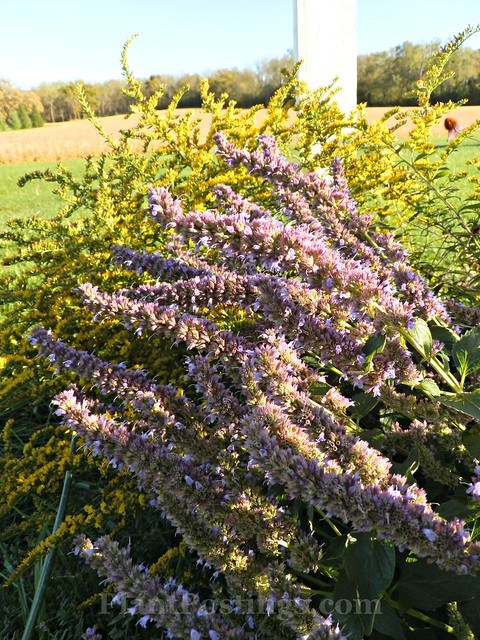
At the end of the season, when very few plants were still flowering, the Anise Hyssop was still blooming away--a great companion to late-season Goldenrod (Solidago rugosa), and other fall bloomers.
I didn't realize until recently that both the flowers and the foliage of Anise Hyssop are edible. Other fast facts, based on information from the Missouri Botanical Garden, the USDA, and the Lady Bird Johnson Wildflower Center:
- Native to a large portion of the northern U.S., the Appalacians, and Canada;
- Height: 2 ft. to 4 ft. (a little shorter for some of the cultivars), with a similar spread;
- Hardy: zones 4 to 8 (a little warmer for some of the cultivars);
- Bloom time: late June to hard frost (in my experience here in Southern Wisconsin);
- Light requirements: Full sun to part shade (bigger flower spikes in full sun; foliage of 'Golden Jubilee' remains more vibrant in partial shade);
- Attracts butterflies, beetles, bees, and hummingbirds, and is of special value to native bees and honey bees, according to the Xerces Society;
- Flower spikes provide form, texture, and color to fresh and dried floral arrangements;
- Tolerates drought, but prefers average to moist, well-drained soil.
All I know is that I like it, I don't know why I didn't have it in my garden until recently, and I'm looking forward to seeing it bloom again!