July 06, 2016

Plant of the Month: Apache Plume

apache plume

I'm just returning from an extended road trip to the Four Corners region of the Southwest U.S.--where New Mexico, Arizona, Utah, and Colorado meet. Of course, this "plant nerd" had to photograph a few growing things along the way.

One, in particular, that caught my eye was a unique shrub with fluffy seedheads: Apache Plume (Fallugia paradoxa). It's the only species in its genus.
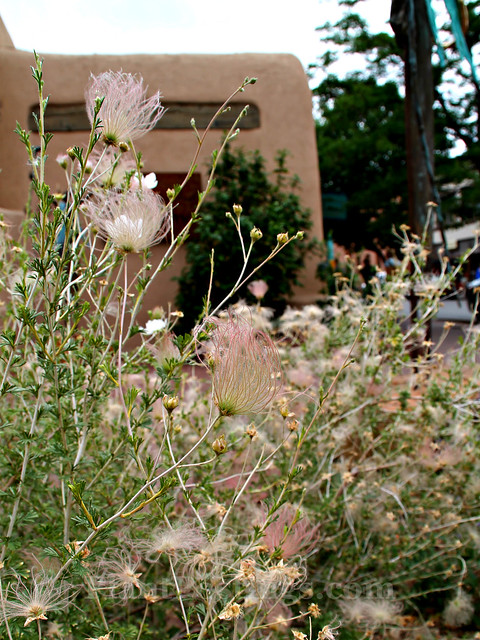
santa fe

We saw it in Santa Fe, New Mexico, where its rosy glow nicely framed the local pueblo-style architecture.
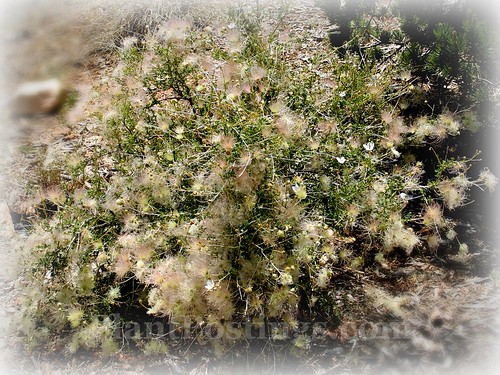
grand canyon

And at Grand Canyon National Park in Arizona, where the shrubs were plentiful along the paths, blending naturally with their surroundings.

Apache Plume is native to only eight U.S. states--California, Nevada, Utah, Colorado, Oklahoma, Texas, New Mexico, and Arizona, as well as Northern Mexico. If I lived in one of those locations, I would plant one or more. Thing is, it has a very specific preference for dry, rocky locations. In good garden soil with organic matter, it can look rangy and produces fewer flowers, according to Texas A&M University.

I'm thinking this is not a plant for most temperate gardens, but best enjoyed in its native setting.
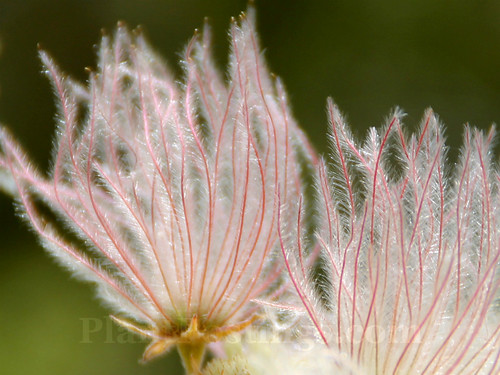
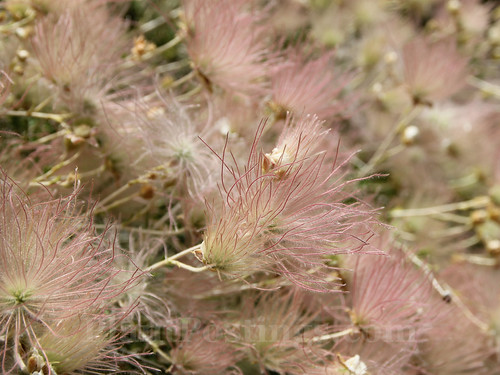
seedhead

From a distance, Apache Plume resembles a Smokebush (Cotinus) cultivar, but its seedheads/fruits are very similar to those of its cousin in the Rose family, Prairie Smoke (Geum triflorum).
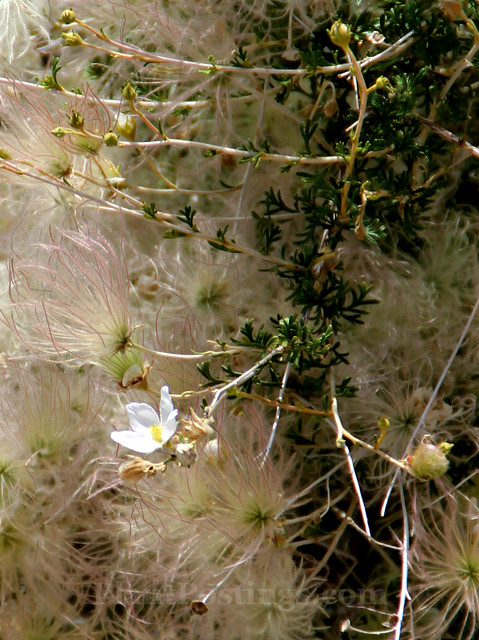
bloom

The small white flowers resemble related blooms in the Rose family. When the petals drop, the feathery achene fruits/seeds puff out, giving it a soft, fluffy appearance. It's the kind of seedhead you want to touch, and it's very soft.
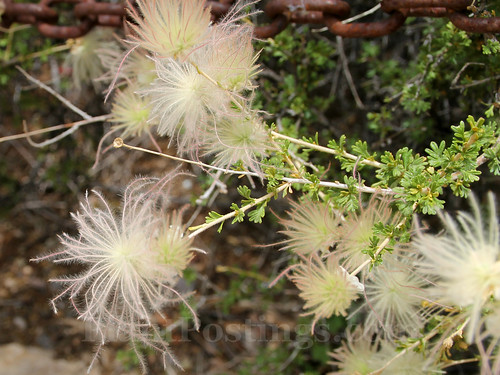
seeds & foliage

The foliage is semi-evergreen; small, deeply lobed leaves along slender, twiggy branches. Among the many Apache Plume shrubs we saw during the trip, the seedhead colors ranged from a creamy white to a lovely rose-pink.
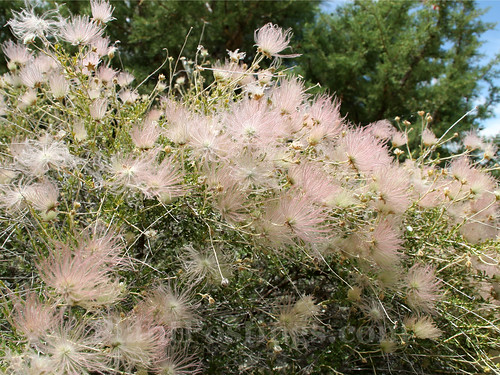
light

The plumes are very attractive with bright light shining through their filaments.
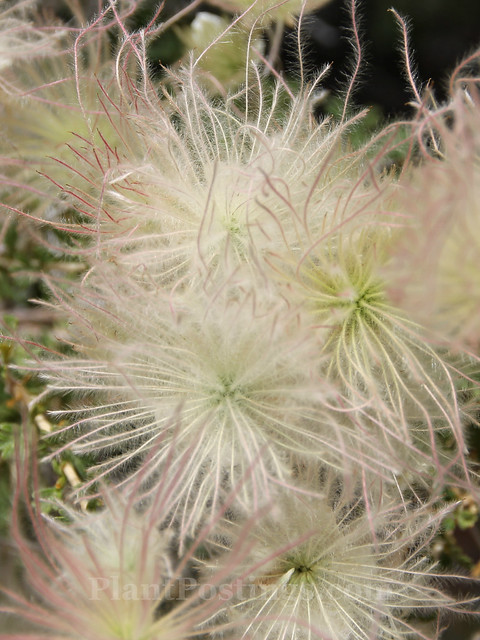
fluff

Go ahead: Try to resist touching those soft, powder-puff plumes!
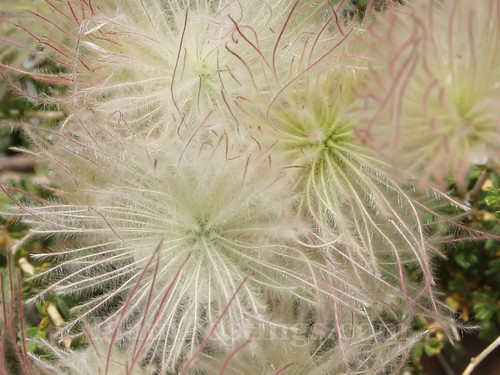
fluff 2

Apache Plume is hardy to zone 5, but, again, best-suited to its native habitat in the Southwest U.S. It grows to 6 ft. tall and wide, according to the Lady Bird Johnson Wildflower Center. It grows in part shade to full sun, and is a good choice for a xeriscape garden.

Historically, its branches were used for sweeping and its steeped leaves for tea and hair-washing. In its dry, rocky native habitat, it's an important forage and cover plant for wild animals and a nectar source for pollinators.
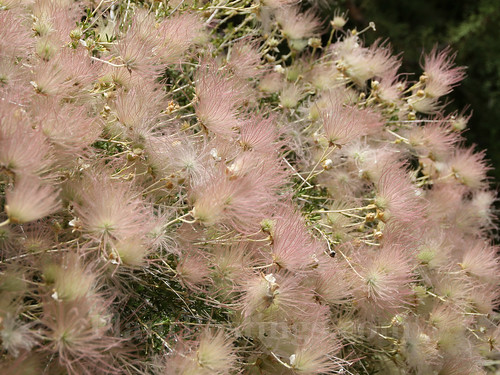
pink cloud

At its peak display, it looks soft enough for a pillow ...

(Linking this post to Dozens for Diana.)

June 15, 2016

A Few Blooms and a Few Promises

echinacea

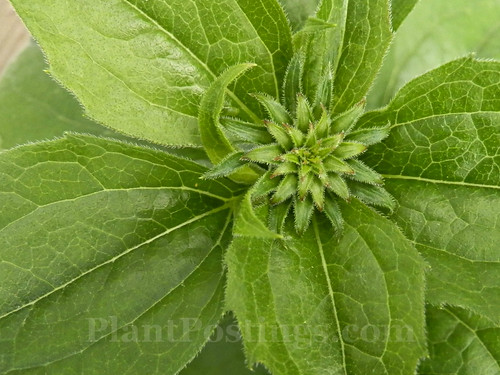
You know it's summer when the Coneflowers (Echinacea purpurea) bloom, and it was just about to happen when I wrote this post a few days ago. They're even closer now.

mock orange

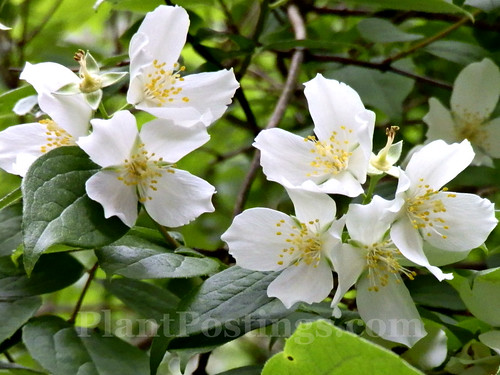
Another summer sign is the blooms of Mock Orange (Philadelphus coronarius), which are pretty enough for a June wedding bouquet.

It's Garden Bloggers' Bloom Day, and much is happening in the garden as we move into summer.

salvia

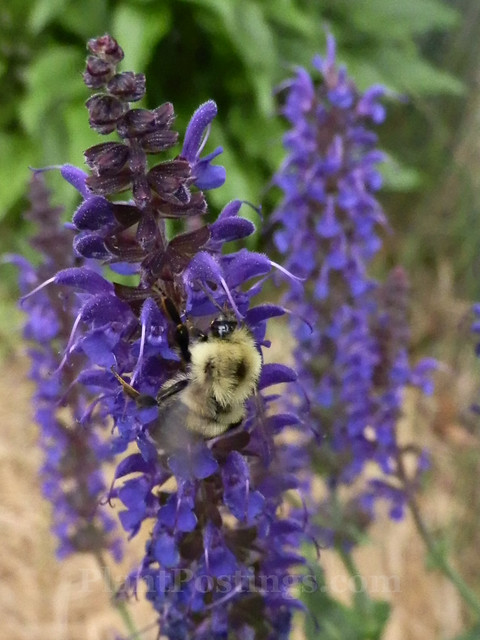
The pollinators have been buzzing on the 'May Night' Salvia (Salvia x sylvestris).

kelways and sarah peonies

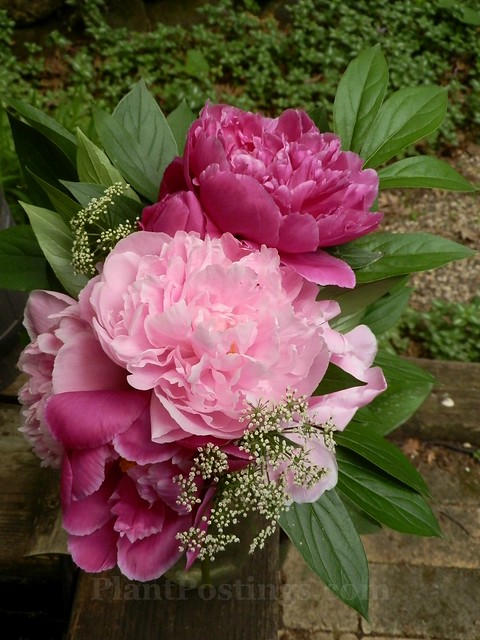
The Peonies (Paeonia lactifora 'Sarah Berhnardt' and one of the 'Kelways') have finished blooming, but I arranged some in a bouquet before they faded.

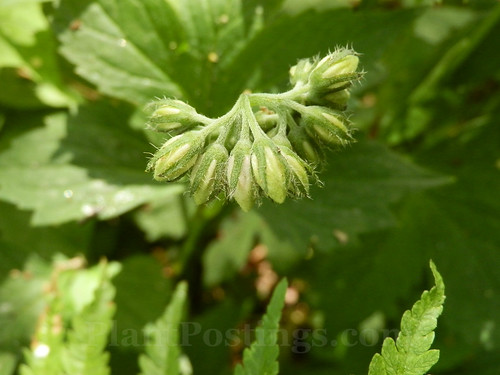
virginia waterleaf bud

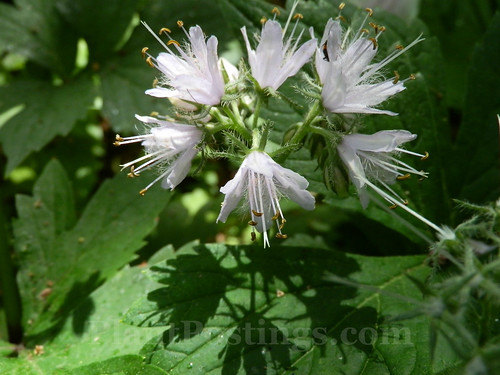
virginia waterleaf flower

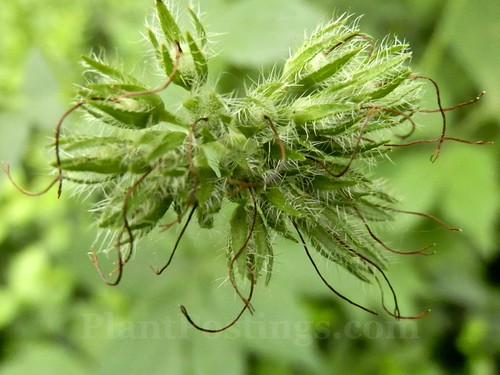
virginia waterleaf seeds

Virginia Waterleaf (Hydrophyllum virginianum) has finished blooming, too. It seemed like it was a good year for this plant, or maybe I simply enjoyed it more--from buds to blooms to awesome, curly seedheads.

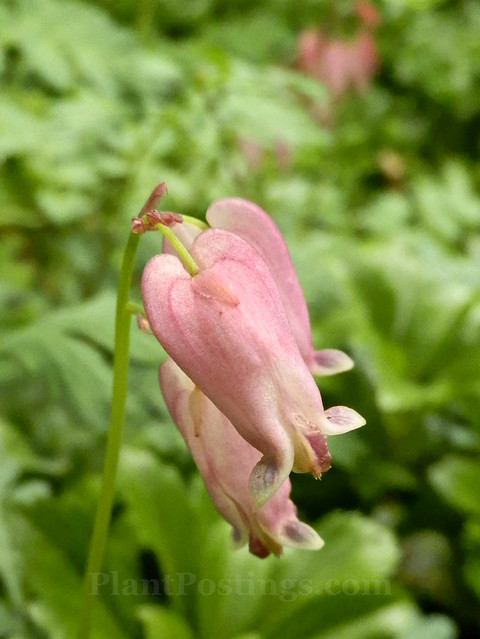
dicentra formosa

Fringed Bleeding Heart (Dicentra eximia) always seems to have a long blooming period in my garden--from early May to mid-June and beyond.

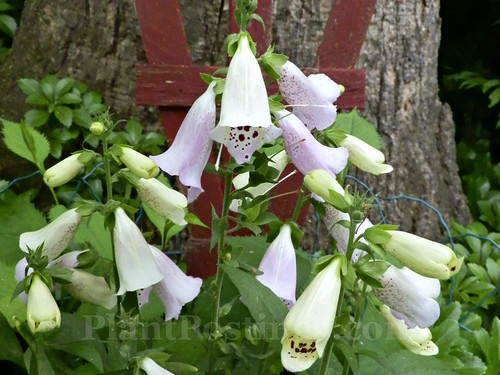
camelot lavendar foxglove

This purple Foxglove (Digitalis purpurea 'Camelot Lavender') is impressive in its first year--with side shoots and graceful coloring. I hope it will be bigger next year.

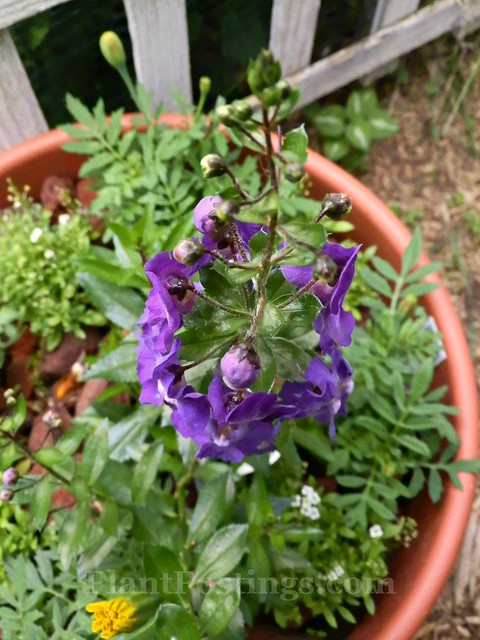
angelface blue angelonia

The annuals are settling in nicely, too. I had to have Angelonias (A. augustifolia 'Angelface Blue')  in a pot again this summer.

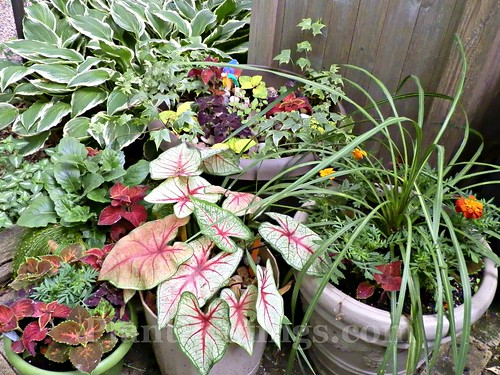
pots

I played around with several pots, and now I need to figure out where I want them to sit.

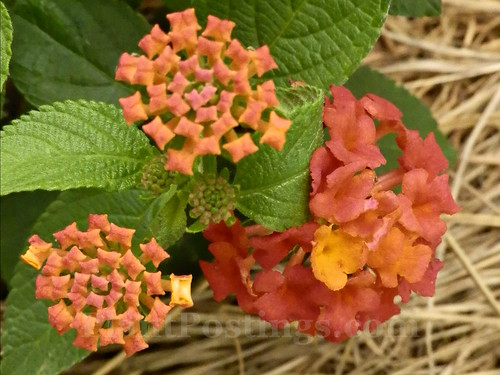
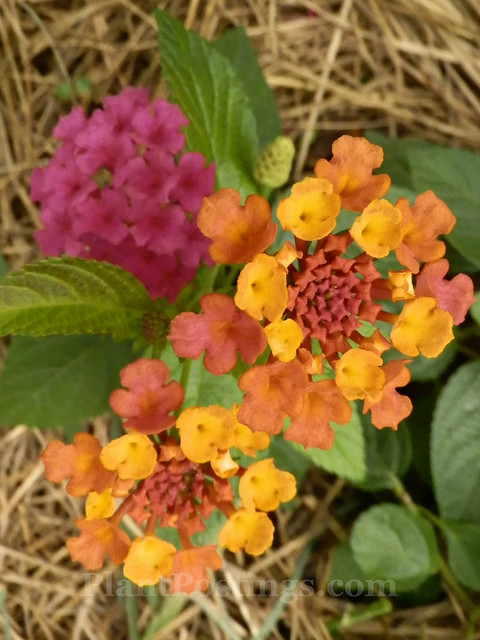
lantana flame

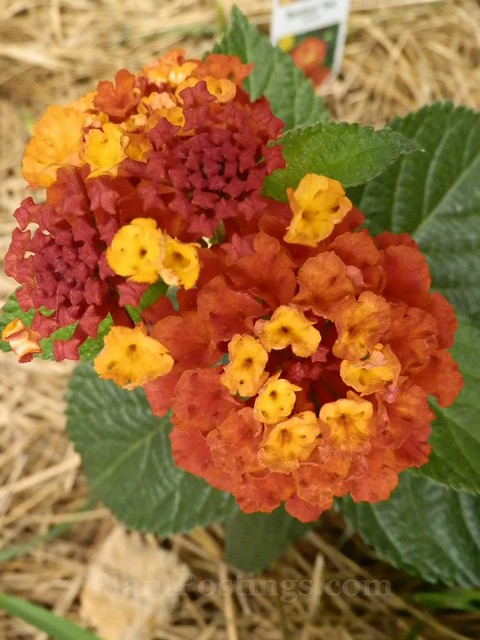
lantana citrus

lantana bandana red

It's hard to believe I only discovered Lantanas (L. camara) a few years ago, as annuals for a northern garden. They've become staples in my garden, and the butterflies love them. Shown above, top to bottom: 'Flame,' 'Citrus,' and 'Bandana Red.'

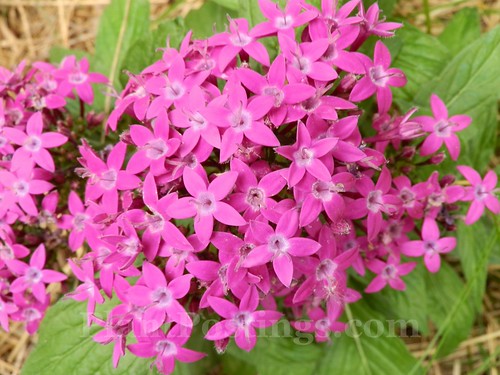
graffiti violet pentas

Finally, I wasn't thrilled with the red Pentas (P. lanceolata) I planted last year because of the color clash in that part of the garden. But these pink ones--even though they're named 'Graffiti Violet'--are perfect.

What's blooming in your garden this Garden Bloggers' Bloom Day? Head on over to May Dreams Gardens to see what's blooming in gardens around the world.

June 08, 2016

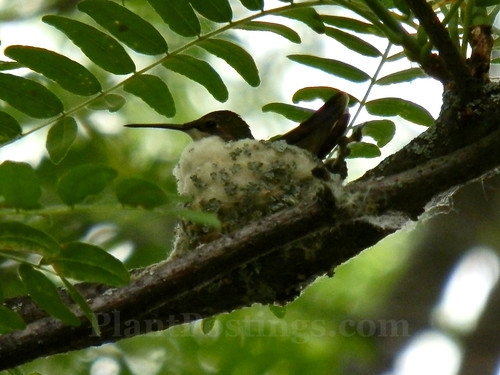
A Hummingbird's Nest

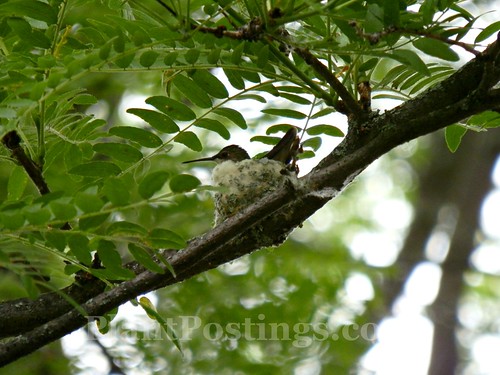
hummer nest 1

hummer nest 2

Wordless Wednesday
Wildlife Wednesday
Nature Notes

Update: Unfortunately, soon after I posted these photos, a predator raided the hummingbird's nest. I have theories on why this happened (cold night, deep torpor, a young mum, crows in the area, etc.), but there's really no way to know for sure. It was a sweet experience to see her constructing and guarding her nest--a first for me. I can only hope that she's OK and will be able to have another nest full of eggs to guard soon.