April 17, 2015

Inspiration Among the Magnolias

IMG_5094

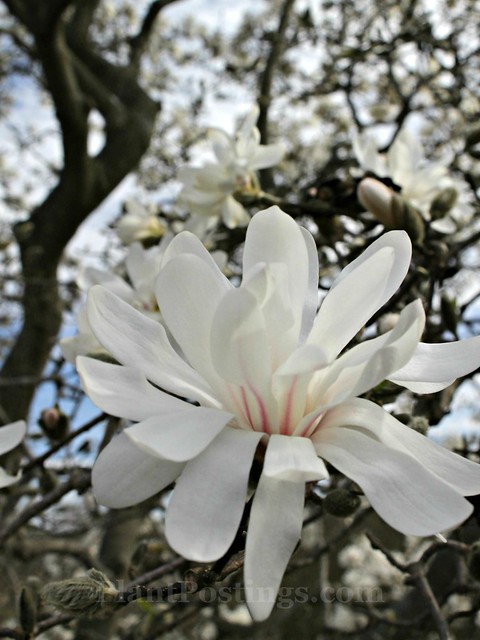
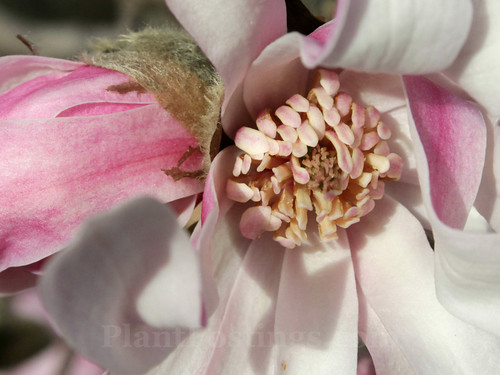
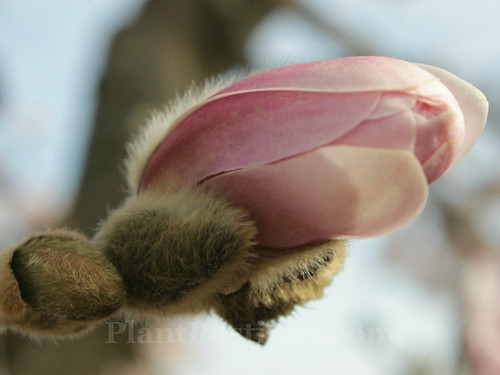
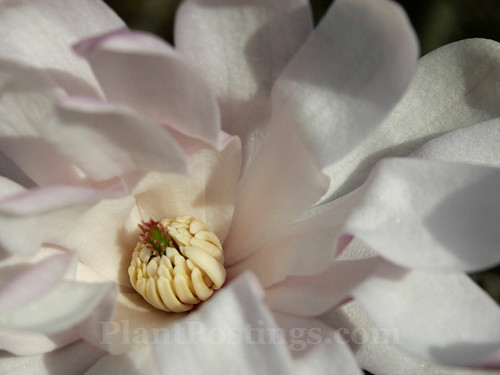
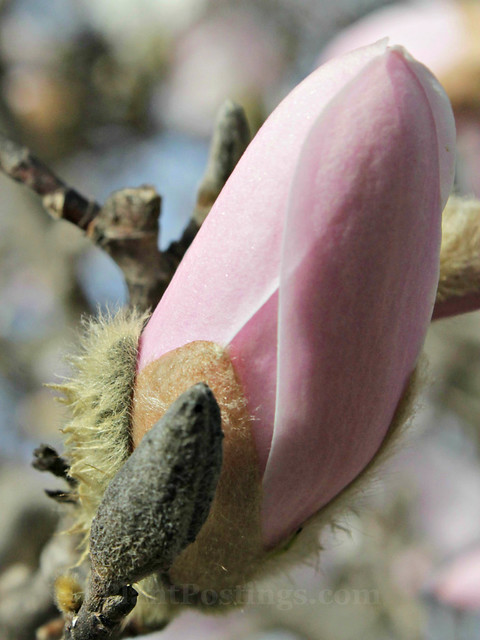
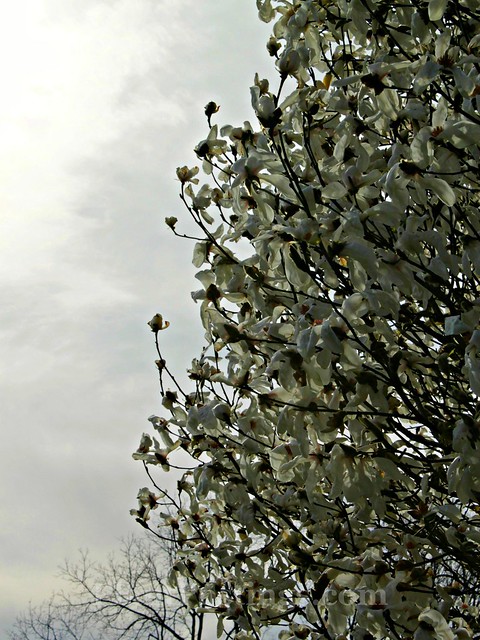
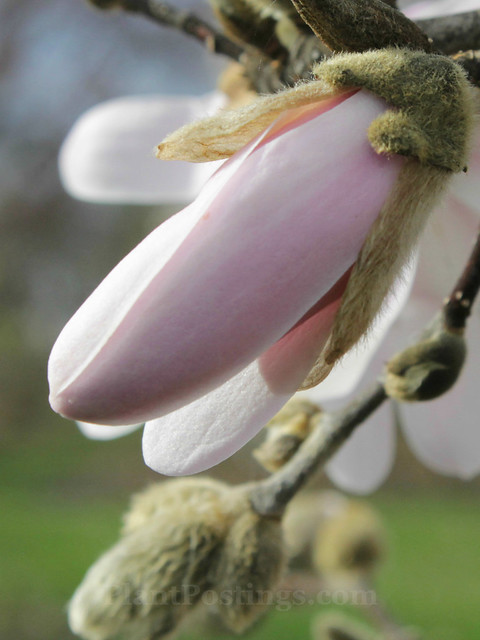
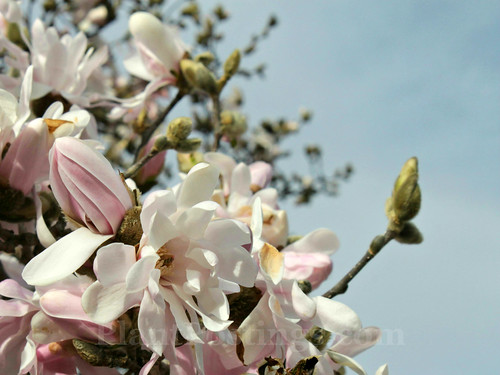
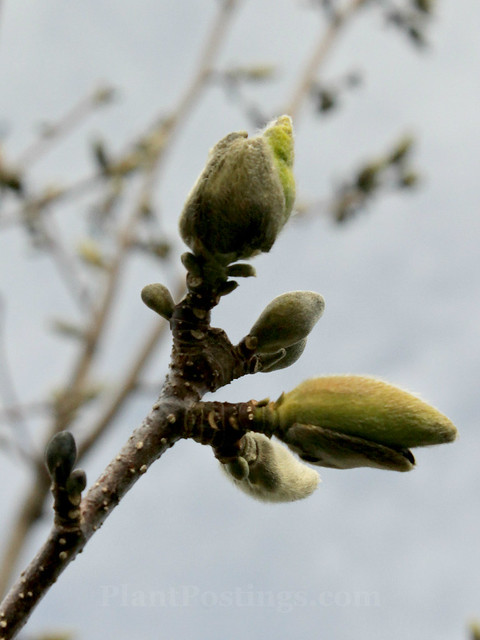
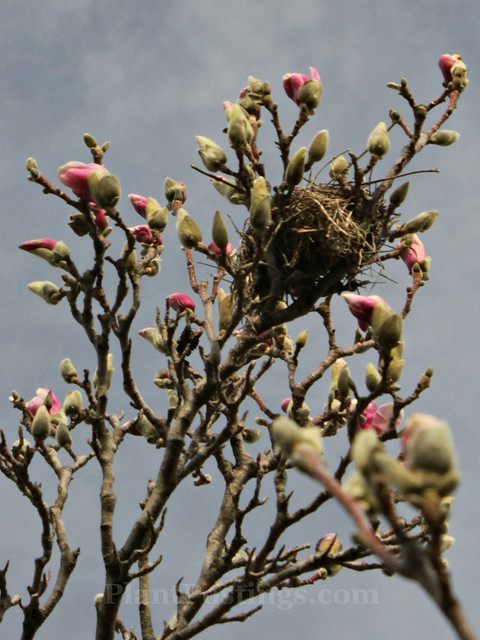
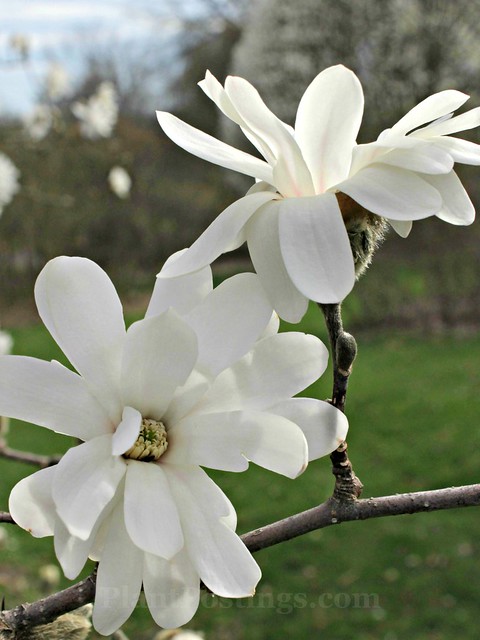
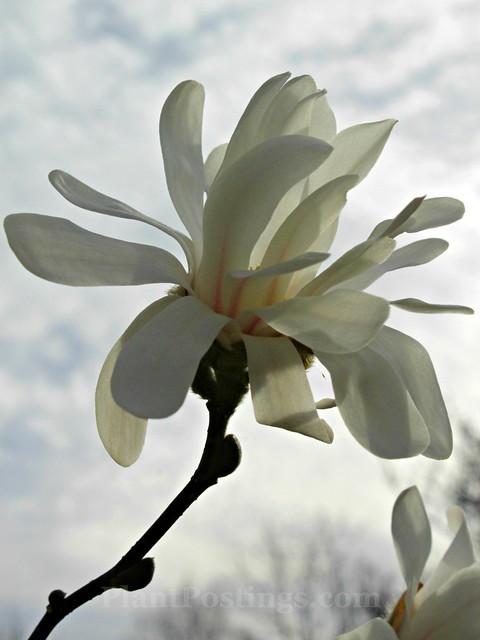
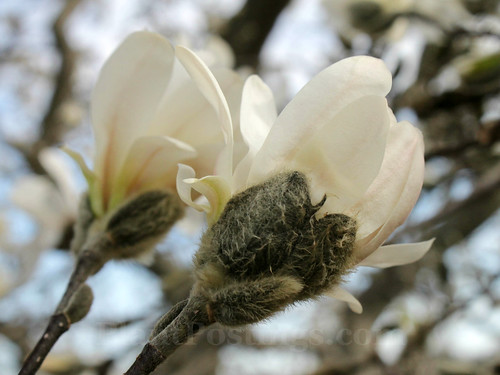
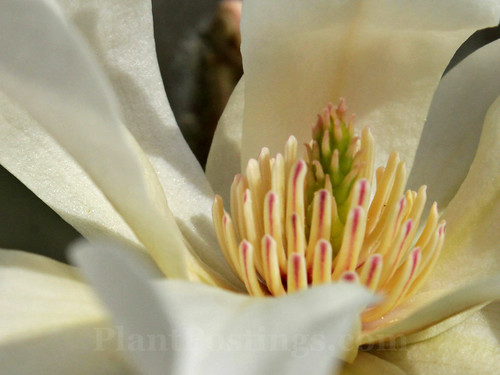
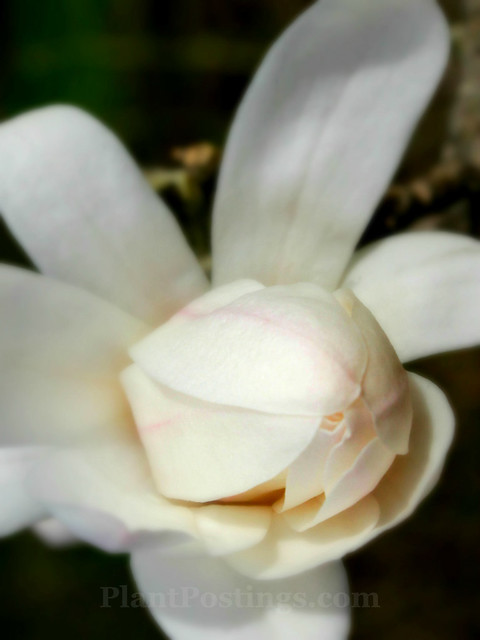
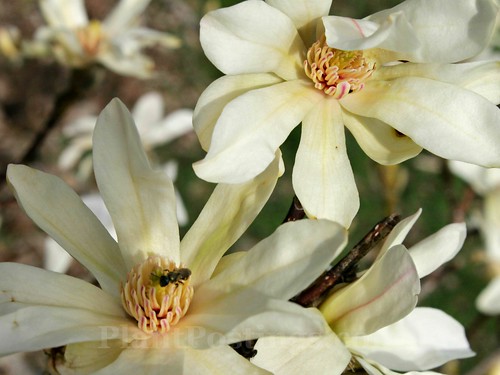
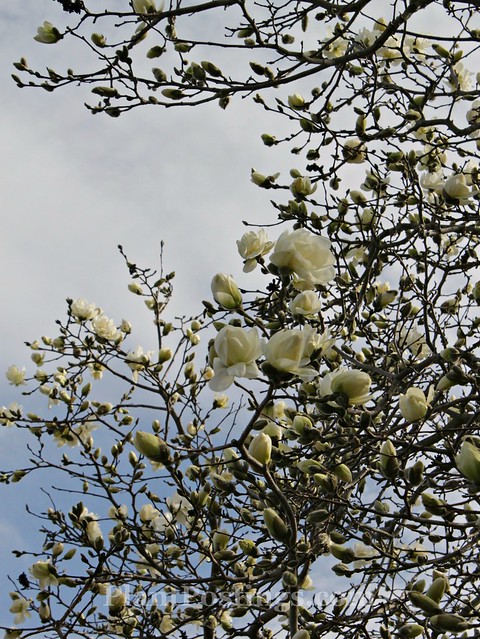
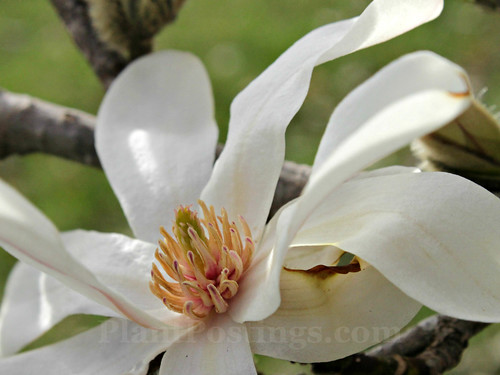
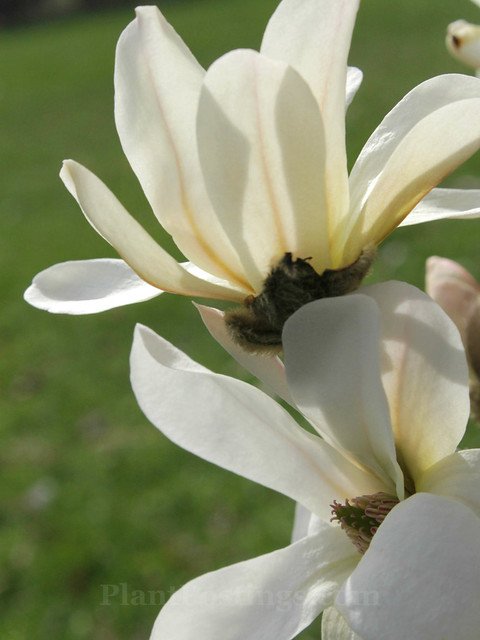
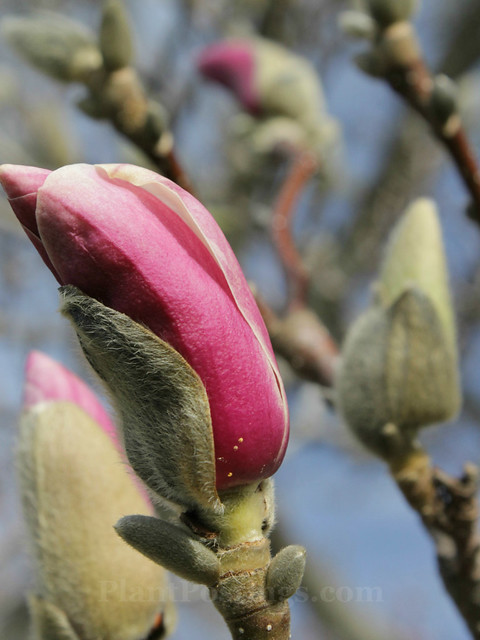
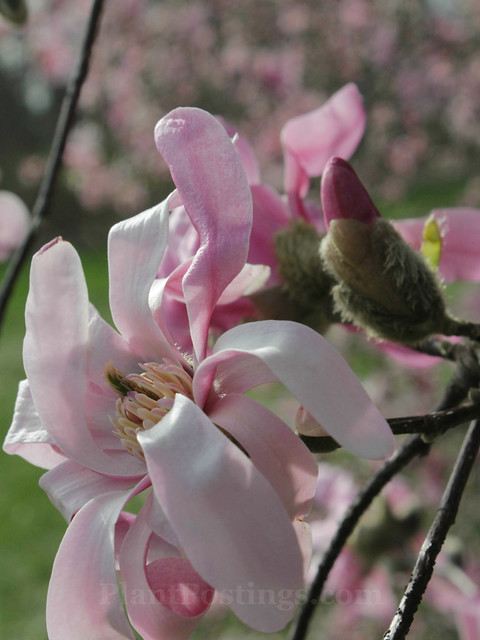
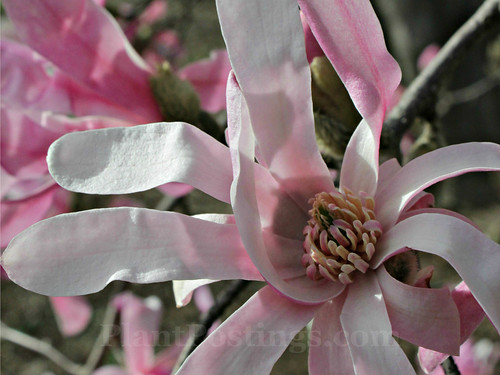
I stopped over at the University of Wisconsin–Madison Arboretum the other day to see the Magnolias in bloom. The 75 Magnolia varieties are on display in the Longenecker Gardens, near the visitor center. Bloom time varies from year to year, but I was surprised at how many are blooming synchronously this year. It's really quite spectacular.

Here are a few highlights in no particular order:

IMG_5114

IMG_5113

IMG_5111

IMG_5108

IMG_5080

IMG_5106

IMG_5104

IMG_5101

IMG_5100

IMG_5077

IMG_5098

IMG_5097

IMG_5096

IMG_5090

IMG_5093

IMG_5089

IMG_5069

IMG_5086

IMG_5085

IMG_5083

IMG_5078

IMG_5068

IMG_5067

IMG_5118

If you miss the show this year, there's always next year. Or, you can plan to visit when the 175 varieties of Crabapples are blooming in a couple of weeks.

April 13, 2015

Orange With Anticipation...and a Giveaway

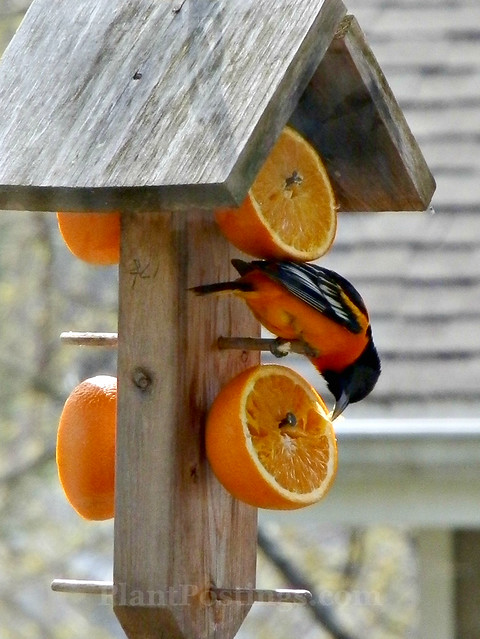
oriole1
One of the first Baltimore Orioles in my garden last year in early May.

As I write this, the oriole feeder is up and I'm just about to set out the hummingbird feeders.

waiting

What an exciting time!

oriole2

Last year, the first orioles appeared in my garden on May 6, and the first hummingbirds on May 7.

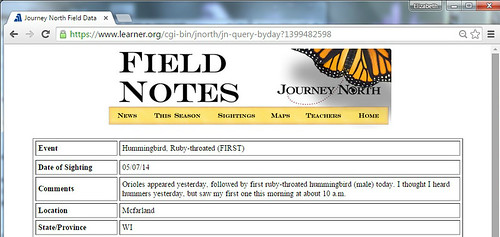
Field Notes

I know this because of date labels on my photos, and because I reported the sightings to the Journey North citizen science website on those dates. (Anyone can help track the migrations; you don't have to be a teacher, a naturalist, or a scientist.)

Do you think I'm too early with my preparations this year? I'd say "yes," except people elsewhere in northern states have sighted orioles. And hummingbirds have made their way to the Upper Midwest. Don't believe me? Check out the reports here, here, and here.

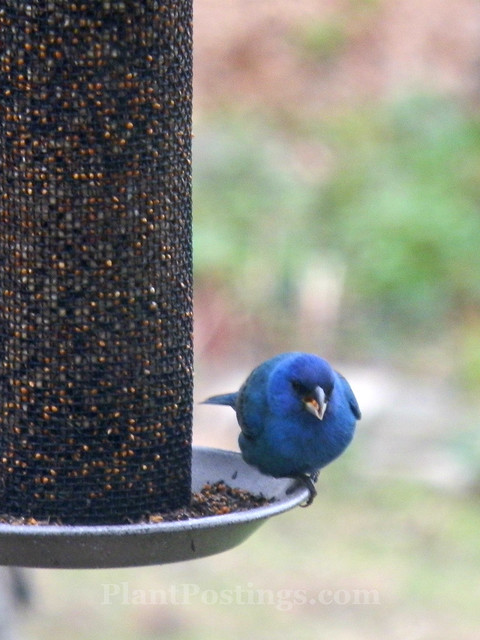
indigo
Indigo Bunting that showed up on the same day last year as the Orioles.

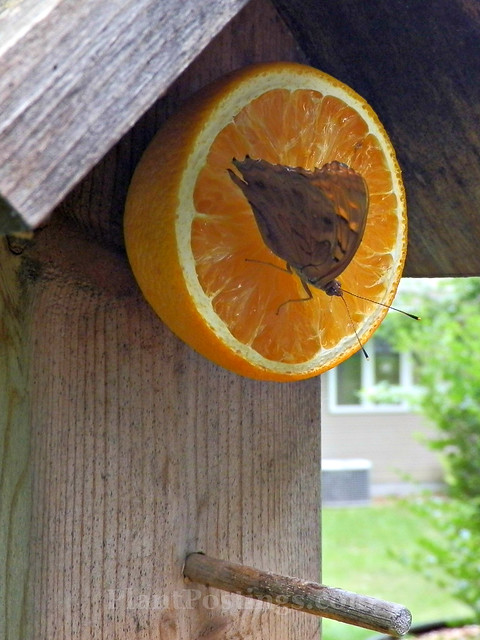
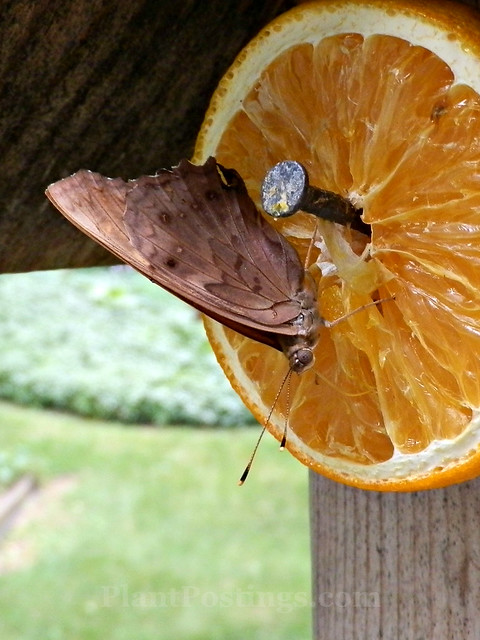
butterfly1
Tawny Emperor butterfly on oriole feeder.

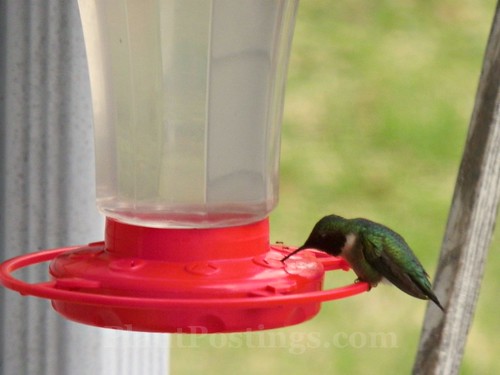
hummingbird
One of last year's first hummingbirds.

butterfly2

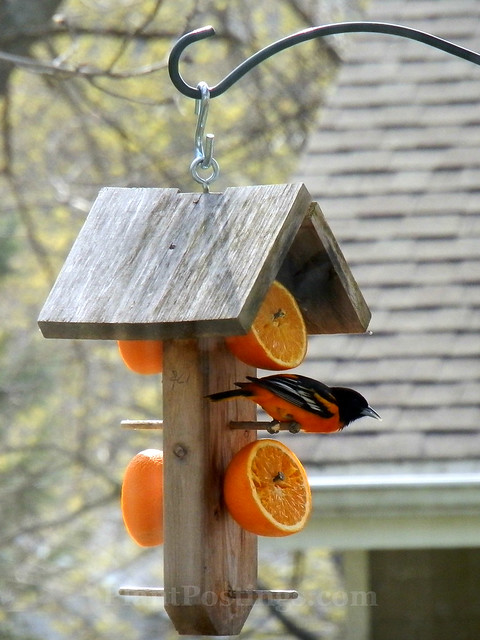
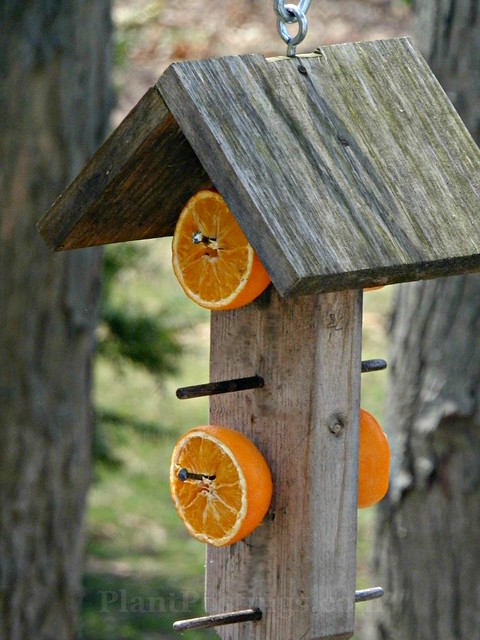
The oriole feeder I use is a versatile little tool for attracting, feeding, and observing not just orioles, but also butterflies, chickadees, hummingbirds, and other birds. I wasn't fast enough last year to photograph the hummingbirds checking out the feeder, so it will be a fun challenge for this year.

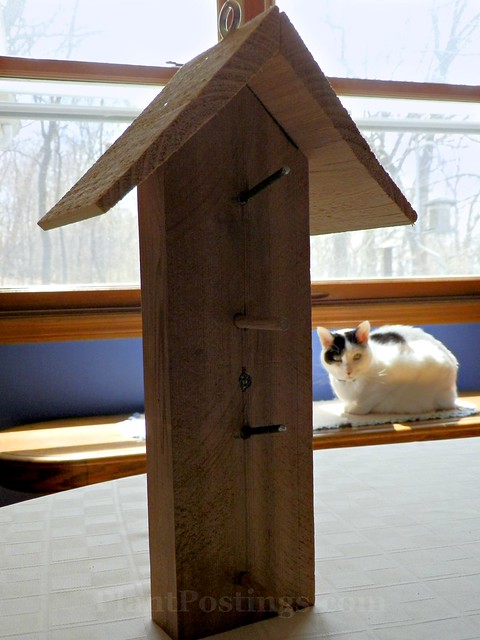
giveaway
Handmade oriole/butterfly/hummingbird feeder. Just add oranges! (Oreo kitty not included.)

Want to attract orioles, chickadees, hummingbirds, and butterflies to your garden? This type of feeder is one way to do it. To celebrate the new season of wildlife support and observation, I'm giving away an oriole feeder to a random commenter. This feeder was made by my father, a talented woodworker. (Thanks, Dad!) I'll draw a name on Friday, April 17. Simply leave a comment on this post, or on the PlantPostings Facebook page. (U.S. shipping only. Outside the U.S.: Send me an email if you'd like construction instructions.)

Good luck! And enjoy the unfolding season!

(I'm linking this post to Michelle's Nature Notes at Rambling Woods.)

April 07, 2015

Highlights From the Orchid Show

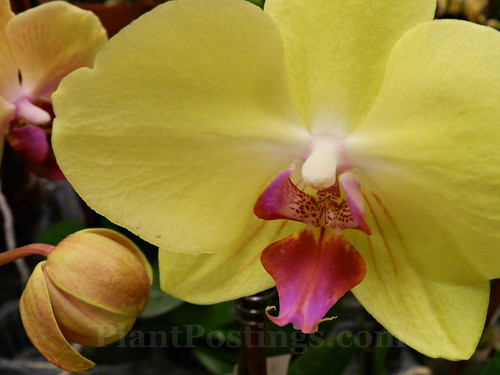
phalaenopsis 2

It's always a thrill to see orchids in bloom, but especially after a cold, dark winter. During my visit to Florida, Mom and I attended the local orchid society's annual show and sale. Even the Floridians seemed exuberant about it. I overheard one attendee saying something like, "Oh, I'm so excited about this, I can hardly stand it!"

While I wasn't quite that hyped myself, I'll admit, it was fun.
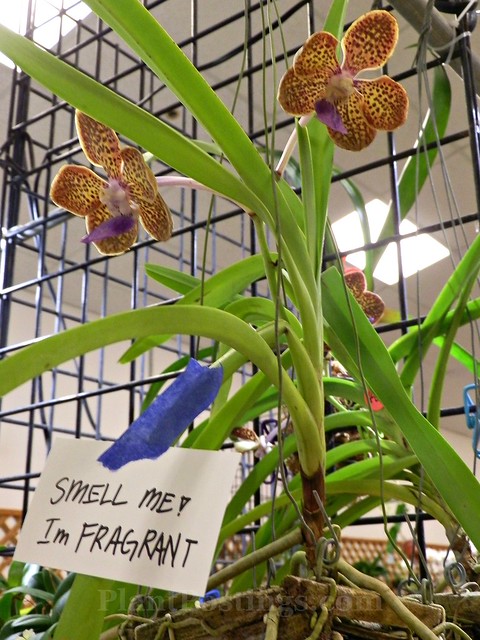
fragrant

One of the first plants that greeted us was this colorful Phalaenopsis announcing its attributes. Unfortunately, because it was placed near the entrance, I moved fast and didn't dawdle. Consequently, I don't remember the scent to describe it to you now.
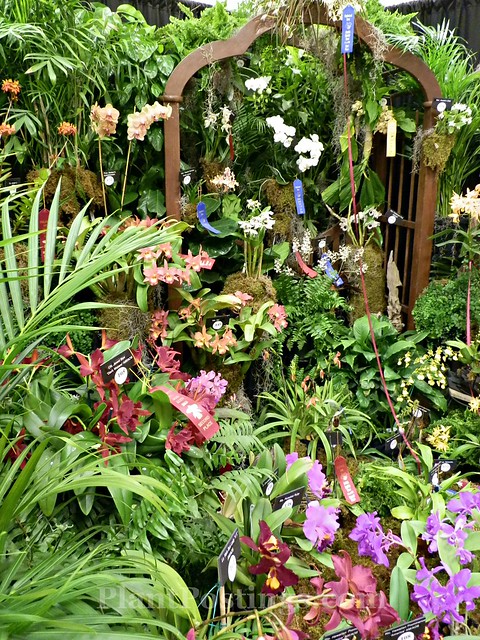
display

Some of the displays were artistically arranged and intermingled with exquisite foliage plants and design elements. We enjoyed observing the combinations and the prize-winners.
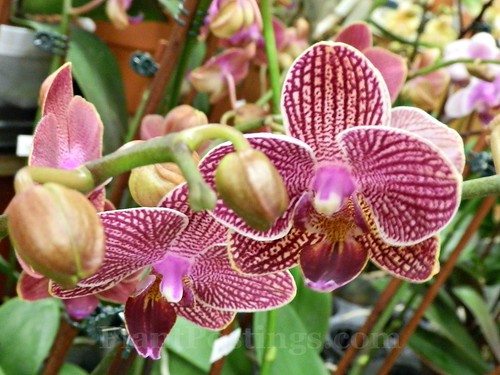
phalaenopsis 3

I noticed an abundance of Phalaenopsis, including the one above and those shown at the beginning and the end of this post. I suppose it's because  Phals are popular and easy to grow.

As part of my research after the show, I checked out the native ranges of these orchids. (Sources: Encyclopedia of Life and Wikipedia.) While most are hybrids, I was curious about where the genera and species originated. Phals are native to parts of Asia and Australia.
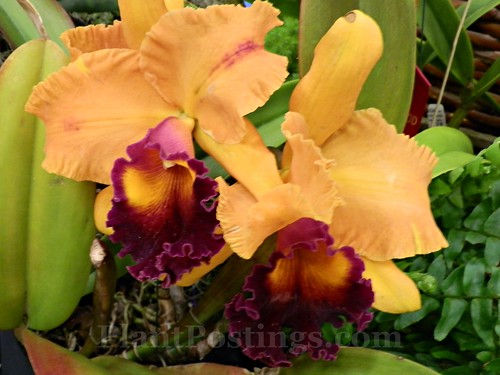
Rlc

This orchid, Rlc. 'Alma Lee' is a cross (Rhyncholaeliocattleya and Cattleya). It's an intergeneric hybrid, with ancestors in the Americas.
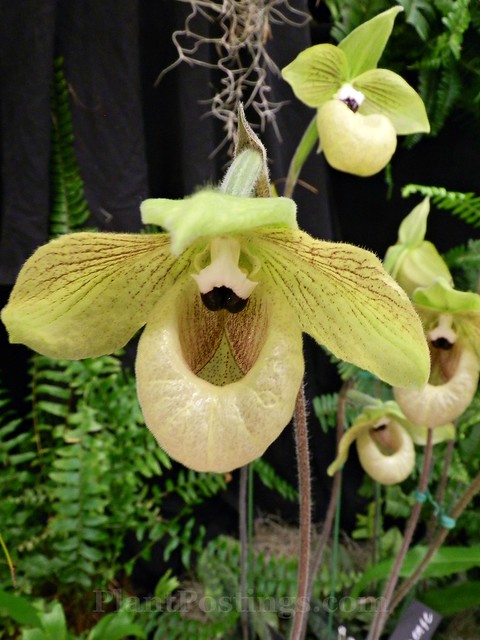
paphiopedilum

This one, Jade Slipper (Paphiopedilum malipoense), is found in Vietnam and Southern China. It's a member of the same subfamily (Cypripedioideae) as the Lady Slipper orchids found in my region of North America.

cattleya

The bright, warm colors of many orchids were hard to ignore, like this Lc. hybrid (Laeliocattleya) of 'Aussie Sunset' and 'Tokyo Magic.' Its ancestors are from Mexico, and Central and South America.
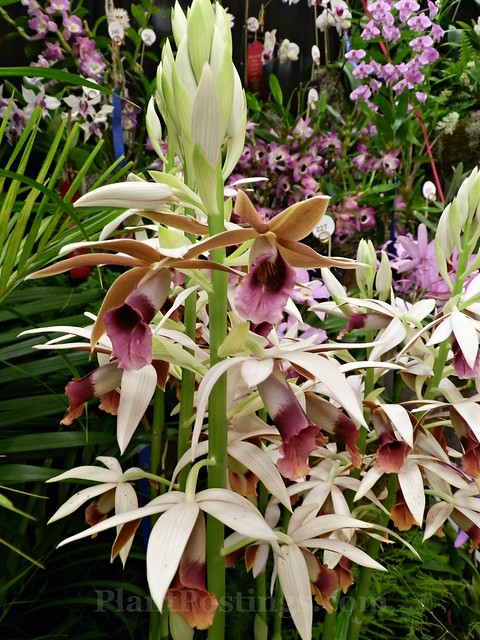
phaius

While I didn't record the name of this plant, I believe it's a straight species Nun's Orchid (Phaius tankervilleae). Unlike epiphytic orchids that grow on other plants and trees, the Phaius is a terrestrial orchid, which grows in soil. Nun's Orchid is native to parts of Asia, Australia, and some Pacific islands. I think it was my favorite of the lot, for many reasons--its stature, colors, bloom form, and so on.
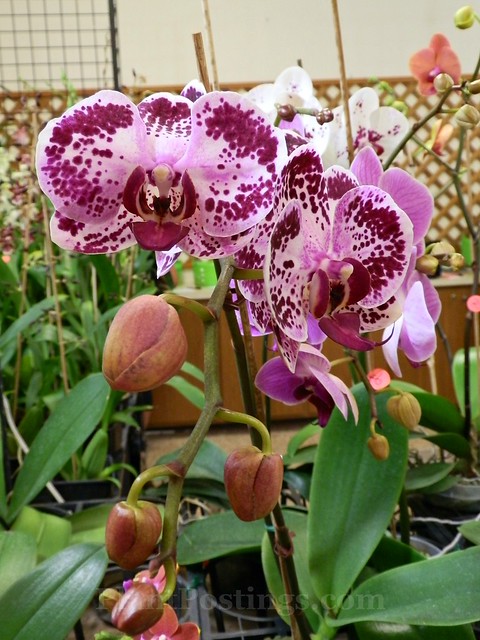
phalaenopsis 1

I'm not a big collector of indoor plants, but I can see how orchid-growing could become an addictive hobby. For now, I'll be content attending the occasional orchid show and purchasing the occasional orchid.