Showing posts with label signs of spring. Show all posts

March 07, 2025

On Mosses...

Moss 4

Mosses fascinate me. How about you? I don't "know" all the common and scientific names, but I certainly appreciate mosses for their beauty, their hardiness, and for many other reasons. A couple names that came up as I checked the photos with iNaturalist were Plagiomnium cuspidatum and Hypnum circinale, both of which have many common names. Mosses are often mixed together in some locations, which makes it difficult to ID them all.

Among many things I find fascinating about mosses is how most of them remain green even during winter. I took a walk around the garden and captured a few photos. Some grow on rocks, others at the base of trees, and still others even replace the grass in some spots, which is fine by us.

Moss 2

Moss 6

Moss 1

Moss 5

Moss 3

While I have mixed feelings about artificial intelligence (AI), it can be helpful when researching basic questions. In this case, I researched "mosses growing conditions." And while I wasn't surprised by the results (because they describe our conditions here), they were helpful in explaining where you'll commonly find mosses:

"Moss grows best in damp, shady areas with low light, acidic soil, and compacted or low-fertility soil. Moss needs water, sunlight, and nutrients to grow.
  • Light Moss grows in low light and shade, but it still needs some indirect light to grow. Too much sun can cause moss to melt away and smell bad.
  • Moisture Moss needs a damp location to grow, but it won't do well in a swampy area. Moss needs water to survive and reproduce.
  • Soil Moss grows best in acidic soil. Moss can grow in compacted or low-fertility soil.
  • Other conditions Moss grows in damp forests and fern-filled areas. Moss can grow in exposed areas where wind clears snow, giving it access to sunlight."

The only AI description that doesn't match our conditions here is low-fertility soil, although the growth on rocks would match that.

While I was out investigating the mosses (there are many more, so I can share observations again in warmer weather), I found some surprises:

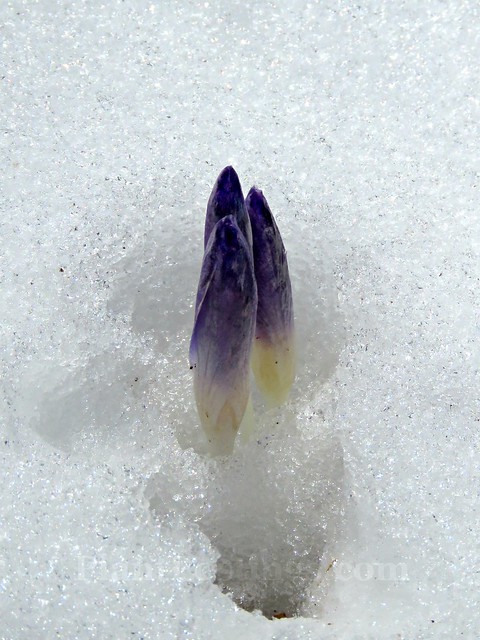
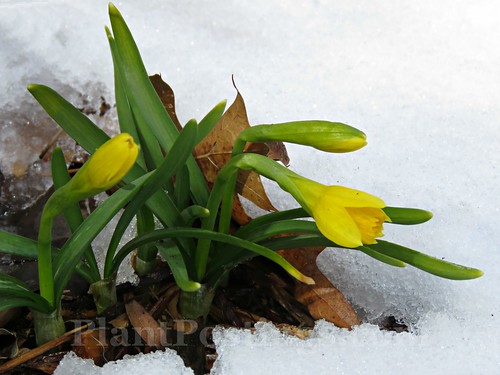
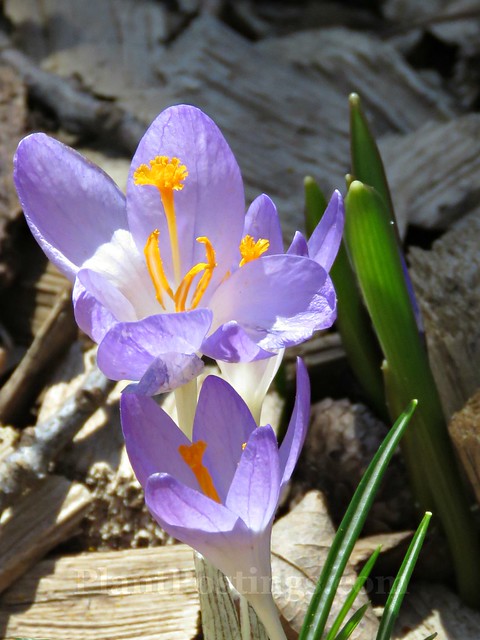
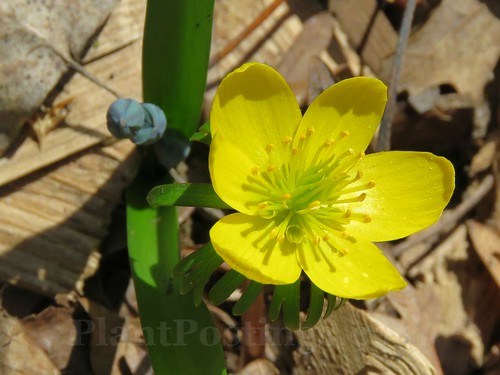
Signs of spring

Spring is on the way!
March 28, 2018

'Subtle' Signs of Spring: Inside and Out

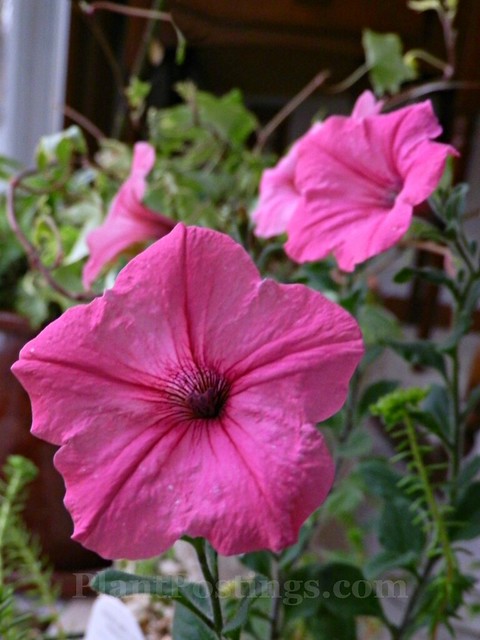
bubble gum
Overwintered Supertunia Vista Bubblegum

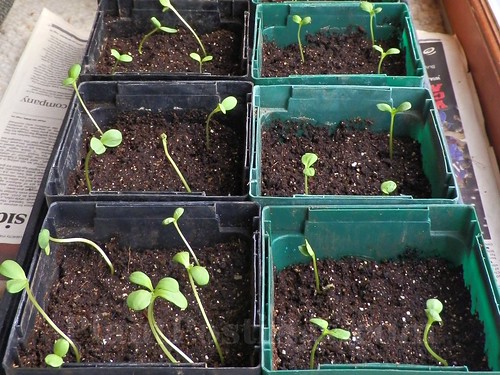
zinnias
Zinnia seedlings (Z. elegans hybrids)

gerbera
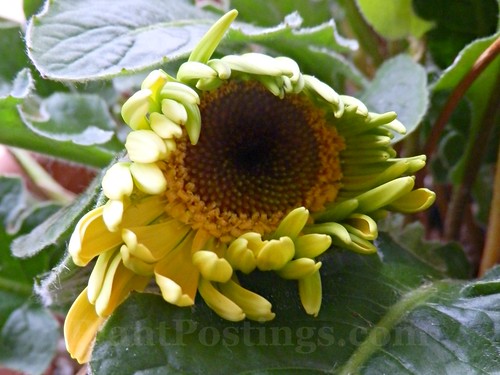
Overwintered Gerbera Daisy hybrid

lettuce
Lettuce seedlings under the coldframe

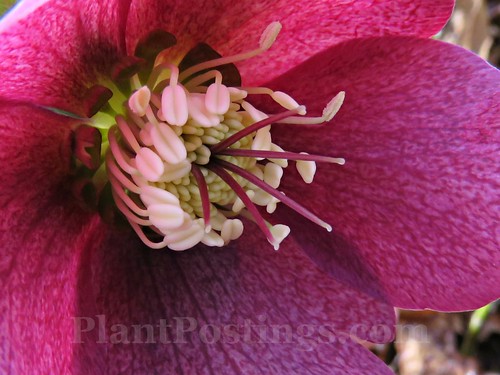
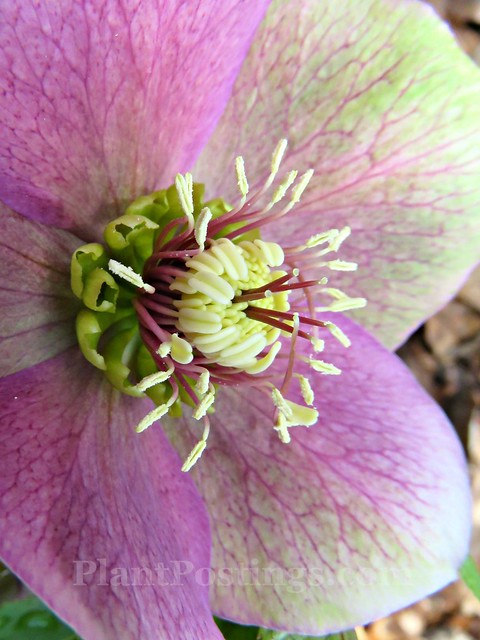
hellebores 1
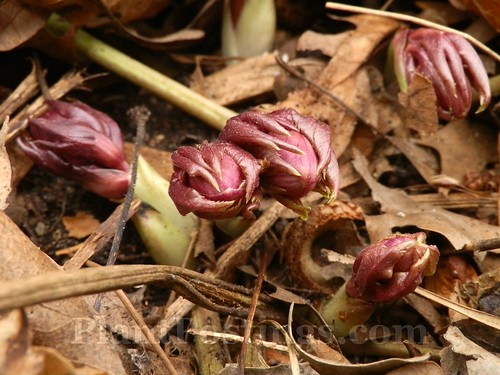
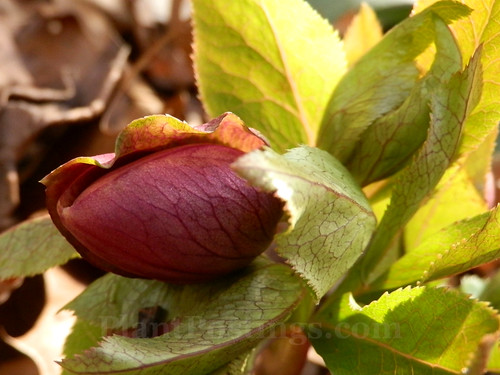
Hellebore buds (Helleborus orientalis)

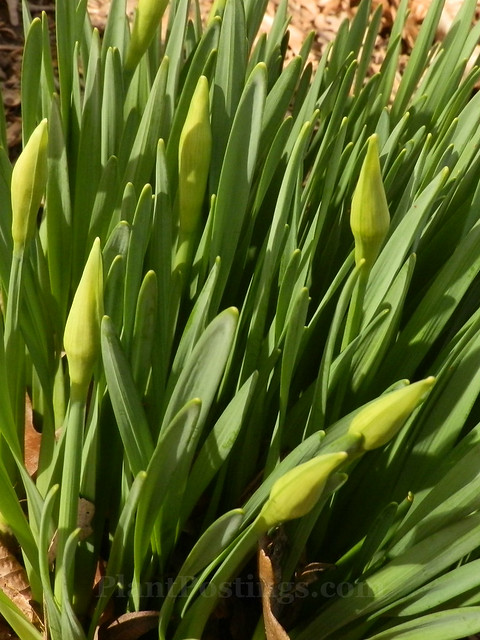
daffodils
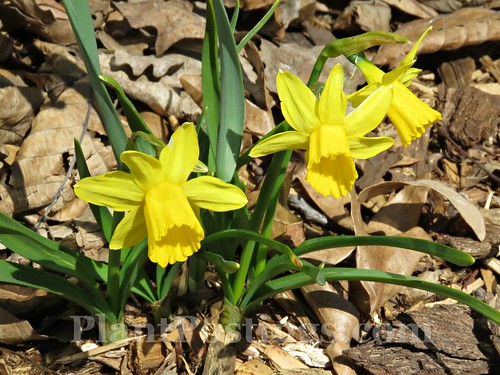
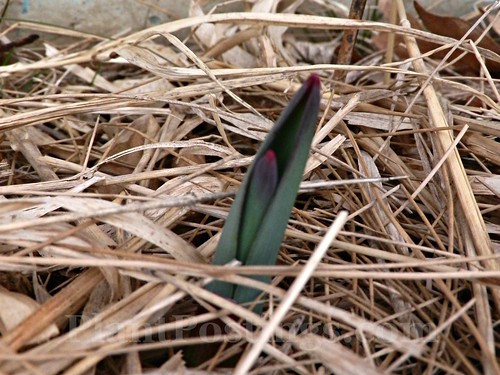
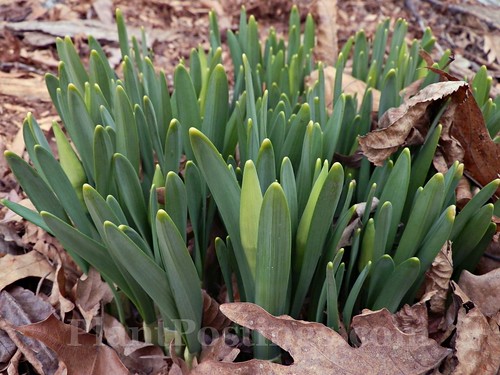
Daffodil buds (Narcissus spp.)

snowdrops
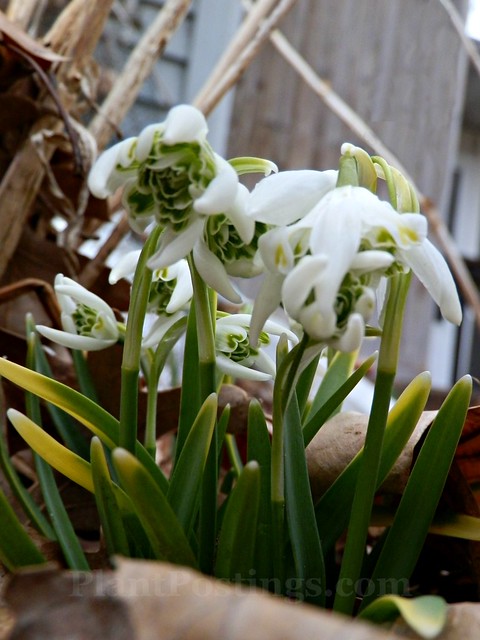
Snowdrops (Galanthus nivalis 'Flore Pleno')

allium
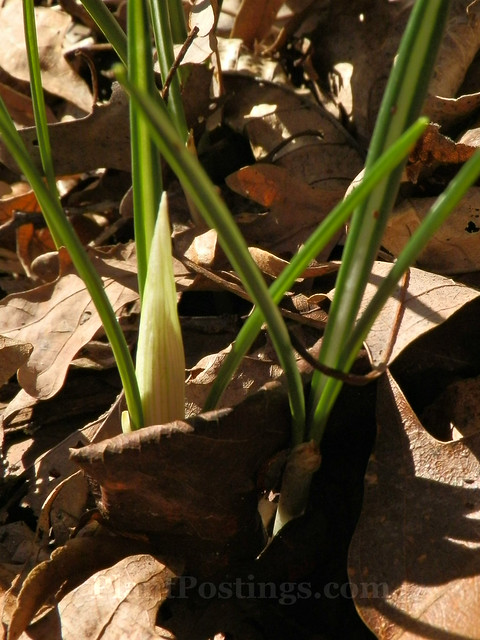
Unknown (Allium?) ... What did I plant here?

hellebores2
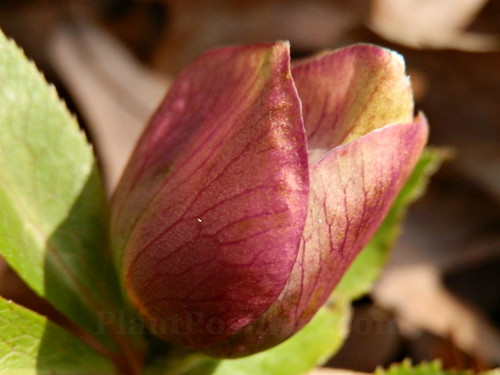
More Hellebore buds (Helleborus orientalis)

rhubarb
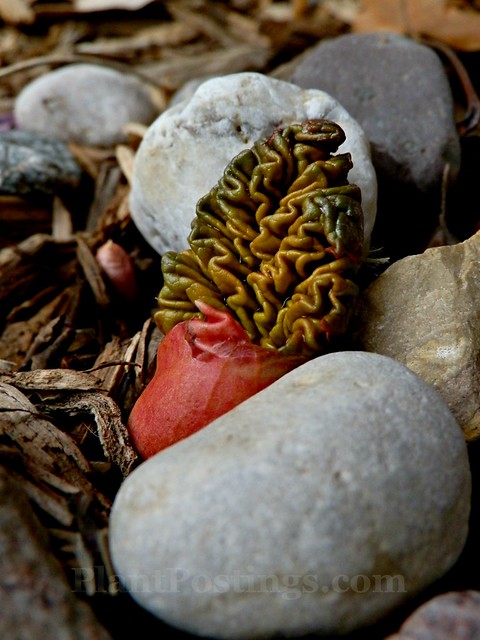
Rhubarb (for future pie :) )

March 18, 2016

Spring Started Without Me

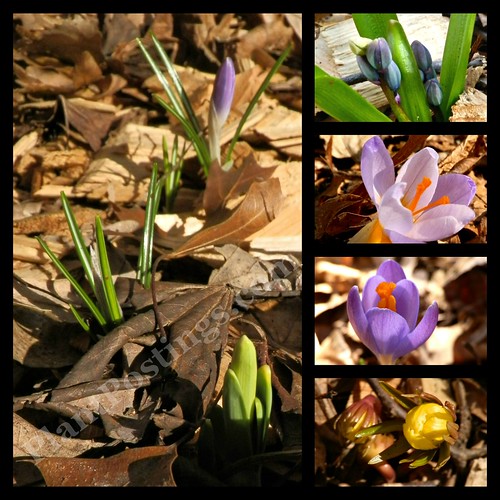
Colorblends Collage

I've been away for a family wedding (more on that later). Look what greeted me when I returned: The 200+ Colorblends bulbs I planted last fall are emerging and beginning to bloom!

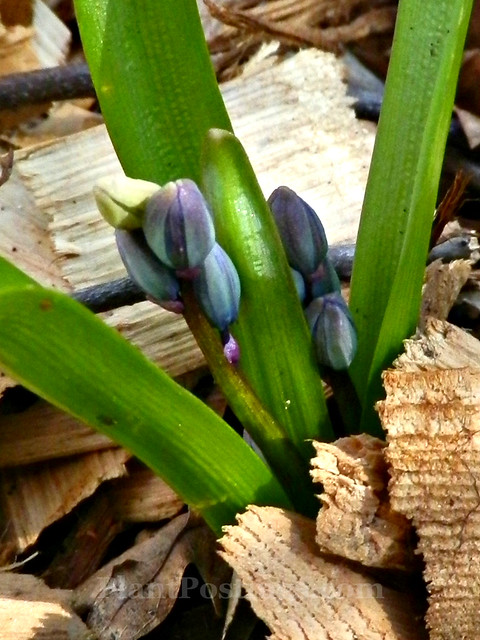
squill

The mix includes Siberian Squill (Scilla siberica);

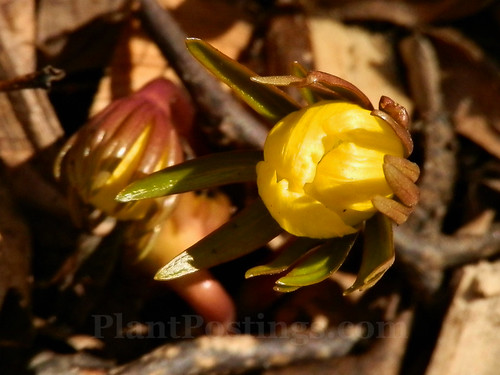
aconite

Winter Aconites (Eranthus hyemalis);

crocus 2

... and Tommies (Crocus tommasinianus). The mix also includes Daffodils (Narcissus spp.) and Glory of the Snow (Chionodoxa spp.), which haven't bloomed yet.

I planted most of them in the sheltered, warmer microclimate area by my rock wall. It will be fun to see more of them blooming during the next few weeks.

Other old friends that started blooming while I was gone, include:

hellebore 3

hellebore 2

hellebore 1

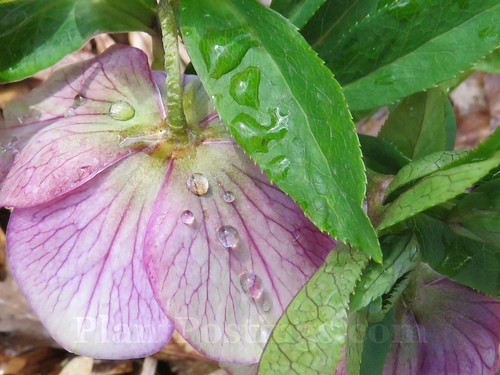
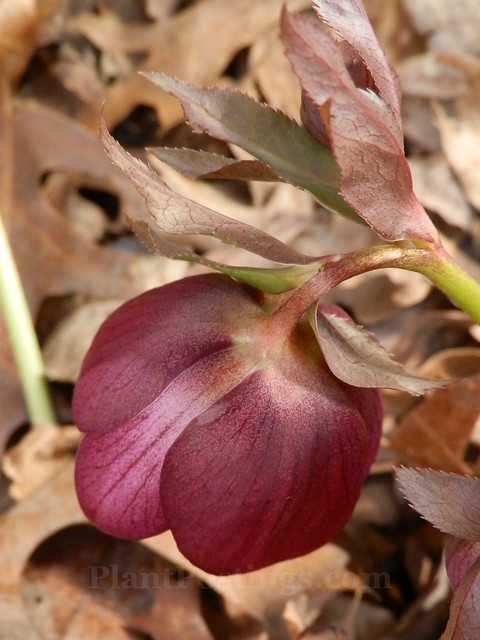
Several varieties of Lenten Rose (Helleborus orientalis);

fly

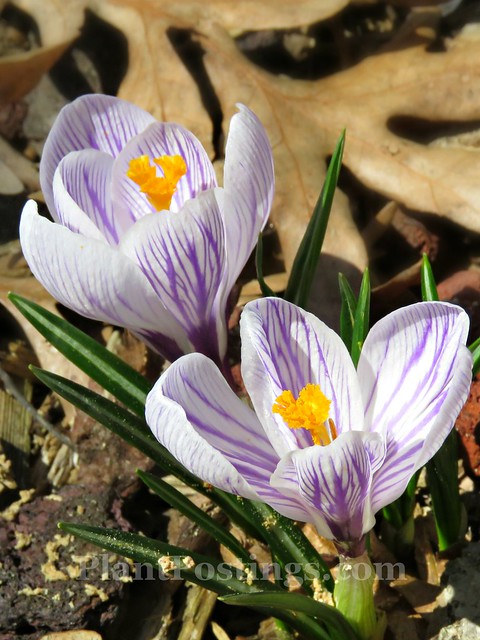
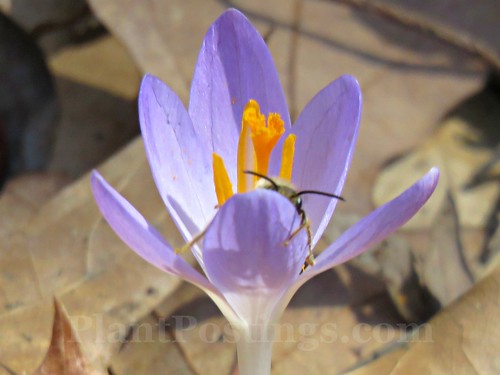
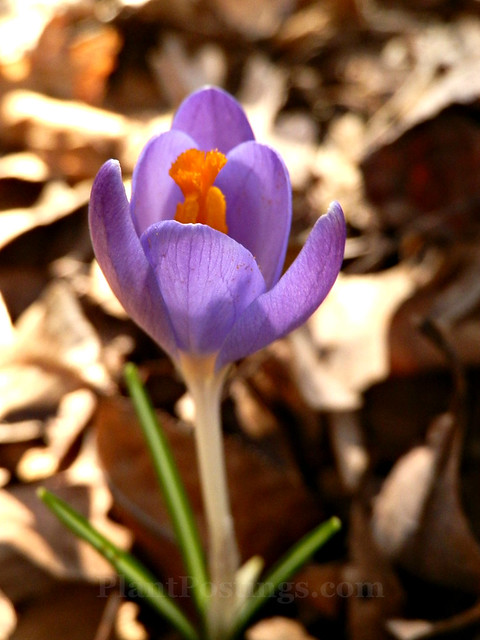
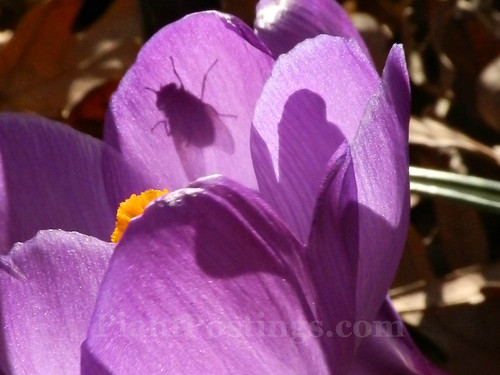
Dutch Crocuses (C. vernus);

snowdrop vase

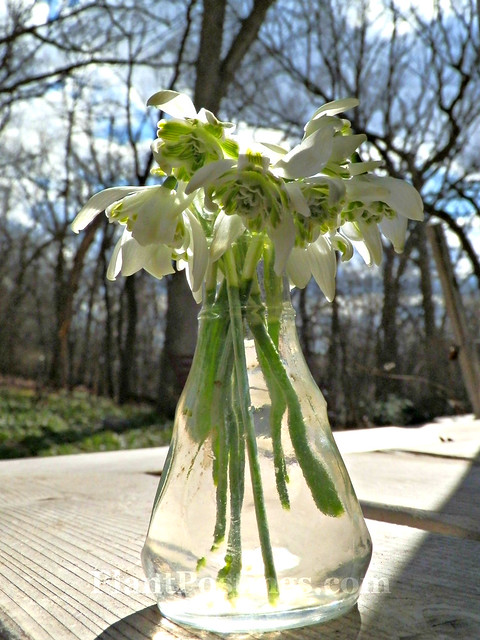
and Snowdrops. (I think these are Galanthus nivalis 'Flore Pleno.') These beauties were whipped around by our recent windstorm, so I clipped them for display in a bud vase and brought them inside.

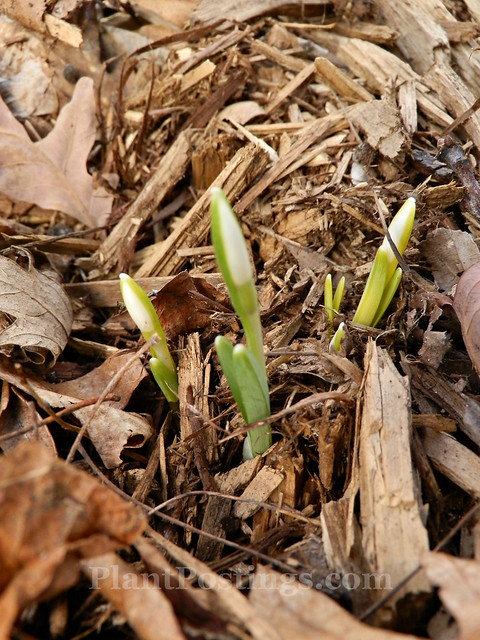
More flowering bulbs are preparing to bloom, including other Snowdrops, Crocuses, and Daffodils.

snowdrop buds

white crocus

daffodils

Looks like these guys will bloom next week, or after our current cold snap.

Many other signs of spring have surprised me this week, including:

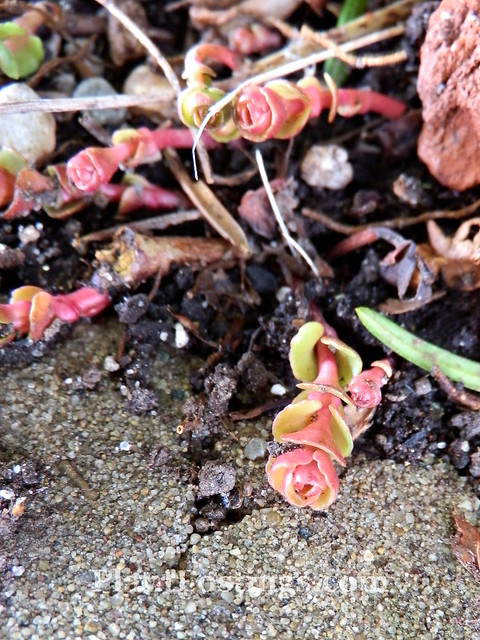
sedum 2

sedum 1

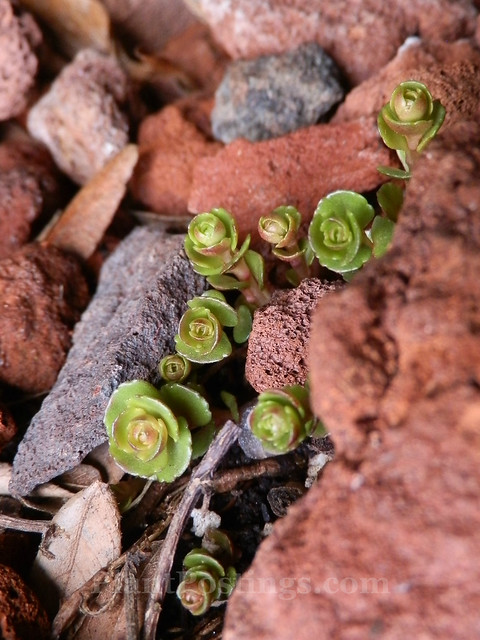
Tiny starts of Sedums;

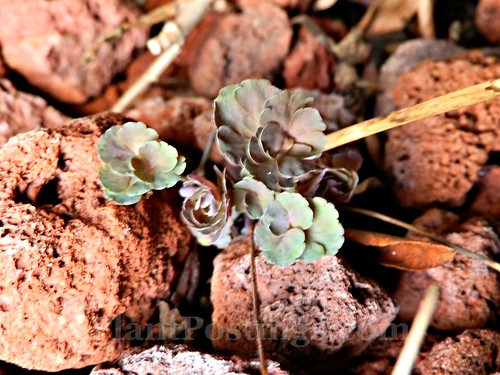
columbine

And Wild Columbine (Aquilegia canadensis).

Oh, and the happy results of an experiment:

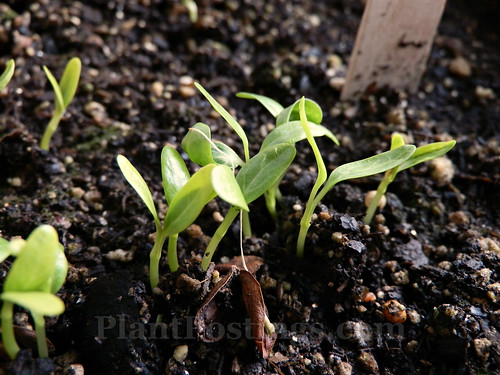
seedlings 1

A few weeks ago, I'd planted Swamp Milkweed (Asclepias incarnata) seeds--some from 2014 and some from 2015. Both germinated while I was gone, and it's clear to see that the newer seeds were more viable.

seedlings 2

I'm looking forward to transplanting these to the garden in May--more food for Monarch butterfly caterpillars!

I'm happy to be home to enjoy these first colorful, magical signs of spring!

I'm linking this post to Donna's Seasonal Celebrations meme. Head on over to her blog to read about how other gardeners are welcoming the new season ahead! Wrap-ups for the Garden Lessons Learned meme will appear soon on the PlantPostings Facebook page.

March 16, 2014

Seasonal celebrations: taking stock

mixedmedia

The crossroad of winter and spring is a fascinating place--where last autumn's leaves, winter's melting ice and snow, spring's new plant growth, and other mixed media from nature come together.

Like other gardeners at this time of year, I'm taking stock of which plants survived, which ones may have died, and any damage from the brutal winter and herbivorous critters.

I'm linking in with Donna's Seasonal Celebrations and Pam's Foliage Follow-Up.

toad

This little toad has greeted me on the back porch table all winter--teasing and reminding me that spring eventually will come again. The Pansies in the pot behind him appear to have survived temperatures well below 0F (-18C). Is that possible? I guess I'll find out if they start growing new shoots.

lamium

Spotted Deadnettle (Lamium maculatum) is making an appearance right on schedule. I wouldn't be surprised to see it blooming soon. Amazing little ground cover plant!

moss

Whenever the snow recedes, there's always a healthy crop of Moss. The plant nerd in me loves the delicate textures and colors of Moss--I could study it for hours.

pachysandra

Pachysandra (P. terminalis) stays evergreen--even after repeated arctic blasts. Soon these little green buds will transform into delicate white flowers.

daffodils

Plenty of Daffodils are making their appearance.

crocuses

Crocuses, too! These need protection from rabbits, so I need to add some type of barrier.

evidence

Speaking of rabbits, they've been partying with squirrels under our Yew bushes. I counted more than a dozen corn cobs in one small area, together with rabbit skat, gnawed branches, and torn-off foliage. Apparently rabbits avoid eating Yew shrubs ... unless they're starving. My imagination is running wild with images of rabbits, squirrels, mice, and other critters hunkering down here during the worst winter days ... not a pleasant sight.

hellebore

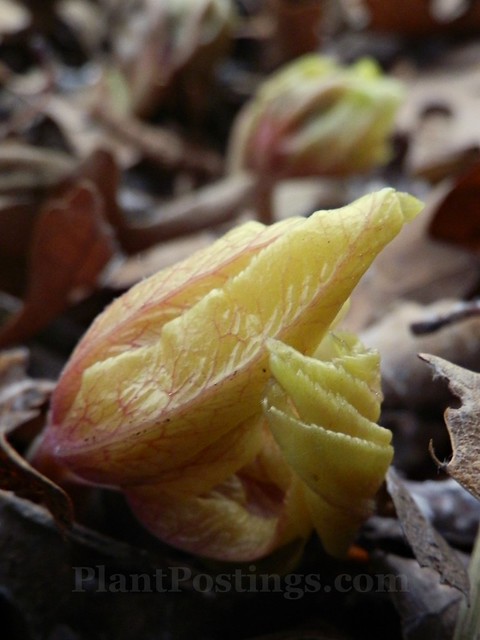
But one sight that has my heart singing is the first appearance of Hellebore foliage. Looks like they survived! The Oak leaf mulch and snow must have insulated them sufficiently. Yay!
Some areas of the garden still have mounds of snow, and in many spots the ground is still frozen. But every day brings more discoveries of plants and animals that survived this brutal winter.

Remember to check out Seasonal Celebrations and Foliage Follow-Up!

* * * * * * *

Coming soon: The Garden Lessons Learned wrap-up. Please share a post or your thoughts about lessons you've learned during the past few months. To join in, click here to leave a comment with a link to your post. Thanks!