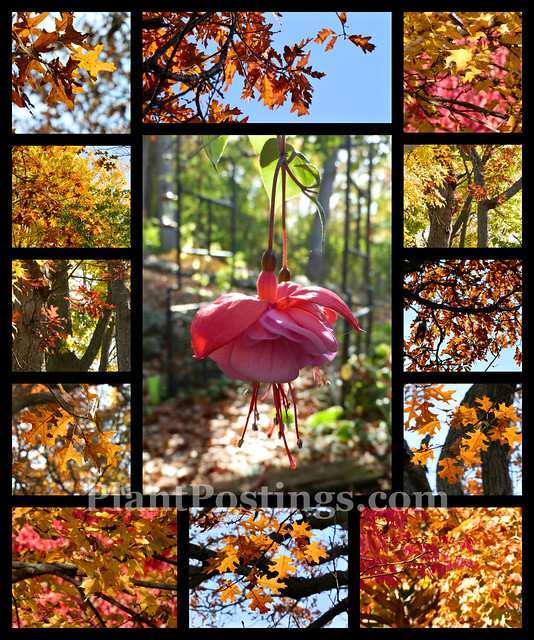
November 28, 2016

In a Vase at Season's End

sea oats

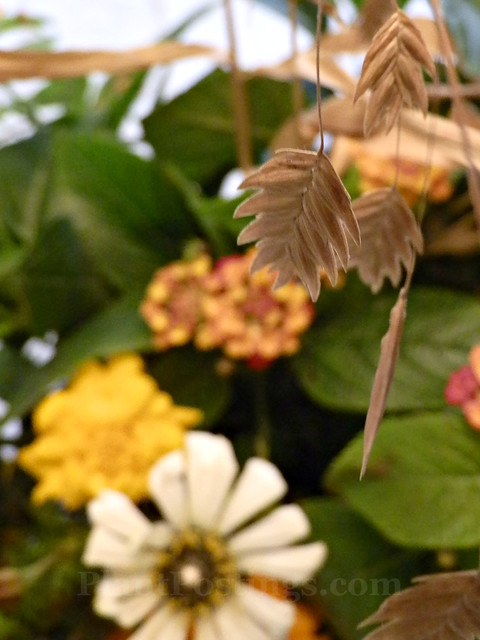
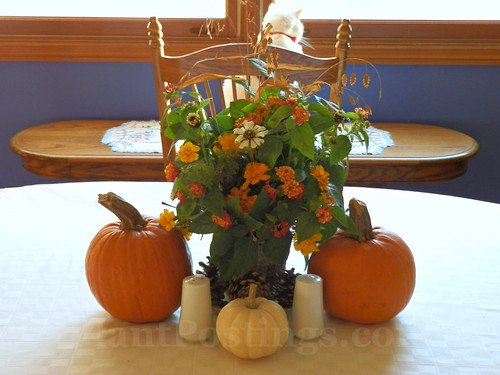
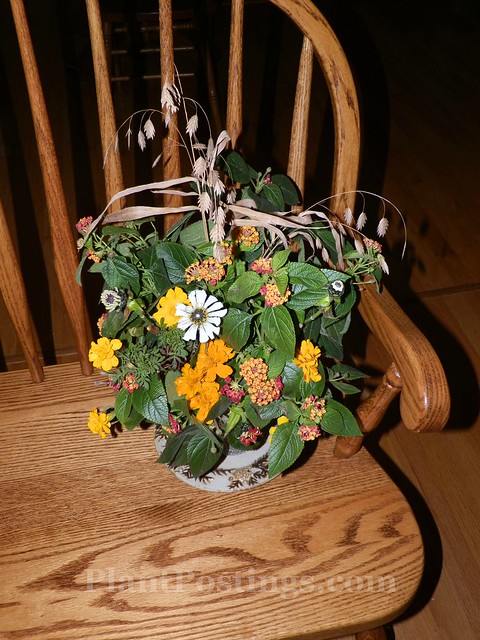
Just a few days before Thanksgiving, a first hard freeze hit our area--very late for Southern Wisconsin. I clipped the last of the garden blooms before it hit and created an arrangement of Zinnias, Marigolds, and Lantanas, with a few spikes of Northern Sea Oats.

table

For staging, I placed pumpkins and pine cones around the base. (This didn't last long, because the cat tried to chew on the lot.)

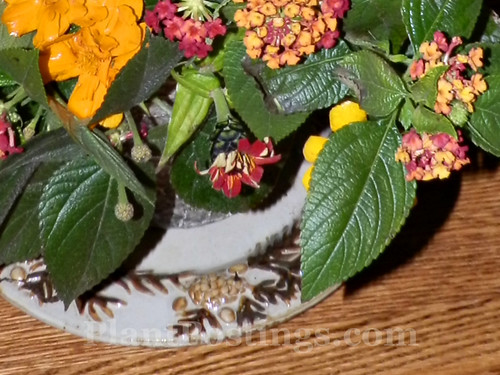
vase

The vase was saved one from a previous arrangement, which came with a matching autumnal saucer.

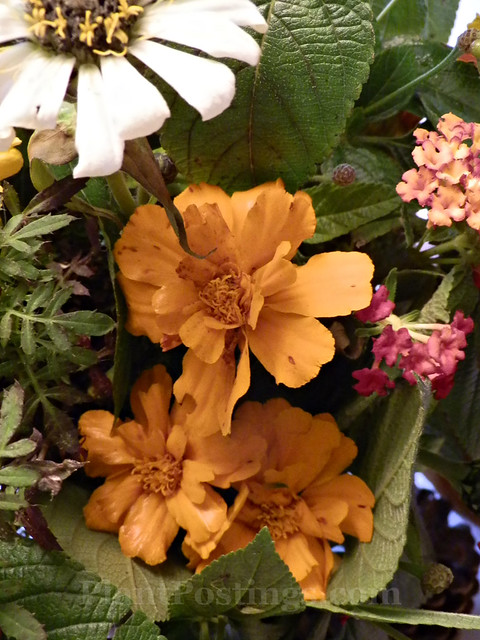
marigolds
Tagetes spp.

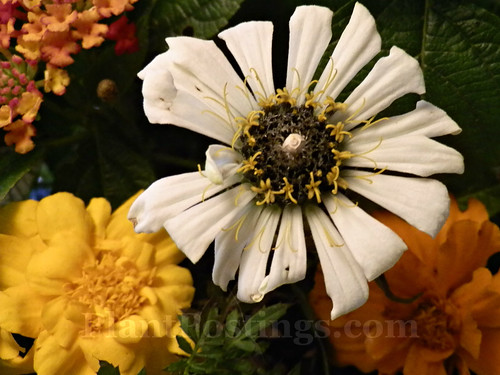
zinnia
Zinnia elegans

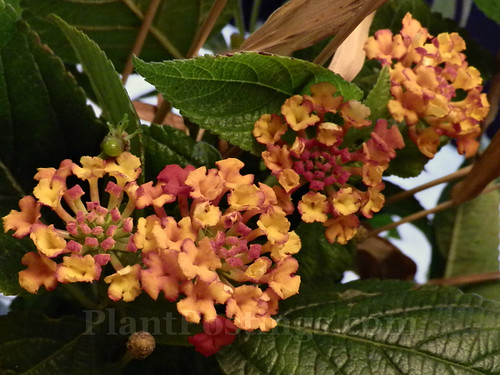
lantana 2
Lantana camara

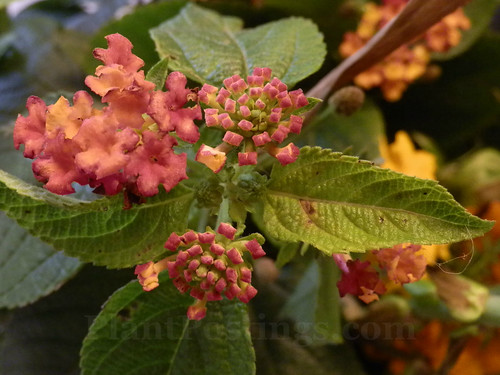
lantana 1
Lantana camara

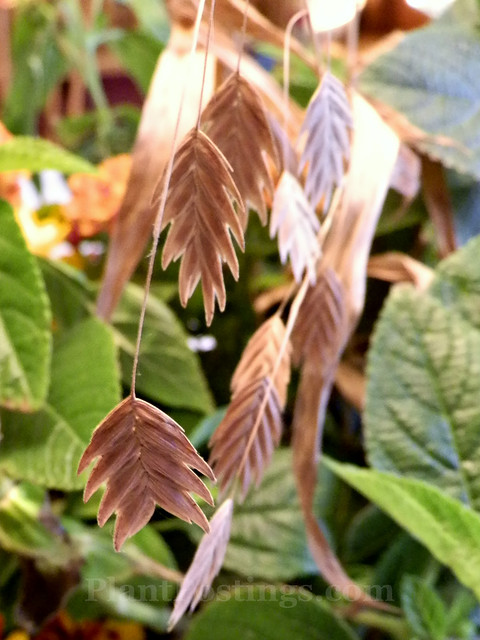
sea oats 2
Chasmanthium latifolium

bouquet

It's fading now, but it sure was nice to have cut flowers from the garden in late November.

Cathy at Rambling in the Garden hosts the meme In a Vase on Monday. Visit her blog for more cut-flower inspiration.

I hope all who celebrated had a wonderful Thanksgiving. Blessings as we move through the busy holiday season ahead!

November 11, 2016

Tomorrow's Big Picture

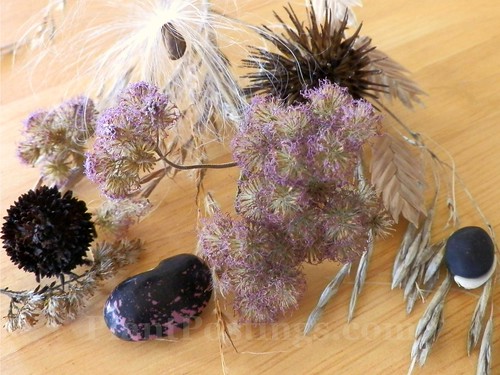
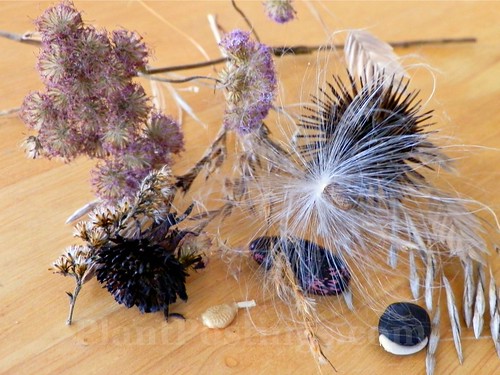
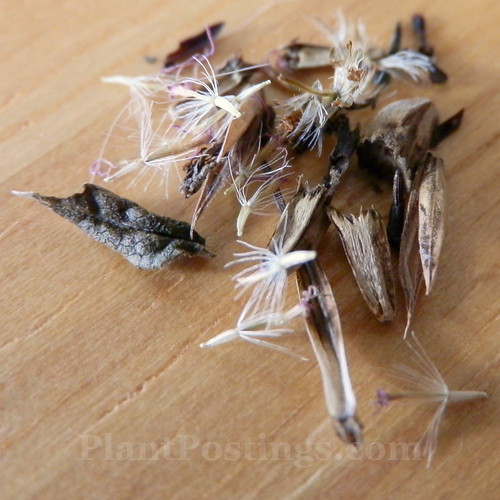
seeds1

I've been around long enough to know that today is tomorrow's past. The moment after the autumn leaves flame, they're "past peak." When a flower blooms, it starts to fade. When a human being reaches the pinnacle of his or her career (or health or vibrancy), that person begins a certain decline. When we're born, we begin to die (during this life, anyway).

This is not intended to be a downer post. On the contrary, it's to remind me there is more promise in a tiny seed than in a plant in full bloom.

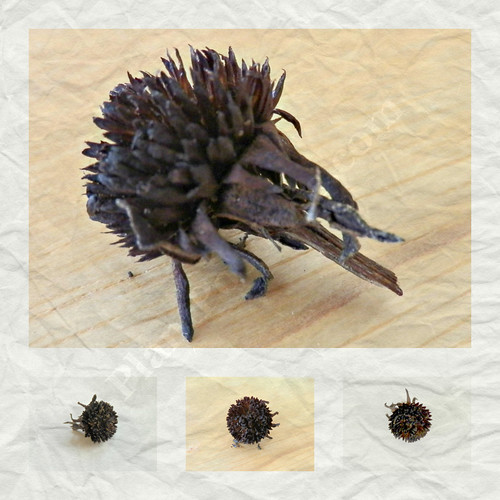
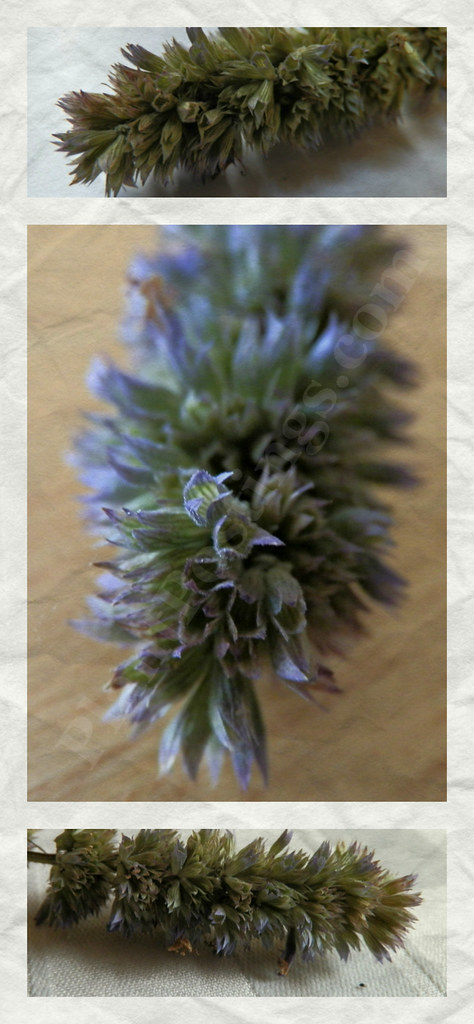
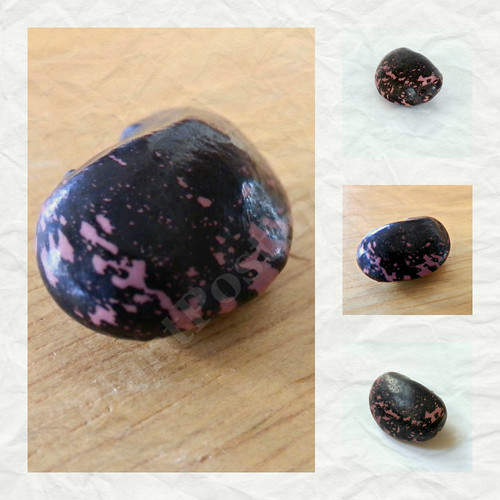
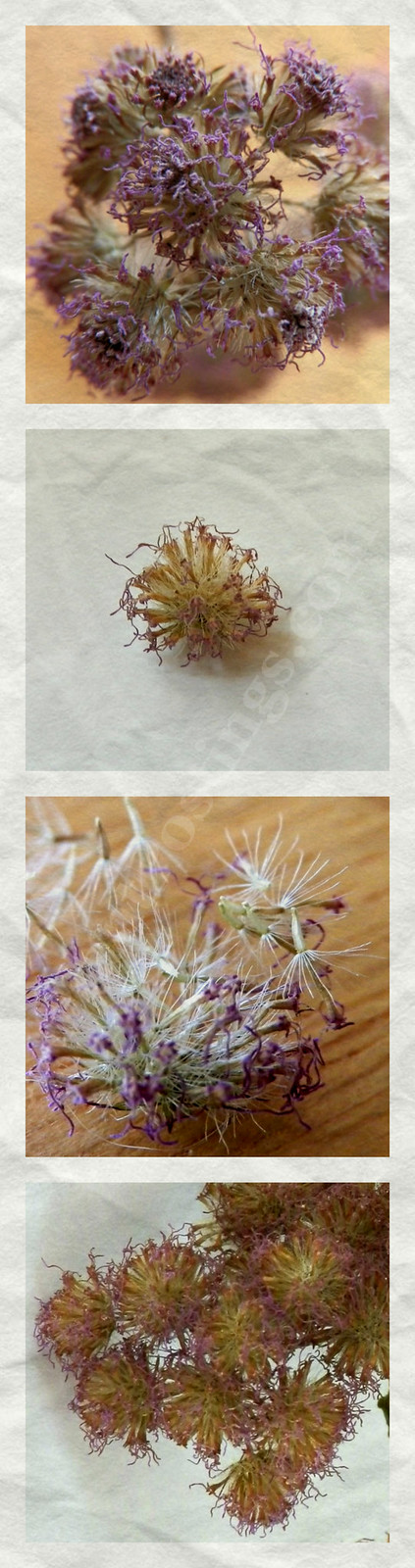
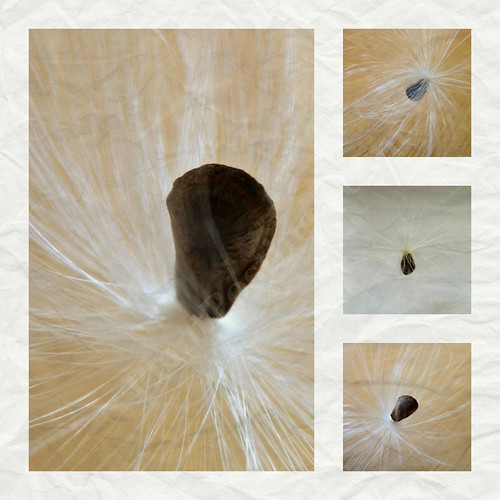
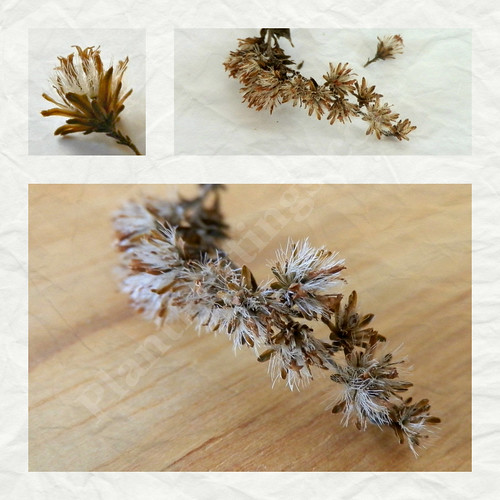
This autumn, I've been collecting seeds--studying them, playing with them, photographing them, appreciating them. What follows is a simple vignette of a few seeds and seedpods that have captured my curiosity.

rudbeckia
Rudbeckia hirta

agastache
Agastache foeniculum

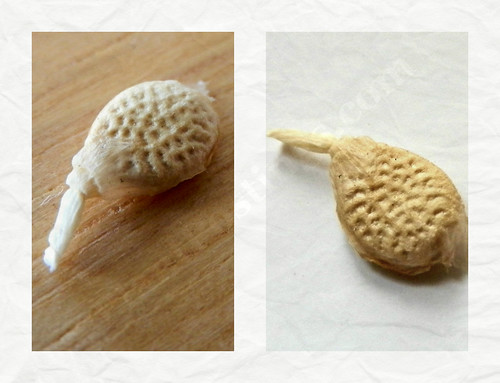
phaseolus
Phaseolus coccineus

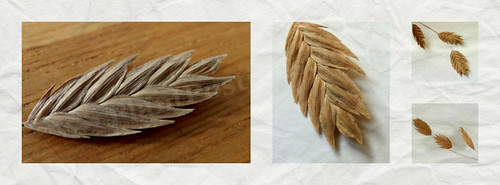
chasmanthium
Chasmanthium latifolium

passiflora
Passiflora incarnata

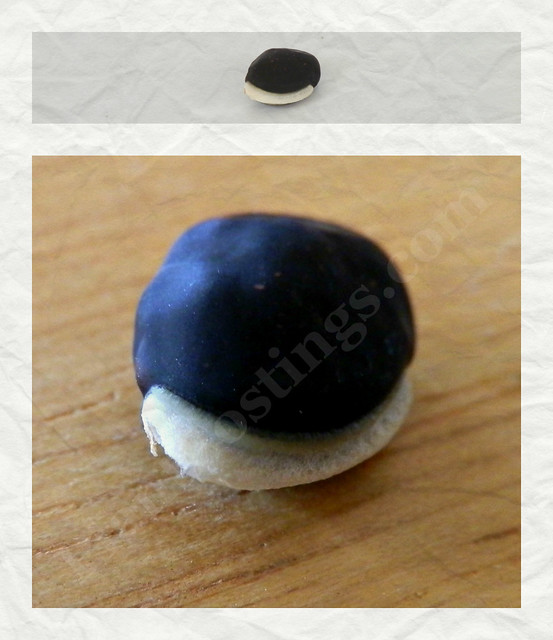
lablab
Lablab purpureus

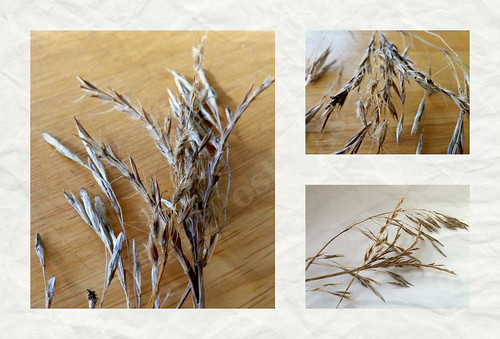
grasses
Mixed prairie grasses

echinacea
Echinacea purpurea

conoclinium
Conoclinium coelestinum

asclepias
Asclepias tuberosa

solidago
Solidago rugosa 'Fireworks'

All these plants are dormant. To some, they appear small ... insignificant ... boring. To the wise among us, they're stunningly beautiful ... full of promise ... worthy of great praise.

And lest we think of them as "little" things, we must remember that these tiny seeds, together ...

seeds2

... are tomorrow's "big picture."

They are beautiful and powerful alone, but together in all their diversity and flaws, they can change the world.

pile

Messy, yes ... but think of what they will become.

October 31, 2016

Plant of the Month: Virginia Waterleaf

opening
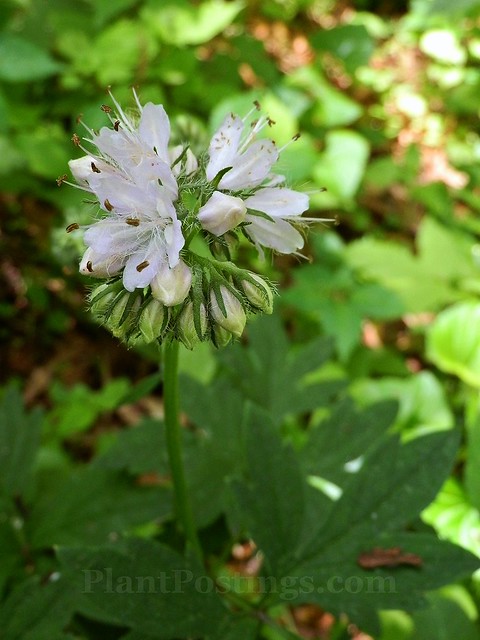
Hydrophyllum virginianum in springtime

I noticed a few patches of Virginia Waterleaf (Hydrophyllum virginianum) in our woodland the other day--not the spring flowers, but the foliage.
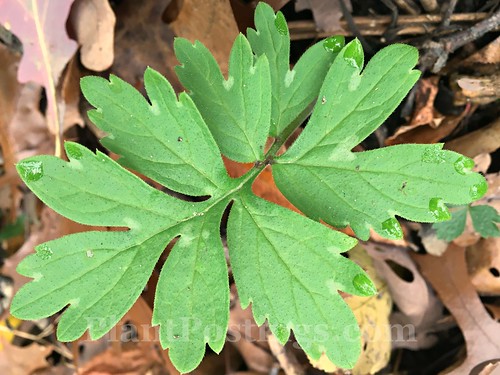
autumn wet  year
Hydrophyllum virginianum this fall

Normally they'd be dormant by now in my climate--either dried by parched late-summer days or liquefied by autumn frost. Neither has happened here ... yet.

It's been unseasonably warm and rainy through September and October. We still haven't had a frost (although some areas nearby have had a very light one). In any case, the Virginia Waterleaf is still green.
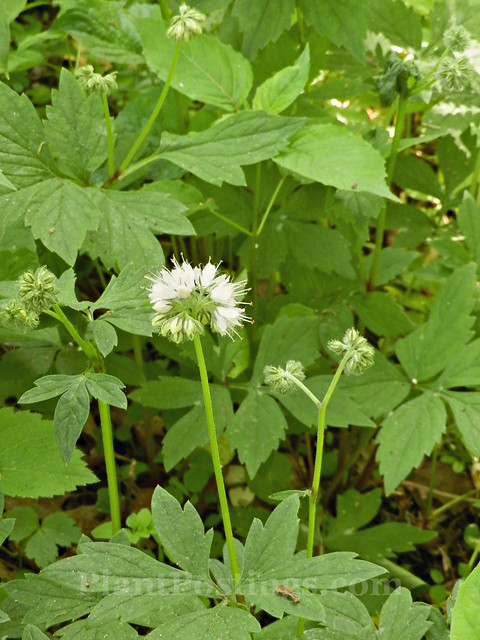
flowers and foliage

In the spring and summer, it's a hearty and hardy woodland garden plant. Some consider it a little "weedy," but our woodland is a bit wild. We tend to take a "hands-off" approach in this part of the property--removing only non-native invasive plants.

Virginia Waterleaf has a welcome home in the woodland and the woodland edge. It's a good placeholder to compete with Garlic Mustard (Alliaria petiolata), which is a non-native invasive that would take over the woods if not removed.
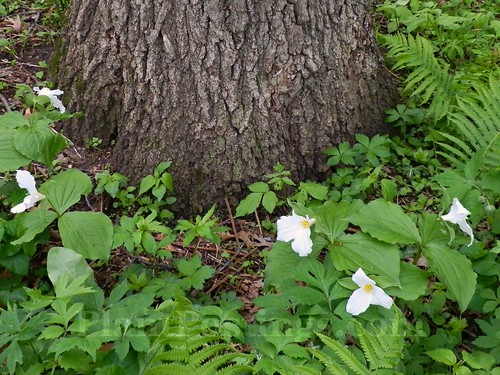
wildflower patch

Virginia Waterleaf is a natural, pleasant companion to Trilliums, ferns, and other woodland plants. It's a fascinating little plant, really.
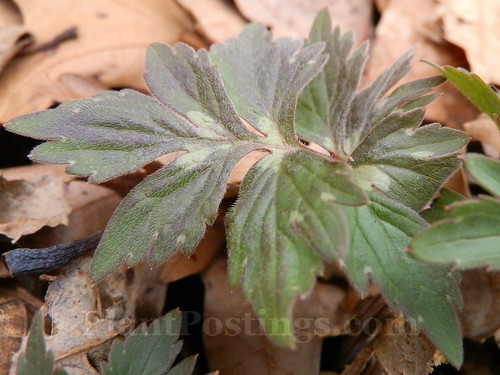
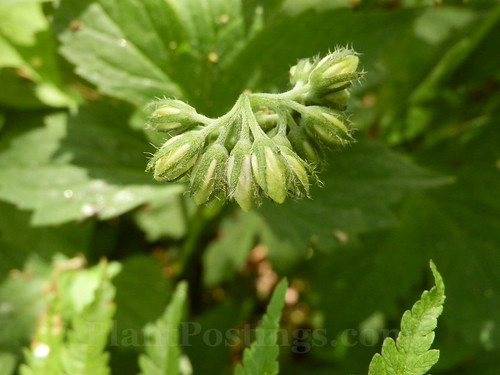
spring

buds

flowers

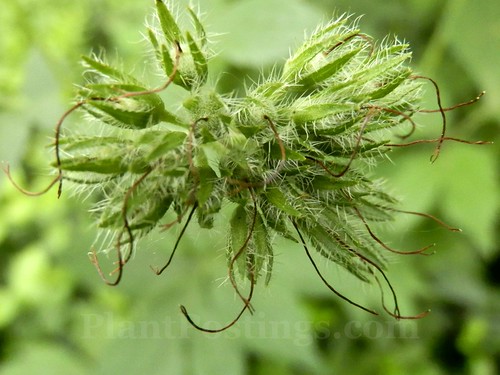
seeds

From emergence to bud, to bloom to seed, and beyond.
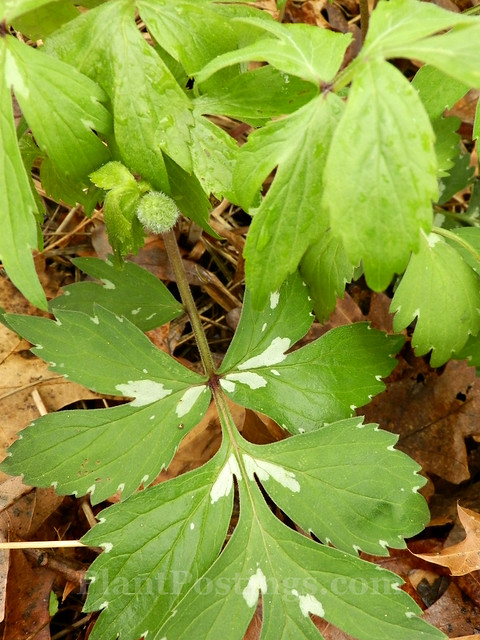
foliage and bud

The name comes from the water-drop-like marks on the foliage.

Its native distribution extends through eastern North America--from Quebec to Manitoba, south through the Carolinas and west to Kansas, according to the Lady Bird Johnson Wildflower Center. Growing conditions include:

  • Prefers part shade or shade;
  • Thrives in rich, mesic soils;
  • Spreads via rhizomes and seeds; and
  • Is hardy in USDA zones 4-9.

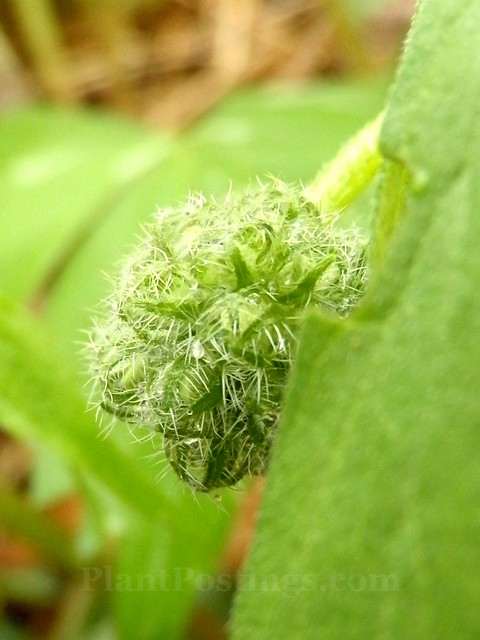
tight buds

I find the tight buds particularly enchanting.
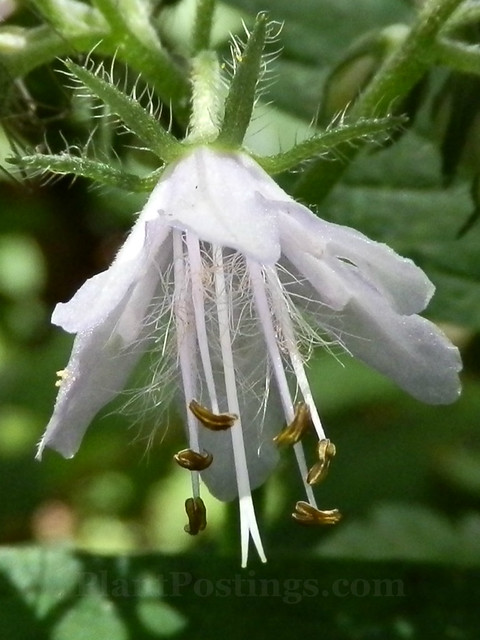
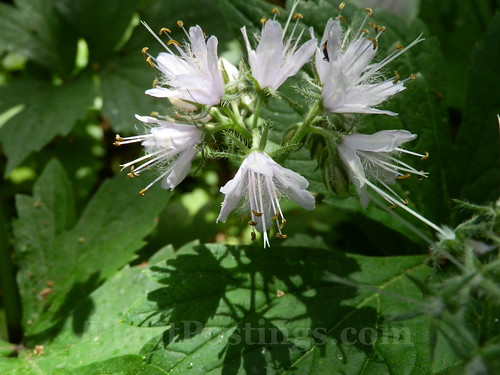
hairy flowers

The five-petal flowers with hairy stamens and sepals are quite whimsical, and they welcome pollinators during their brief bloom time. The color ranges from white to a light lavender hue.
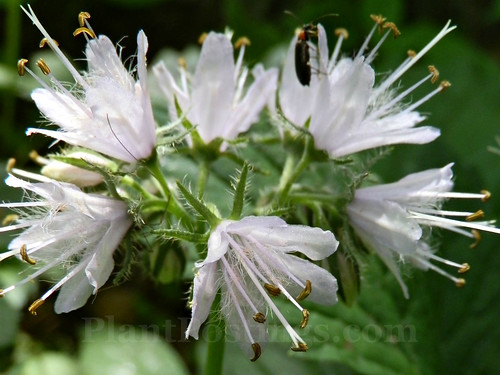
circular

Over the years, my appreciation has grown for this fluffy native plant with "water-stained" foliage.

(Linking to Gail's Wildflower Wednesday, a few days late.)