August 15, 2016

Made in the Shade on This August Bloom Day

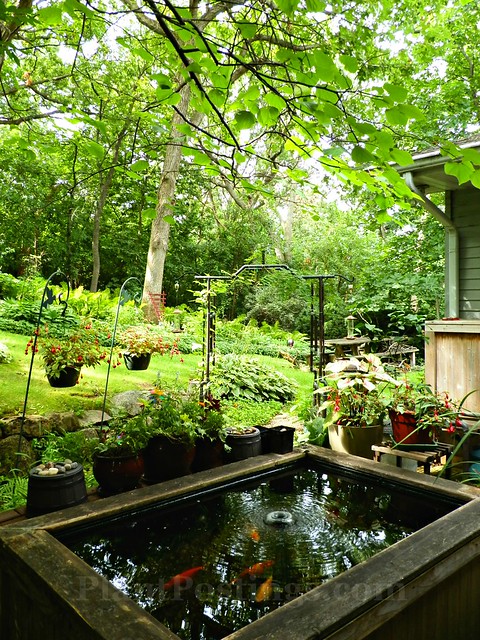
pond to back garden
A tilted, angled view--up and over the pond and patio and into the back garden.

It's Garden Bloggers' Bloom Day--a meme hosted monthly by Carol over at May Dreams Gardens.

It's been a warm, humid summer here in Southern Wisconsin, but I won't complain! I like the heat; the cold weather will have its time. Plus, a shady backyard has its merits during a hot summer.

First, a few updates from the sunny garden I favored in July:

may night

The purple Salvia (S. nemerosa 'May Night') is on its fourth or fifth round of blooms, after repeated deadheading. Each trim encourages new blooms for the pollinators.
lantana flame

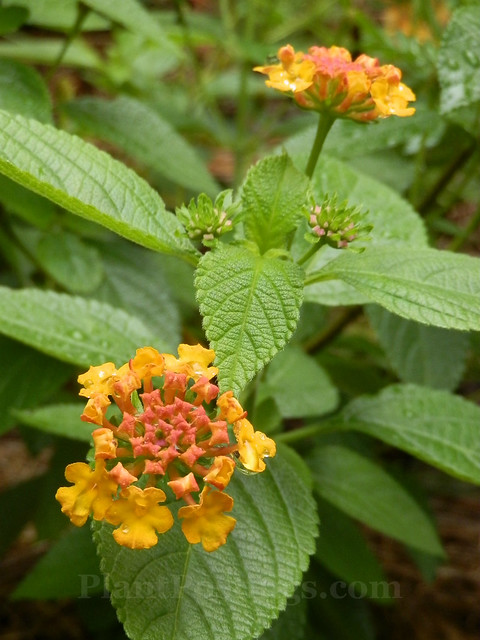
After comparing several cultivars of Lantana (L. camara), it appears 'Lucky Flame' is the best choice for my little patch of sunny garden, because of its height and repeat blooms. Other gardeners will have different conditions and preferences, but you can't go wrong having a few Lantanas in a pollinator garden.
angelonia

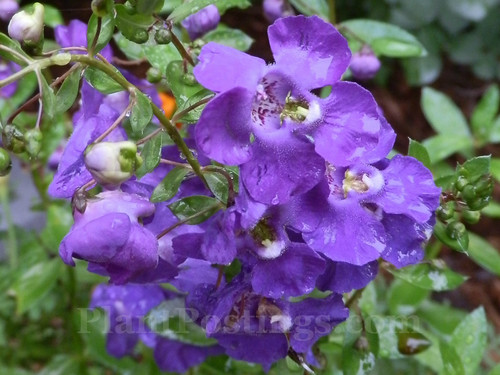
These photos were taken following a soaking rain, so the Angelonias (A. augustifolia 'Angelface Blue') were a little floppy. After a bit of sun, they perked back up. This is another fabulous repeat bloomer--from planting to first frost.
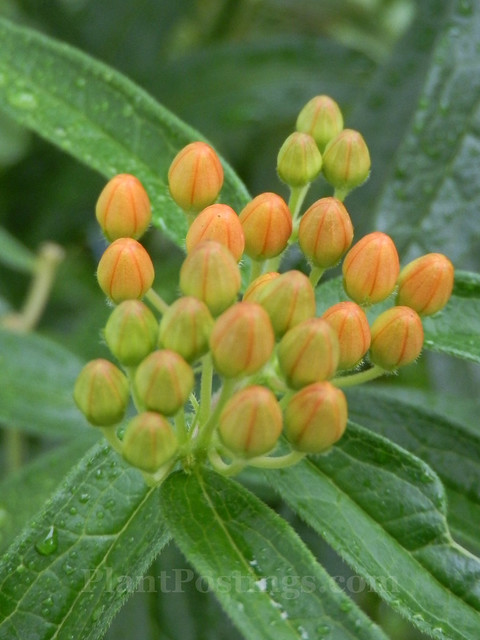
butterfly weed

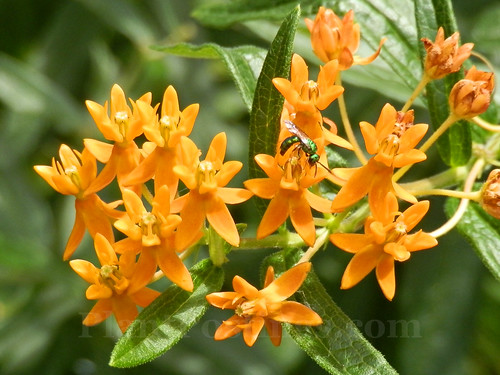
The Butterfly Weed (Asclepias tuberosa) continues to produce new buds and flowers. I don't remember them blooming this long during past seasons, and they're putting out a bumper crop of seed pods, too. I will need to share.
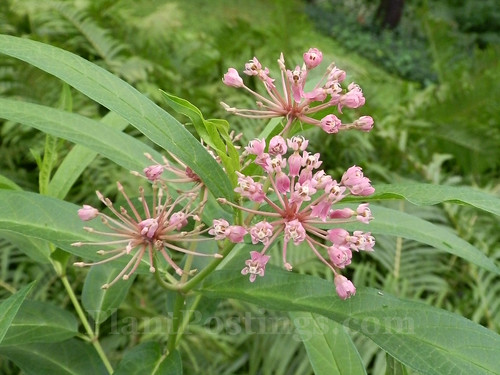
swamp milkweed

Meanwhile, the Swamp Milkweed (Asclepias incarnata) in partial shade is winding down its blooming. This is a fun plant to watch at the peak of bloom, as it's a pollinator magnet--drawing in bumbles, honey bees, butterflies, and hummingbirds ... often at the same time.

I added several more patches of both Swamp and Butterfly Milkweeds this year--to benefit the Monarch butterflies and their caterpillars, and because they're delightful garden plants.
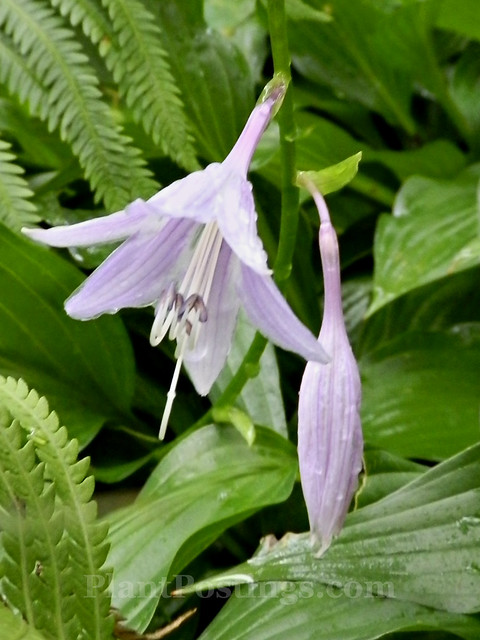
equinox hosta

Some plants seem to be blooming a little earlier this year, whether it's because of our warmer summer or a message of some kind (early frost?). I've always perceived this Hosta, planted by the previous owners, to be Hosta of the Equinox (H. aequinoctiiantha), since it's smaller than the Longpipes Hosta and it usually blooms in September.
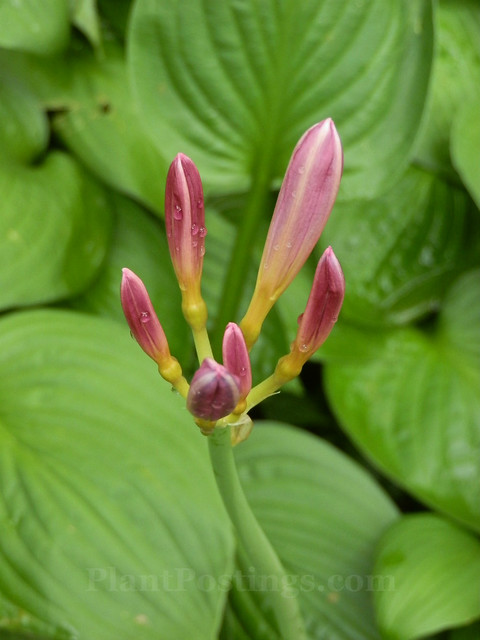
lycoris buds

Each year, it seems the Resurrection Lilies (Lycoris squamigera) bloom a little earlier. I caught this one in bud phase, just after it popped up overnight out of the Hostas that surround it. Now it's blooming.
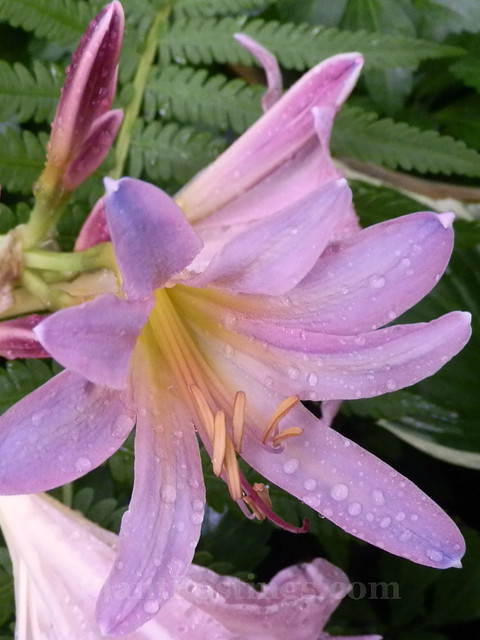
lycoris flowers

Also nicknamed "Surprise Lilies" and "Magic Lilies," they're fresh and fragrant, and have a long vase life as cut flowers.
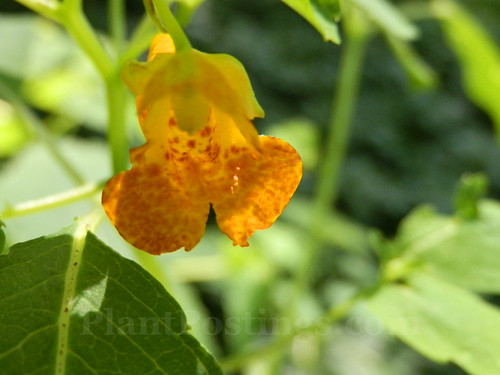
jewelweed

The Spotted Jewelweed (Impatiens capensis), a native annual, is blooming and putting out seed for next year.
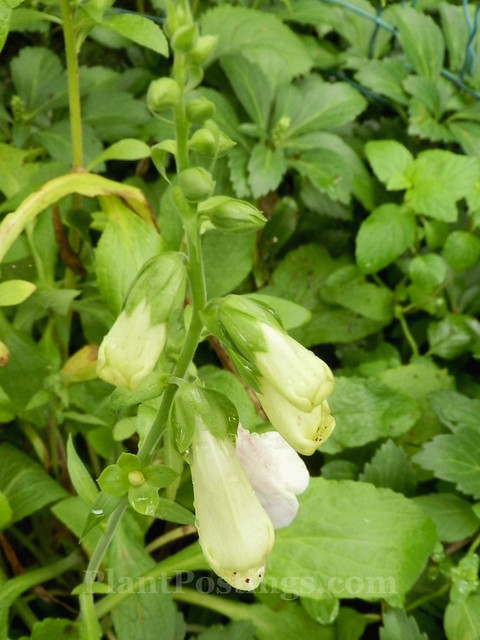
foxglove

The 'Camelot Lavendar' Foxglove (Digitalis) is performing a late-summer show.
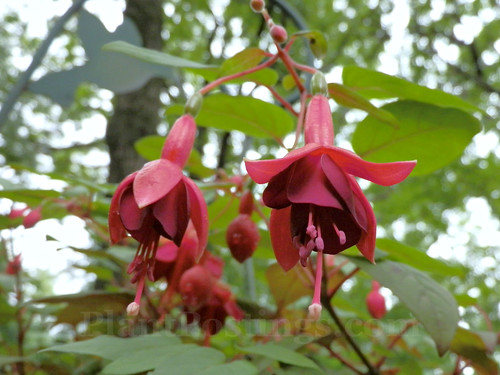
fuchsia

I've had the best luck with the hybrid Fuchsia 'Marinka.' These beauties like the dappled shade of the back garden, even during warm weather. I overwintered two hanging baskets, and they rewarded me with new growth and blooms this season.
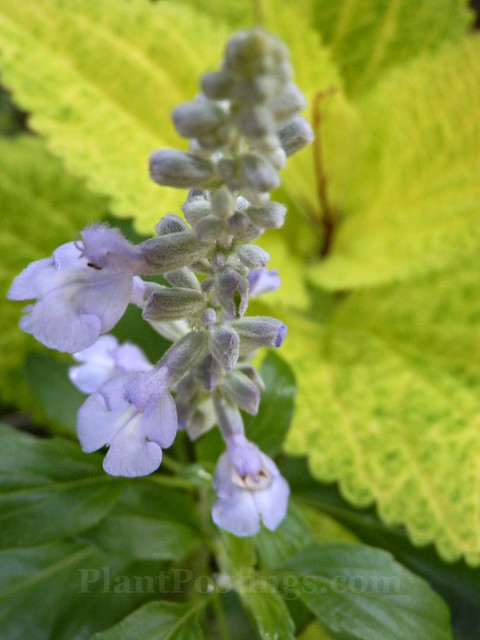
cathedral sky blue

'Cathedral Sky Blue' Salvia (S. farinacea) prefers full sun, but it's working for me in partial sun, facing south. It's a pleasant companion with Coleus 'Wizard Pineapple.'
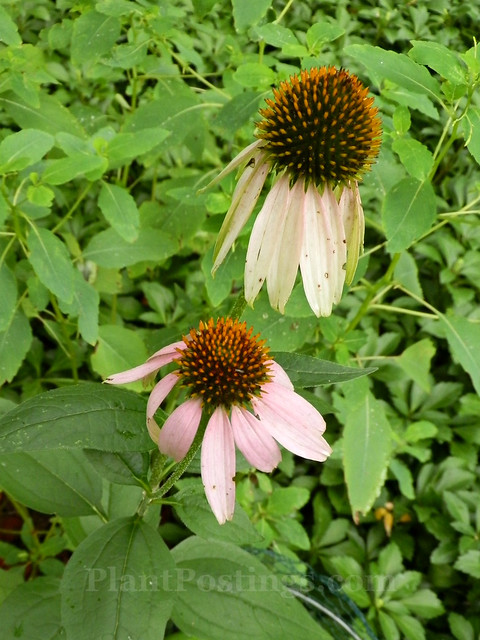
echinacea

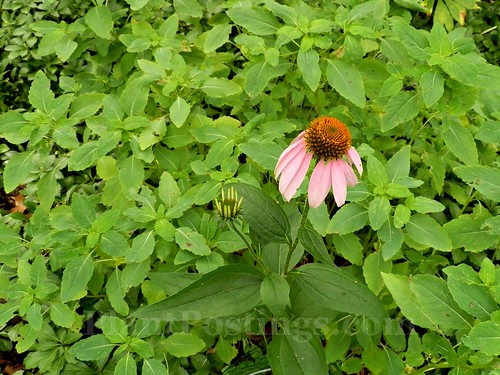
The Coneflowers (Echinacea purpurea) I planted in partial shade a couple of years ago were rabbit food last summer. They're back, and hopefully they'll fill in more next year. I have more planted behind fencing in the sunny garden.
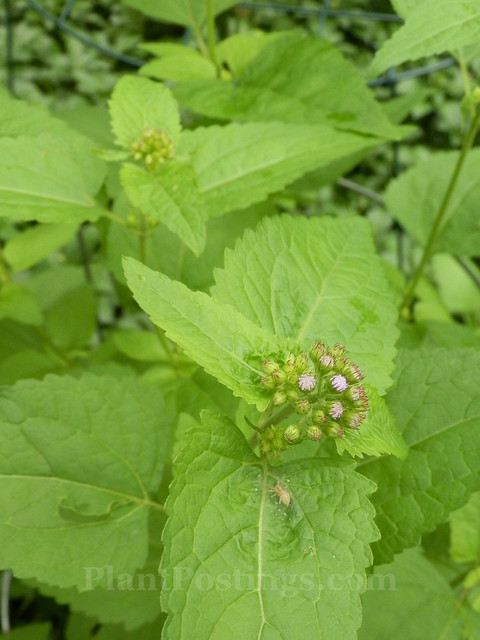
mistflower

Finally, Blue Mistflower (Conoclinium coelestinum), another butterfly magnet, is preparing to bloom.

That's a sampling of what's blooming for me this warm August. What's blooming in your garden? To see what's happening in gardens around the world visit May Dreams Gardens.

August 06, 2016

A Twin Cities Fling: Part II

veras 3
What could be better than starting the morning with butterflies and gardens?

The light was magical on the second day of the recent Garden Bloggers' Fling (see day one summary here). Our first stop was Vera's Garden, a community garden nestled along a portion of the Midtown Greenway, a five-mile bike route through the heart of Minneapolis.

veras 4

It was an awesome place, and the oblique angle of the early sun captured the colors and shapes of the plants in nifty ways.

veras 1

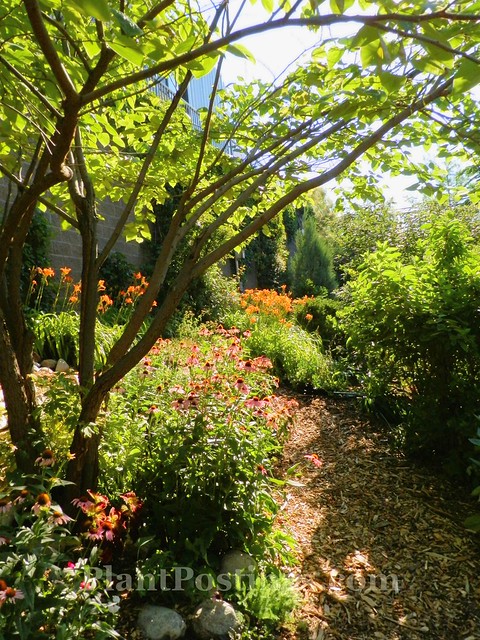
Glancing down a shaded path, the morning view had a "secret garden" aura.

veras 2

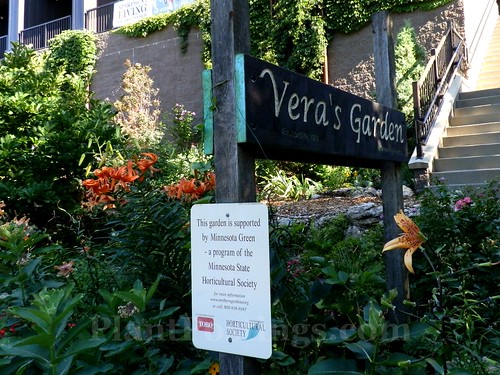
The ornamental and vegetable beds at Vera's Garden are maintained mostly by volunteers and sponsored by Minnesota Green, a program of the Minnesota State Horticultural Society.

veras 5

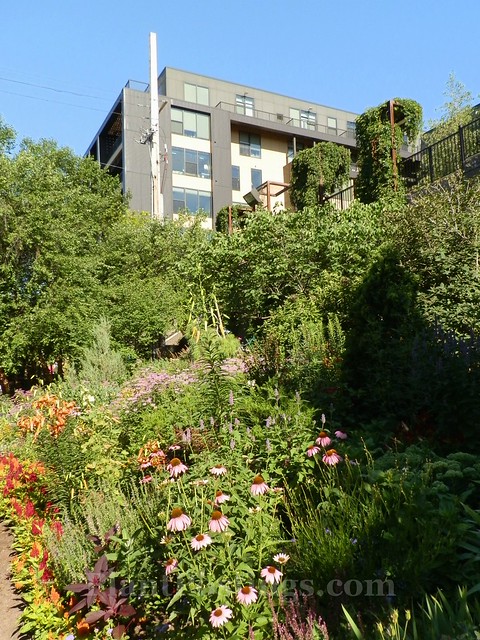
Vera's Garden was a pleasant blend of urban structure and vibrant, colorful green space.

suburban 1

Next, we headed to the western suburbs, where we visited several private gardens. The owners of these properties displayed helpful tips on how to deal with gardening challenges--from critters, to invasive plants, to heavy shade.
suburban 2

Once again, the oblique light on this partly cloudy day was magical.

suburban 3

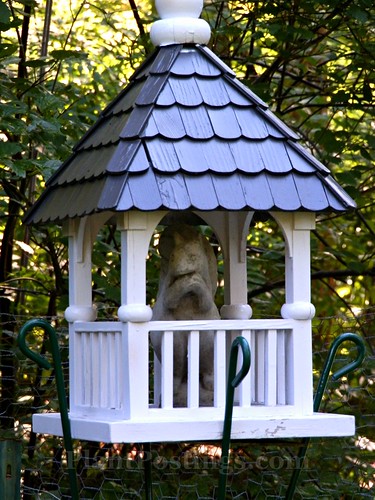
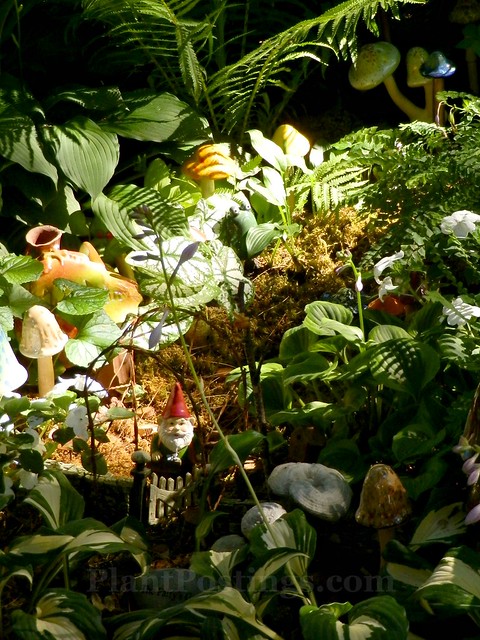
If you looked closely in this garden, you could see tiny friends observing the day's excitement.

suburban 4

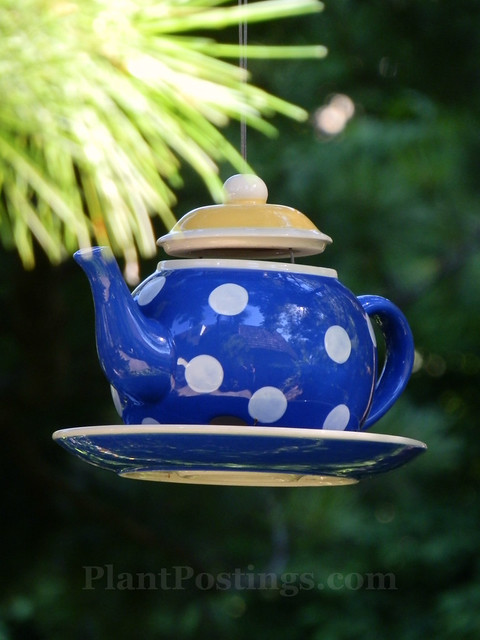
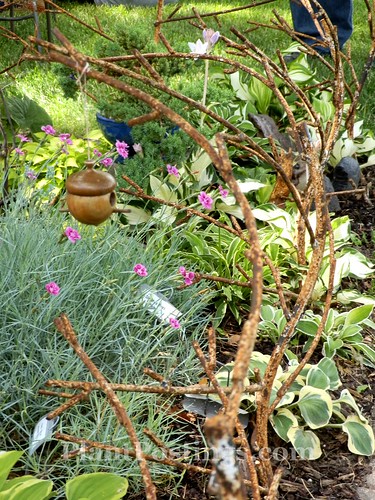
Quaint touches, like this garden's miniature tea pot bird feeder hanging near the path, were around every corner.

suburban 5

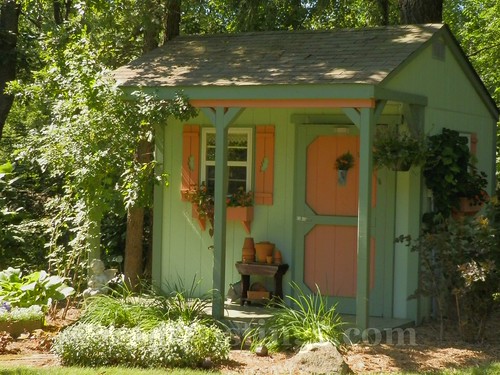
We drooled over this colorful potting shed, which fit perfectly in the setting.

suburban 6

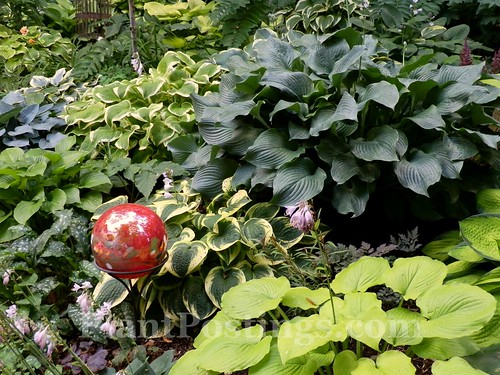
Hostas in all sizes, shapes, and colors were artistically arranged.

suburban 7

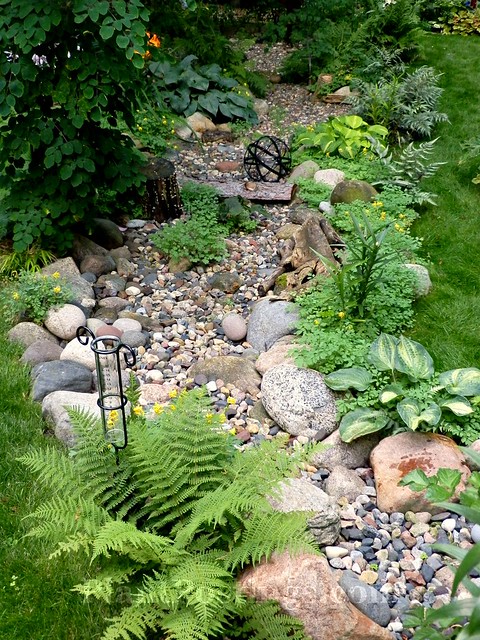
I really enjoyed this creative rain garden designed to capture precipitation and prevent runoff on a steep grade. The plants, rock arrangements, and little touches were exquisite.

suburban 8

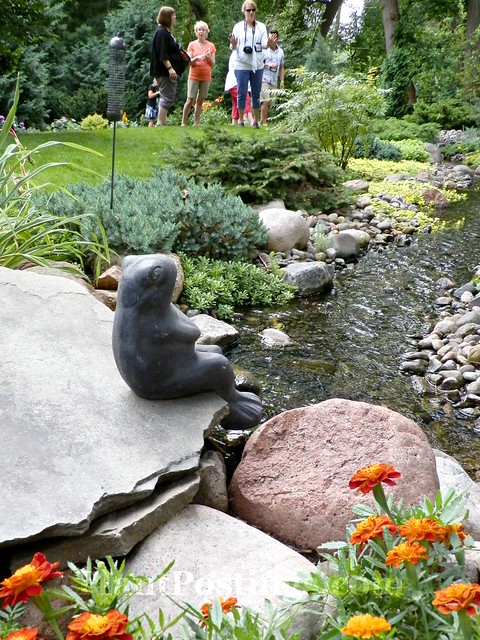
And then there was this incredible 100-foot stream in one of the gardens. It looped around the side yard and recirculated water along its path.
guldberg 1

Next stop: The Guldberg's, for a comfy, dreamy lunch by the lake. Nancy Guldberg is a master gardener and one of the organizers of the local garden tour. We relaxed in her idyllically located garden between Lake Minnetonka and Lake Virginia.

guldberg 2

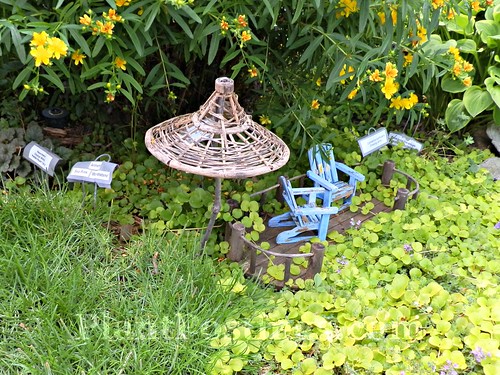
Nancy's miniature garden featured tiny vignettes she designed with her grandchildren. The scenes change from year to year, including miniature varieties of plants and herbs combined with "fairy garden" accessories.

guldberg 3

Decorative twig-shaped fencing marked the borders along the edge of the miniature garden.

guldberg 4

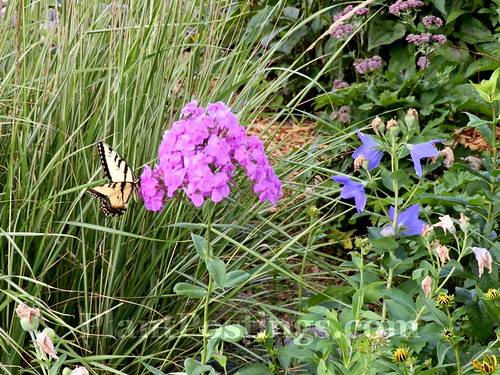
At Nancy's garden, the lake, the open air, and pollinator-friendly plants, welcomed butterflies, like this Eastern Tiger Swallowtail.

springwood 1

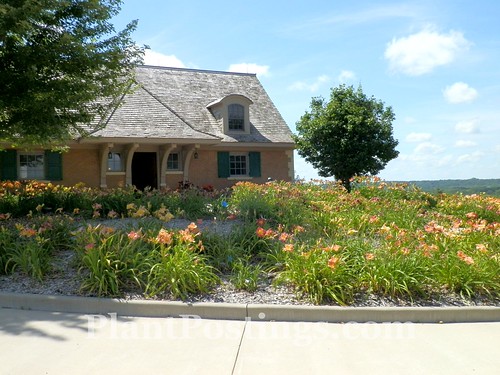
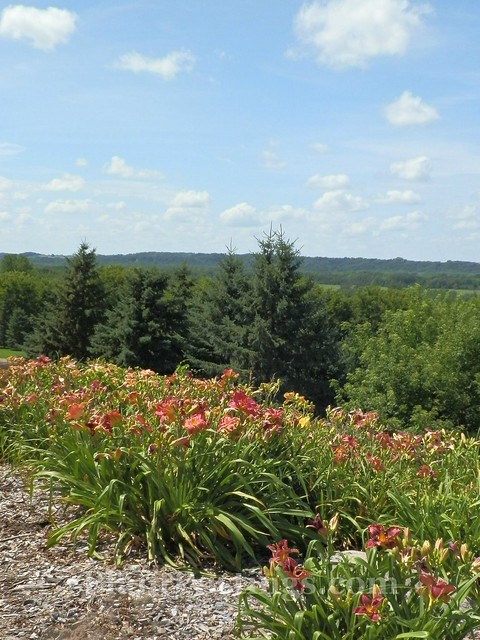
Next, it seemed fitting to spend the afternoon at Springwood Gardens, a large daylily breeding and display garden. Once again, the light was perfect for the setting--a grand hilltop overlooking prairies and woodlands.

springwood 2

Puffy clouds, daylilies, and awesome pastoral views as far as the eye could see.

springwood 3

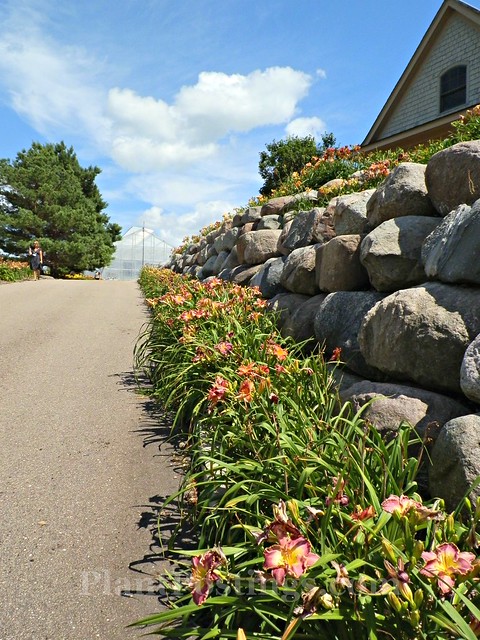
Karol Emmerich, the breeder/owner of the operation, had planted daylilies everywhere--even artfully lining the back road leading to a work area.

springwood 4

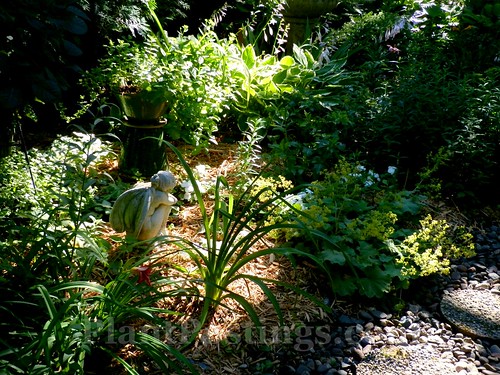
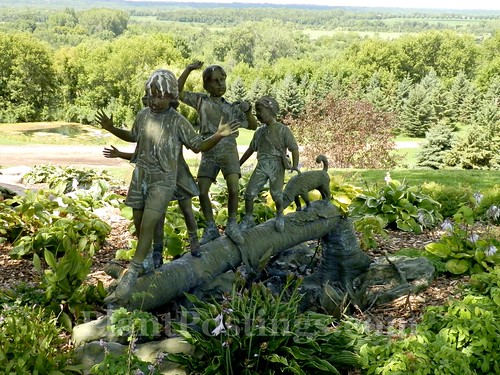
The statuary collection at Springwood Gardens was as fascinating as the daylilies. I found myself particularly enamored of this piece--imagining these children dancing and balancing across a log "bridge" on a warm Midwestern day. With the backdrop of the layered terrain, this piece looked different from every visual angle.

arboretum 1

We ended the day at the Minnesota Landscape Arboretum--another lovely setting.

arboretum 3

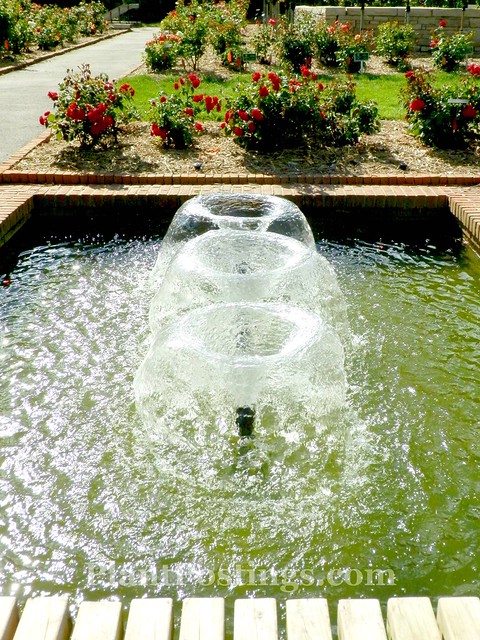
Water features and seating areas greeted us along the paths of this impressive 1,200-acre, University of Minnesota public property.

arboretum 2

We had limited time to explore because of our necessarily packed Fling schedule, but we briefly roamed the grounds to view various areas with colorful, expertly arranged plants.

arboretum 5

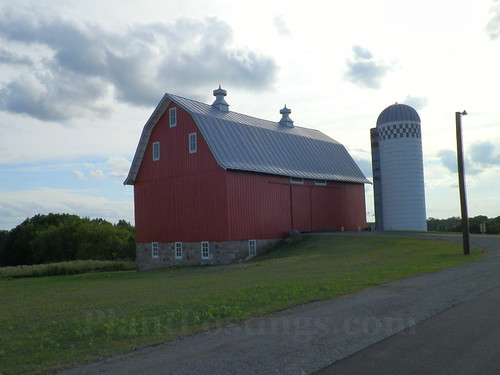
Some of us had a sneak peek at the arboretum's soon-to-open bee and pollinator discovery center. Located next to the arboretum's iconic Red Barn and outdoor museum, the new discovery center will feature exhibits on the social behavior of bees and their vital role as pollinators of our food supply. The discovery center is scheduled to open this fall, so I hope to get back soon to see it in operation.

As the magical daylight waned, we gathered inside an auditorium for a Minnesota-themed buffet dinner, and we wondered how day three could possibly compete.

Thanks to all the organizers, sponsors, gardeners, and homeowners for a wonderful day two at the Garden Bloggers' Fling! More to come here on this blog, and others continuously updated at the Fling website.

July 30, 2016

Disappointments, Surprises, and a Little Patience

bumble
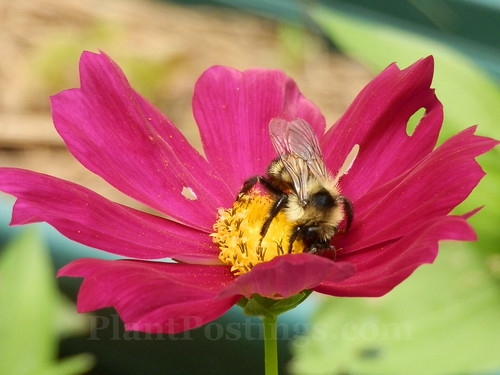
This "vision" worked: a happy bumble bee on a 'Sensation Mix' Cosmos (C. bipinnatus).

Have you ever had a plan or a "vision" for your garden that didn't work out?

That's what happened to me last year. I realized I didn't have enough fall-blooming, native perennials in the shady section of the garden, so I planted some.

In my mind, the Blue Mistflowers (Conoclinium coelestinum) would form a magical, soft swathe around the Swamp Milkweed (Asclepias incarnata). The Zigzag Goldenrod (Solidago flexicaulis) would arch gracefully along the trellis, and the False Asters (Boltonia asteroides) would bob and sway surrounding the Anise Hyssop (Agastache foeniculum) and the 'Vibrant Dome' Asters.

Unfortunately, the rabbits had a different vision. They ate all these plants down to the ground, except for the Milkweed (no taste for it), a few of the Asters, and the Mistflowers (which I rescued in time).

After decades of gardening--much of it in this current unbalanced ecosystem--I should have known. But most of these plants (except for the Asters) are generally considered "rabbit-resistant." Well, apparently these rabbits didn't get the message. I'd say a different animal was to blame, but the clues were obvious (and too numerous to list here). Not to mention trying to chase the long-eared pests out of this part of the garden several times.

So, I had to get creative. While the Agastaches and the Boltonias didn't return this year (whether victims of rabbit death or the freeze/thaw curse, I'll never know), the others did. And I discovered some happy surprises.

misflower

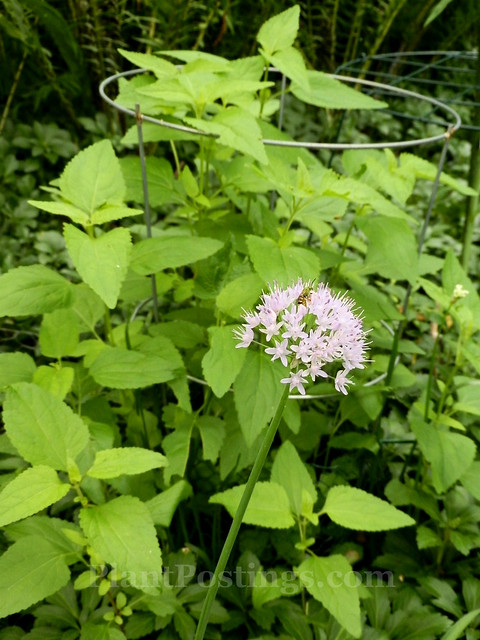
I surrounded the Blue Mistflowers in lava rocks and chicken wire-covered tomato caging, and planted 'Summer Beauty' Alliums around the perimeter. These things seem to be working and soon you won't even see the caging. Fingers crossed.

jewelweed

Oh, I forgot to mention I scattered seeds of Spotted Jewelweed (Impatiens capensis) in various spots around the garden. They really took off! In the spot where the Agastache and the Boltonia were located last year, is now a mound of Jewelweed surrounding a new planting of Purple Coneflower (Echinacea purpurea). I'm thinking this will soon be a popular spot with the hummingbirds. There are Alliums in here somewhere, too.

obelisk

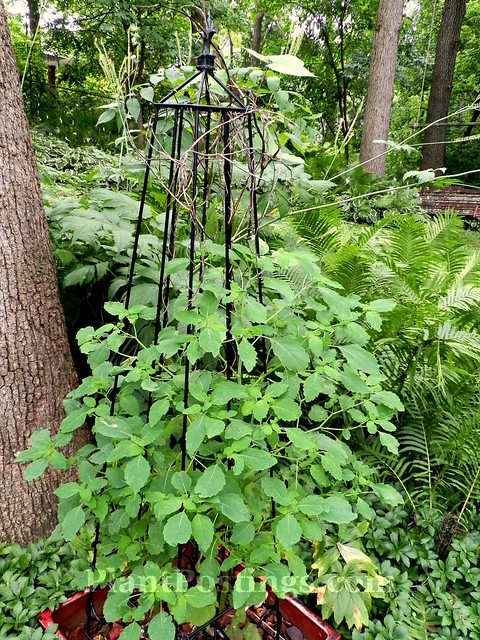
Yes, this is also Jewelweed. It's cuddling the obelisk, at the center of which is a Purple Hyacinth Bean vine, which is about to bloom. I forgot I sprinkled Jewelweed seeds here, too. Surprise!

cornus pumila

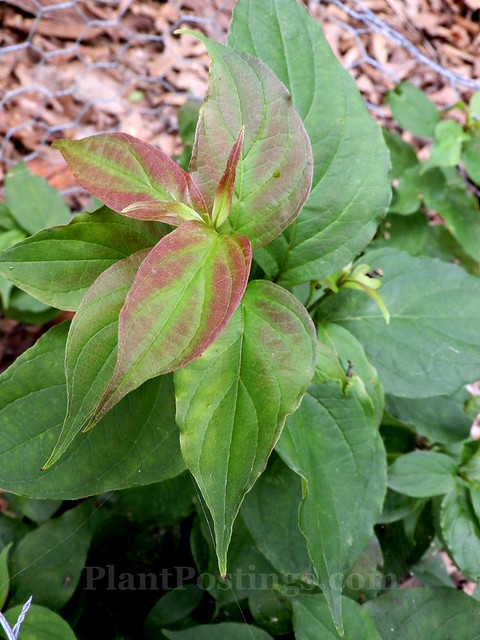
Other victims of the big-eared, large-fanged, plant-killing monsters were the four Dwarf Red-Tipped Dogwood (Cornus pumila) shrubs. Yep, the rabbits chewed them down to the ground during the winter. So, I rolled out more chicken wire, which will remain around the shrubs until they become established. Thankfully, they recovered from the insult.

OK, so most of those areas are under control ... for now. Here's another surprise:

bugs 1

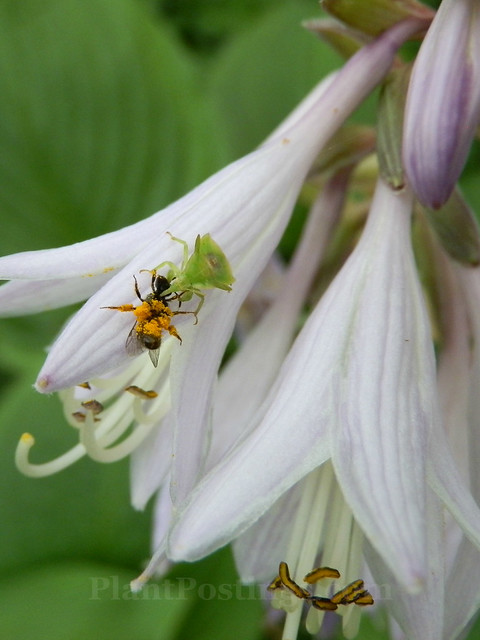
I walked by one of the Hosta flowers the other day and saw this. From a distance it looked like a bit of leaf with a strange pollen-covered bug next to it. On closer examination, I realized the pollen-covered bug was a bumble bee (I think). And with help from a few garden blogger friends (you know who you are...thanks!), I found out the green insect is an Ambush Bug Nymph. A sad, cruel, and yet fascinating natural occurrence.

Quickly shifting the topic...

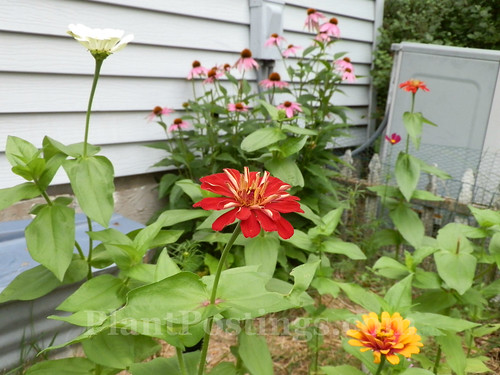
Finally, I'm once again reminded about the rewards of patience. The Zinnias I planted from seed in late winter/early spring are now big and robust and ready for cutting. They'll offer repeat blooms now until October. Yay!

seeded

It's difficult to show a good angle on the cutting garden because it's on a steep hill on the side of the house. But you get the idea here: My only sunny garden is a small patch of land that, when blooming, camouflages (sort of) the window wells, the utility boxes, and the air conditioning unit.

When the Zinnias, Coneflowers, and other sun-lovers are blooming, it's a bright and cheery place full of pollinators.

seed pods

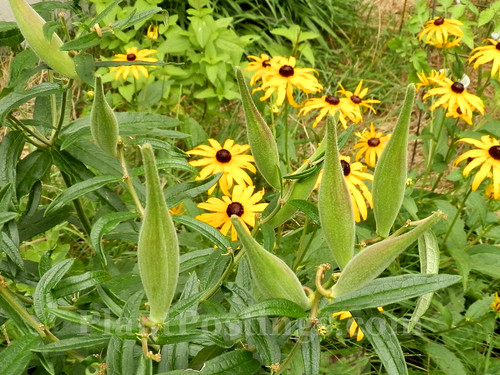
The Butterfly Weed is forming seed pods.

sweat bee

And enough blooms remain to keep the sweat bees full and sassy. Here's a little movie I made to celebrate:


Overall, the disappointments, surprises, and joys have a way of balancing out. And patience (with a few tricks) certainly pays off.

(Oh, and I must say I've tried just about every potion and scare tactic for the rabbits. Each one works temporarily, but in the end the only things that work long-term for me, here in this "rabbit wonderland," are rabbit-repellent plants--not rabbit-resistant ones--and miles of chicken wire.)