Showing posts with label Blue Mistflower. Show all posts

October 06, 2025

A Marriage of Mums and Mistflowers

bouquet 1

I'm cheating this week with my arrangement (as I have with other vases recently) ... for various reasons. Long story short, I had way too many Mums and Blue Mistflowers, so I basically clipped, clipped, clipped and plopped them in a vase with some pebbles in the bottom for a bit of fall vibe.

marriage

It's a marriage of Daisy Mums (likely a Chrysanthemum x. morifolium hybrid) and Blue Mistflowers (Conoclinium coelestinum), and corresponding foliage.

mistflower 1
Conoclinium coelestinum

mistflower 2

mums 1
Chrysanthemum x. morifolium

mums 2

bouquet 2

They're plentiful and fresh, so the vases continue! For more garden arrangements from around the world, head on over to Cathy's blog, Rambling in the Garden, to celebrate "In a Vase on Monday."

September 11, 2025

Pushing Ranges With Nearly Native Plants

nearly native collage

Do you have a rough (or maybe quite organized) plan for your garden? From the start of our time at this property, I've aimed for an informal three-section plan for this garden:
  • Near/around the house: annuals, perennials, potted plants, and vegetables;
  • Middle section: cultivated perennials, both native and non-native; and
  • Back woodland: native trees and plants.

Most of the perennials in the middle and back sections were here when we moved in. Over time, I've tried to incorporate more native plants in all three sections. And while it's nowhere near a devoted native plant garden, it has moved in that direction. In recent years, I've rarely added non-native perennials, with the exception of Alliums (because the rabbits won't eat them) and a few other plants that don't spread much, including Hellebores, a few foundation plants, and some potted plants.

In addition, I've added a few favorites that are nearly native to my area, including:

woodland pinkroot

Woodland Pinkroot (Spigelia marilandica), which is native starting just south of here, from Illinois south to Texas and Florida. It's hardy in USDA zones 5-9. A colorful shade plant (which is rare), it offers midsummer dramatic blooms, and it forms a pleasant ground cover. I cage these plants in a few locations, because the rabbits sometimes eat them.

climbing prairie rose

Climbing Prairie Rose (Rosa setigera) has a similar range. While it's native in the state, its original range started just south of my area, extending further east and northeast, as well as south. It's hardy in USDA zones 5-8. This one is an old-fashioned beauty that climbs up and down the arbor. Though the scent is subtle, it's pleasant, and the blooms last for several weeks in midsummer.

maypop

Purple Passionflower (Passiflora incarnata) also is native from Illinois south through Florida, and areas east and slightly west. It's hardy in USDA zones 5-9. I could study its incredibly unique blooms for hours. I didn't even realize I could overwinter it here until a few years ago. I keep one potted in the sunroom all winter and outdoors on the front porch in the summer. The other plants--which are outdoors all winter--go dormant, then in spring and summer they spread out along a trellis on the western, sunny side of the house.

purple coneflower

Purple Coneflower (Echinacea purpurea), which I've had in my garden from the beginning, is native in most states surrounding Wisconsin, but not technically native here. Other species of Echinacea are more commonly native in Wisconsin. This one is hardy in USDA zones 3-8. It's definitely a standard garden beauty, a great cut flower, and a favorite of the pollinators.

blue mistflower

Finally, Blue Mistflower (Conoclinium coelestinum) is native to states nearly surrounding Wisconsin, and even up into some Canadian provinces north of us. It's hardy in USDA zones 5-10. I have a complicated relationship with this plant. It's a unique, beautiful shade of lilac/pink, and it blooms in late summer/early fall. The blooms are gorgeous and they're wonderful cut flowers. What's interesting is that the rabbits eat Blue Mistflower when it's not protected, but where they can't reach it in a protected area it tends to take over the garden. Apparently, there's no halfway with this plant, in my garden anyway. (But I still love it.)

I'm so pleased that these beauties grace my garden. They're lovely, most are great cut flowers, and they feed the pollinators. And I'm so happy that they have a place here.

*Note: All native ranges are sourced from the Biota of North America Program (BONAP); all hardiness zones are from the Missouri Botanical Garden; they may vary with other sources.

September 08, 2015

Yellow and Blue Special Deliveries

open

Some of the greatest joys of having gardening and blogging friends are scenes like this:


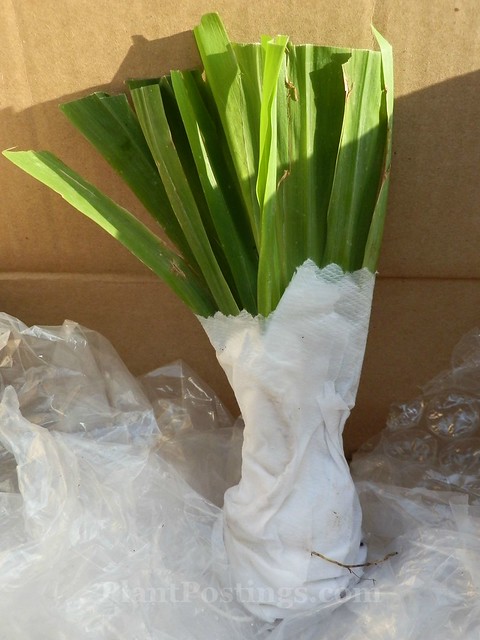
package 1

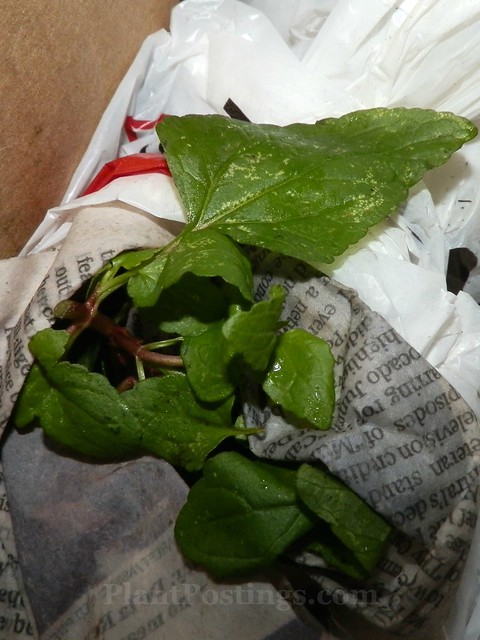
package 2

plant 1

plant 2

When you plant-swap and garden-share, it's as much fun to give as it is to receive, of course. But that exciting day when the plant package arrives is definitely a high point.

Over the years, I've plant-swapped with many friends. In this post, I'm highlighting two plants I received several months ago from generous benefactors. I've watched these plants now for enough time to adequately report on their progress in the garden.
double blooms

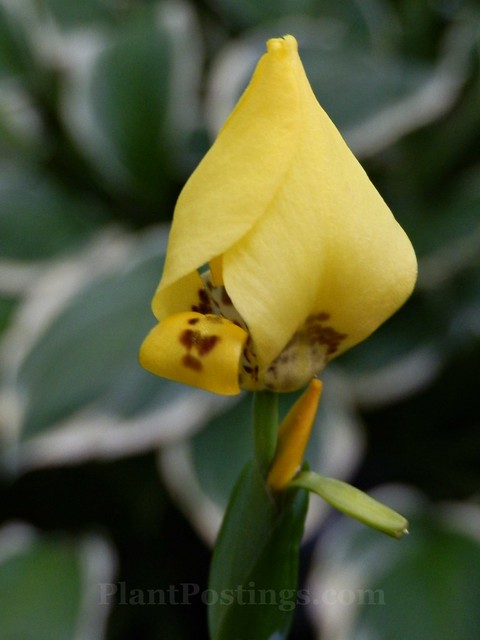
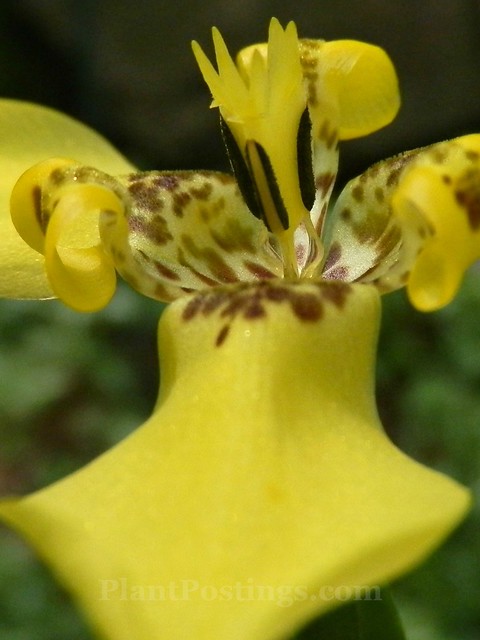
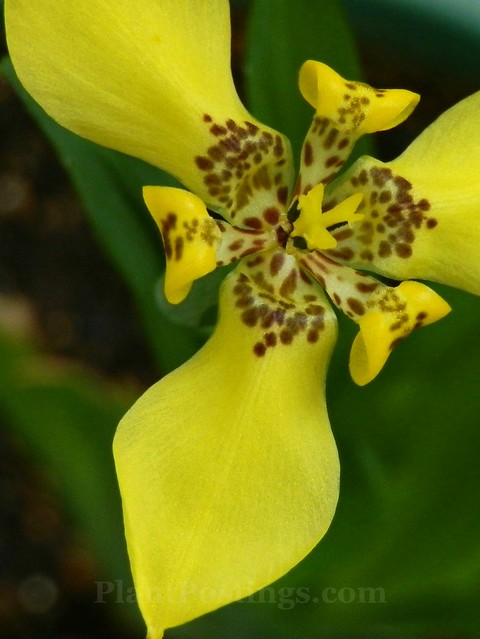
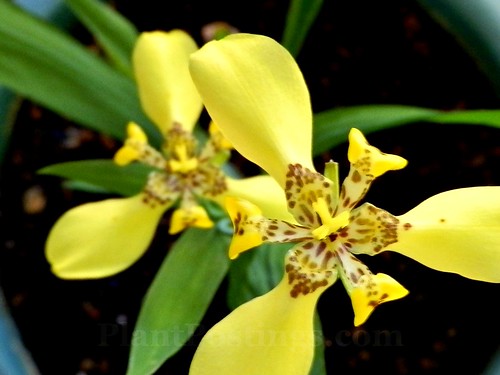
The first plant is a yellow Walking Iris (Neomarica longifolia), a plant native to southeastern Brazil where, according to The Pacific Bulb Society, it grows in light shade in the Atlantic Forest. This plant is hardy to USDA zone 10 (or 8 or 9 in microclimates).
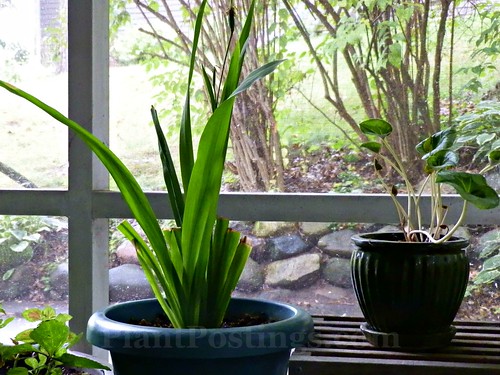
screen porch

It's been very happy this summer on the southeast corner of my screen porch, where it gets bright morning sun and indirect afternoon light.
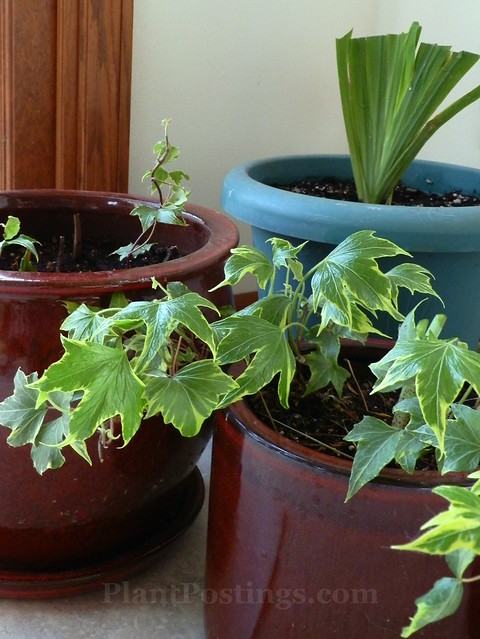
sunroom

I'll bring the Walking Iris into the partially heated sunroom at the first sign of frost. That's where it lived the first few weeks after I received it in early spring.

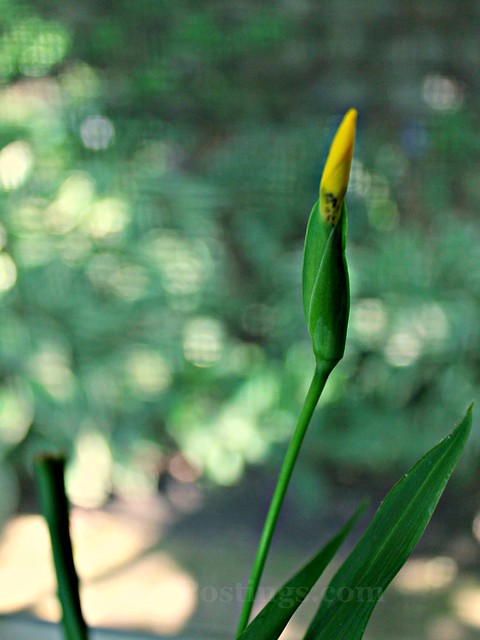
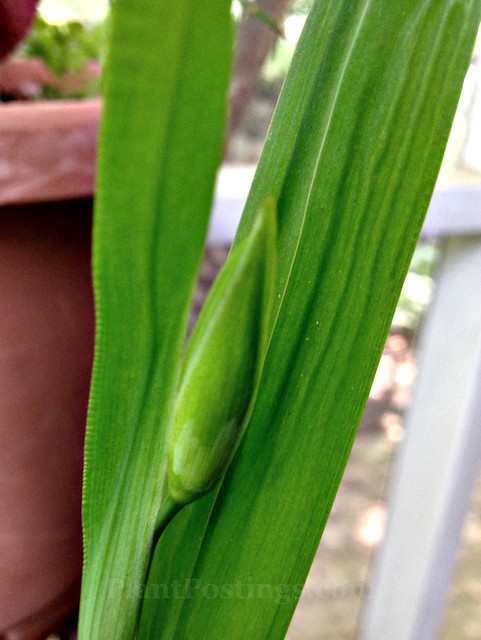
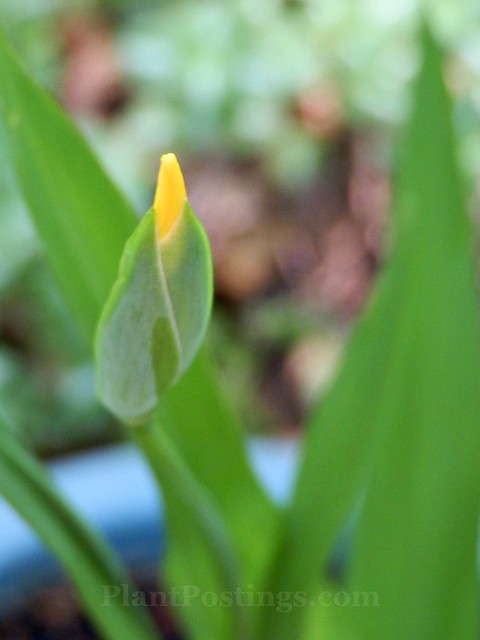
Imagine the excitement of seeing it bud for the first time, and then watching each flower bloom in stages over the course of a few hours.
walking iris (2)

bud

opening 1

opening 2

open details

Each bloom lasts only several hours, so it's easy to miss. Fortunately, the plant puts out new blooms for weeks or months, and then ...
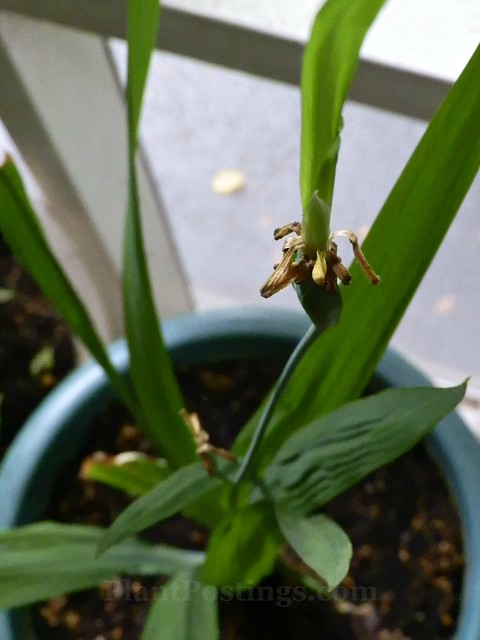
baby plant

Over time, new "baby" plants form from the mother plant, then bend down, and "walk" into the surrounding soil. Hence the name "Walking Iris."
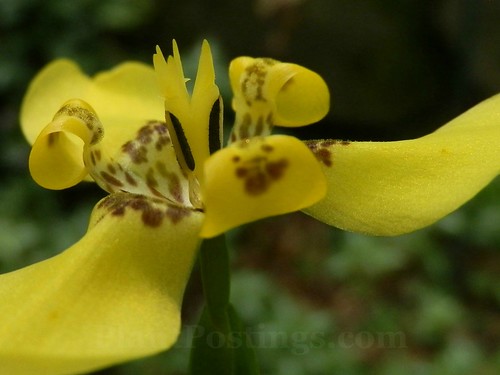
open side

This is a stunning bloomer, and one of the easiest potted plants I've had. It enjoys moist soil and partial shade. The donor of this plant prefers to remain an anonymous benefactor. I am deeply thankful for the gift, which I'll treasure for years to come.
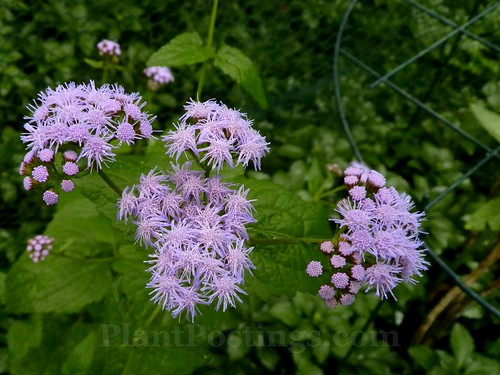
mistflower blooming 2

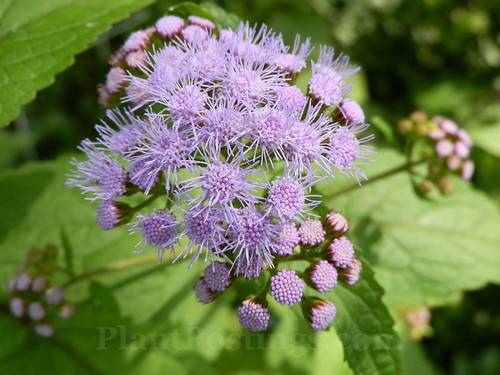
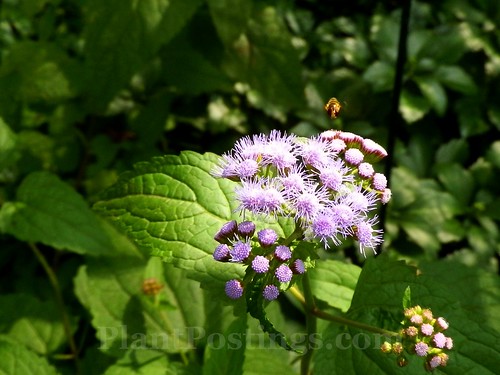
The second plant I'm sharing is Blue Mistflower (Conoclinium coelestinum), which is native to most of eastern and central North America. I purchased several of these plants, and then Tammy at Casa Mariposa helped increase my collection by sending me several starts from her garden.
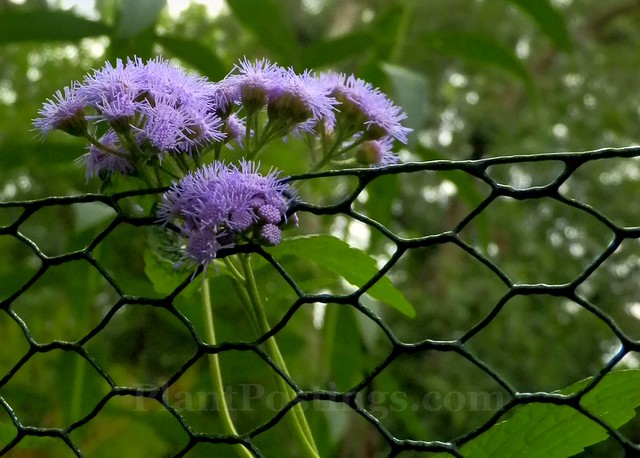
mistflower caged

My vision was to have large drifts of them surrounding my Swamp Milkweed (Asclepias incarnata) patch, but that was before I discovered rabbits will eat Mistflower, along with the Asters and ZigZag Goldenrod I so lovingly planted to provide nectar for butterflies. Mistflower and Goldenrod are listed by many sources as rabbit-resistant. That didn't work in my garden, so I had to put fencing around the area. (Long story. Maybe I'll share it in a future post.)

In any case, if I can keep out the rabbits, the Mistflower will naturalize into a cloud of blue blooms within the next few years. Some sources say it can be a "pest plant," but I don't think that will happen in my garden with all the long-eared "pest animals."
pollinator

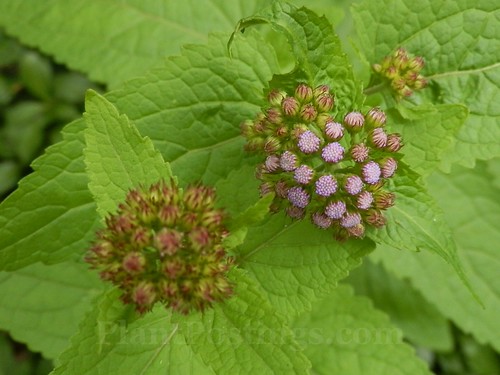
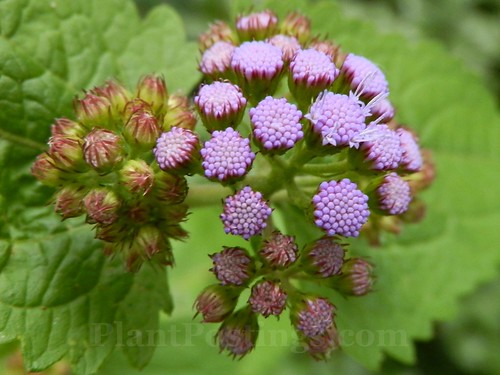
Blue Mistflower grows best in sun and part shade, and prefers moist soil, according to The Lady Bird Johnson Wildflower Center. It's hardy in USDA zones 5 to 10, blooms in midsummer to first frost, and grows to a height of one to three feet.
buds

mistflower stages

misflower blooming 1

This is a lovely plant, and I'm hoping that adding Alliums around the perimeter will help keep the rabbits away. Then maybe I can get rid of the ugly fencing. I'll let you know next year. Thanks to Tammy for sharing some of her lovely Blue Mistflower plants!

Stay tuned for more plant-swapping results to come in the next growing season. Do you plant-swap? Any particularly special plants you've shared with or received from friends?