And most of us want to do our part to save the planet—especially when an organic gardening practice doesn't cost us more, or better yet, costs less.


Here are a few inexpensive techniques that have worked for me:
• Plant Onion sets around the perimeter of the garden. Doing so achieves two objectives: You'll have a ready supply of Scallions and larger Onions throughout the growing season, and the Onions help to repel rabbits. This doesn't eliminate the problem, but it helps.

• Stuff small Onions down mole/vole/chipmunk holes. The critters might try to displace them, but if you're persistent, the Onions will keep them away from your favorite garden plants. Plus, they're biodegradable. I noticed a couple of small holes in my front lawn. I saw a chipmunk plop down into them several times, so I knew he was the guilty party. After plugging the holes with small onions, Mr. Chippy moved on. In the fall, I'll cover the spot with new soil and plant some grass seed.

• Place spiky wire fencing around the edges of potted plants to dissuade critters from digging there. In a previous post, I shared how I used Scallions, Cayenne Pepper, cat litter, and spiky evergreens to repel critters from my planters. All of these things worked temporarily, but the spiky fencing has worked now for a few weeks.

• Apply Corn gluten meal to your lawn in place of lawn fertilizers and herbicides (weed and feed). We get Corn gluten meal from a local agricultural cooperative, and apply it before the weeds emerge in the spring, and again in the fall. You might notice a slightly pungent organic scent for a couple of days, but it dissipates with time and rain. Our lawn was one of the greenest on the block this spring (before the drought). And very few weeds emerged. We pulled those that did by hand, but I've heard vinegar works post-emergence, too.
 |
| Source: Landmark Services Cooperative |
• Plant Peas, Lupines, Beans, or other legumes in your garden to add nitrogen back to the soil. This improves the soil fertility and encourages hearty growth among neighboring plants.

• Plant flowers and vegetables together. Flowers attract pollinators for the vegetables, and the veggies improve the soil for the flowers. Companion planting is a time-tested method of repelling insects and critters and encouraging strong plant growth. Numerous companion planting guides are available on the Web, including a very extensive one on Wikipedia.

• Use untreated grass clippings or Marsh Hay as mulch on your vegetable/flower garden. They break down fast to enrich the soil, and as mulch, they keep weeds under control. While Straw and farm Hay often carry weed seeds, Marsh Hay has fewer seeds. It's now available at many garden centers, and some farmers grow it for sale.

• Place a shallow tub of beer among your plants to attract and drown slugs and earwigs. The tubs have to be refilled every few days and after heavy rain, but if you use cheap beer (the same cheap brand can be used to boil brats), it's not a high price to pay to prevent plant damage.

 |
| The next morning: Sorry, this is gross, but it works. |
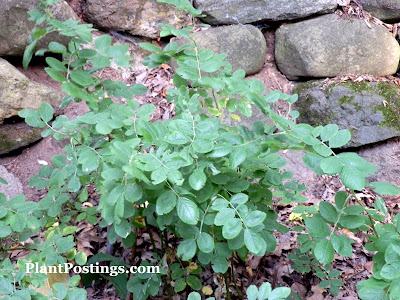
• Locate Roses in a mild, protected microclimate to prevent wind damage and minimize pests and diseases. I don't use systemic insecticides/fungicides on my Roses. I don't have showstopper Roses, and I'm still searching for effective organic treatments that work, but in the meantime growing them in a protected spot seems to help. Some of my Roses grow at the base of a stone wall. The temperature here remains warmer in winter and cooler in summer. Wind damage is minimal. The spot could use a little more sun to encourage blooms, but the Roses are very healthy with no chemical treatment. Because they're not stressed, they're less susceptible to damage from black spot, powdery mildew, and other diseases.

I've tried all these techniques with surprising success. My sources: Organic Gardening magazine, friends' suggestions, and my own trial and error. The goals: to keep my garden as chemical-free as possible and to save money. Once I got into the mode of finding "green" ways to deal with gardening issues, it became a fun, personal challenge. Plus, it's a good excuse to do some shopping (see my related post under the "products" tab).
Please share your favorite "green" (both organic and inexpensive) gardening techniques. I'm always looking for more.
***********
On another topic, I'm truly honored that Helene at Graphicality - UK has bestowed PlantPostings with the Illuminating Blogger Award. Thank you, Helene, and I apologize for taking so long to link here. The Illuminating Blogger Award honors bloggers who provide illuminating, informative blog content. To meet the award's requirements, the rules are simple:
• Visit the award site and leave a comment that you were nominated, and by whom;
• Thank the blogger who nominated you by posting and leaving a link to their blog;
• Share one random thing about yourself in your blog post;
• Select at least five other bloggers to nominate because you enjoy reading their illuminating, informative posts; and
• Inform your nominees, and include a link to the award site: foodstoriesblog.com/illuminating-blogger-award.
OK, one random thing about me (this is the first thing that came to mind): I love Pistachio ice cream.
And it says select "at least five" other bloggers to nominate. So, I pick all the bloggers on my blogroll and my favorites on Blotanical. Congratulations!
Thank you, Helene!


