 |
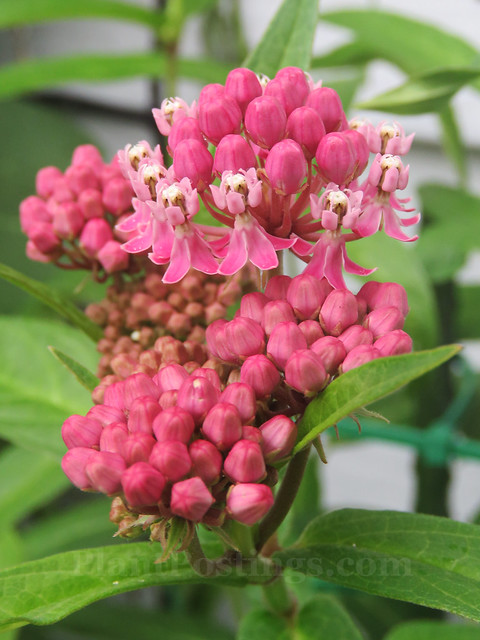
| My Friend Swamp Milkweed (Asclepias incarnata) |
But, sometimes, it’s OK to stretch them or break them. Sometimes it’s OK to set your own rules, when you own the property, the idea, and the consequences. There are many acceptable reasons, but some include greater clarity, no harm to others, innovation, spirit of the rule, individualism. Although, I believe it's always important to be consistent.
I’m not talking about anything terribly earth-shattering here. So please pardon the drama of my opening words. I merely want to share that I try to carefully follow the rules of botanical nomenclature and the horticultural norms of describing gardens and plants.
But sometimes I break the rules—both unintentionally and on purpose.
Regarding the former: My aim is to correctly report the scientific names of plants, using the standardized binomial system. This is something I want to do and
 |
| My Friend Golden Alexander (Zizia aurea) |
Here’s where I break the rules, intentionally, although it’s a struggle: I use initial capital letters for common names of plants. There are several reasons for this:
● This is my blog. I created it. I set the style, and I try to be consistent.
● I think of plants as characters. No, they’re not people, but they are unique old and new “friends.”
● I think of plants as characters. No, they’re not people, but they are unique old and new “friends.”
 |
| My Friend Prairie Rose (Rosa setigera) |
Again, I include the Latin names, but I tend to capitalize even categories of plants. I waffle a little on this one: I apologize for that.
All this to say that I think it’s OK to break the rules sometimes, and I own the consequences of my actions. Thanks for your patience, humor, and acceptance of my human foibles!
Do you ever break the rules?
All this to say that I think it’s OK to break the rules sometimes, and I own the consequences of my actions. Thanks for your patience, humor, and acceptance of my human foibles!
Do you ever break the rules?

It depends upon the rule...Gardening rules are so easy to break!
ReplyDeleteVery true, Gail. Very true. The "play" and experimentation aspects of gardening contribute to the joy of it.
DeleteYes, I def break the rules. I like that you made up your own rules, and stick to them! A good way to go :)
ReplyDeleteThanks for your support and camaraderie. I've thought about explaining the personal "style" thing for a while, so it just seemed a good time to do it. :)
DeleteI use a similar system when I write about plants as yours. I agree that a plant is a proper noun, so I treat it as such in my posts. I found that when I'm replying to a comment, I get lazy and go all casual and lower case. Not sure why that is, but I'm fairly consistent there, too. :) Good post, Beth. I especially like that one of your reasons is that this is your blog, your take on gardening, and that's as it should be. Tina
ReplyDeleteHey Tina: Oh, yes, I know what you mean about the comments: I get lazy and inconsistent with them. Every once in a while, I notice a misspelling or a typo, but it's too late...the comment is already sent. Ack, please forgive me for that, too. LOL. (And we seem to have similar visions about "style" for writing and naturalistic gardening.)
DeleteI think you can break all the rules and call plants whatever you like, as long as you include the correct botanical name as well. I am often baffled by the peculiar vernacular plant names on American blogs, very often these names are unknown in the UK.
ReplyDeleteHi Chloris: I totally agree that we need to make sure we're talking about the same plants. :) So including the Latin botanical names is very important. I try to do it with all my blog posts, unless I'm doing a Wordless Wednesday or not listing all the plants shown in the photos. As for the peculiar vernacular...so true. LOL.
DeleteI say "go for it, Beth!" (I'm a relic of countercultural times). In our South Dakota plant guide, we use capitalized first letters for common names. So does Minnesota DNR in theirs. Also, scientific names are not as stable as they used to be, which can be very frustrating. In some cases, common names have become the anchor!
ReplyDeleteThanks for your vote of confidence, Hollis! Good to know that professional guides sometimes follow these practices, too. I know that Robin Wall Kimmerer, one of my favorite writers, does this, too. And it simply makes sense to me. I've never written about it on the blog before, but it seemed like a good discussion. Re: the scientific names...yes, while I am tyring to keep up, it's harder to remember and stay current with them. ;-)
DeleteI appreciate all that you do Beth, I am not looking for perfection. I like learning from you.
ReplyDeleteThank you!!
Carla
That's a kind comment, Carla. I'm learning so much from you, too. It's fun to compare gardening knowledge and ideas with all garden communicators. :)
DeleteThat's one thing I struggle with is consistency from post to post - whether I use one word, two words, or hyphenate for some of the compound words - aboveground and Douglasfir come to mind. Or, whether I use the same writing style or tone, or whether I put the common name first and the scientific name in parentheses or something else... In the end, I decided not to worry about it so much. My moods and thoughts are in constant flux and my writing style is highly dependent on both. If someone is that nitpicky about the the details, they probably are missing the larger story that I am trying to convey. We all make mistakes, none of us are 100% consistent. But, all of us enjoy gardening and that is good enough for me! I come here for your garden adventures - no need to impress me as a reader. Just do what comes naturally!
ReplyDeleteHi Jerry: Oh, I can certainly relate to all you've said here. And then I try to remember how I've handled certain compound words and hyphenation, etc., in the past so I can do it the same way, consistently. I always have to think about bumblebee vs. bumble bee. All of us enjoy gardening, indeed! Thanks for comparing notes!
DeleteI wrote a whole book about rule breaking! (Fearless Gardening: Be Bold, Break the Rules, and Grow What You Love)
ReplyDeleteAmen, Loree! That's one of the great things about gardening: Experimenting and breaking the rules are part of the plan, right? :)
Delete